
Computational Design
MSCD | PhD-CD
The Computational Design (CD) program investigates creative opportunities and critical issues at the nexus of design and computation. Fundamentally interdisciplinary, it mobilizes Carnegie Mellon University's computational strengths critically towards design, architecture, and other creative disciplines.
Jump To...
Associate Professor, CD Track Chair, CodeLab Director & Associate Dean for Faculty and Graduate Affairs

Program Overview
With a shared emphasis on critical technical practice, faculty and students in the program draw from fields including computer science, robotics, human-machine interaction, machine learning, art, and science and technology studies to illuminate emerging potentials as well as unforeseen consequences of new technologies in design. The program examines topics including robotically-supported construction, machine learning- and AI-based approaches to design generation and analysis, tangible interaction, shape grammars, responsive environments, digital heritage, computational urban studies, as well as historical and ethnographic investigations into design technologies and technologically-mediated design practices. The program's research and creative works are frequently discussed, published, and exhibited in leading national and international venues. Inherently interdisciplinary, the program invites students to forge unique curricular paths, closely interacting with field-defining researchers, educators, and mentors in the program and across the university.
The program offers Master of Science (M.S.) and Doctor of Philosophy (Ph.D.) degrees, and is well suited to highly inquisitive applicants with technical, creative, and/or critical backgrounds who are motivated to challenge disciplinary boundaries; develop a unique research agenda; and explore the intersection of computation and design with creativity, technical rigor, and critical depth.
Master of Science in Computational Design
The Master of Science in Computational Design (MSCD) is a two-year, research-focused program that prepares students for leading industry positions and advanced studies in the broad field of computational design.
Students in the program develop technical and conceptual skills to: 1) formulate and develop technologies that reimagine material, sociotechnical, and/or environmental relations in design; 2) approach digital systems and human-machine encounters as sites for both creative exploration and critical inquiry; and 3) produce a thesis that documents a substantial work of research and a novel contribution to knowledge in the field of computational design.
The program's curriculum is structured around a lean sequence of research seminars that build cohesive cohorts; explore the field's technical, conceptual, and historical underpinnings; and introduce a variety of approaches to research in the field. Selective courses, special topics seminars, and faculty-led independent studies and research groups delve deeper into technical and critical issues and help instigate the development of unique theses. With guidance from faculty advisors, students define a sequence of courses providing a solid technical understanding of computational concepts and techniques. The precise choice and sequence is based on each student's prior skill level and their research orientation. In addition, a vast pool of eligible extra departmental courses give students the opportunity to enrich their methodological and conceptual toolkits further. During the second year, students form advisory committees and develop their theses. Theses in the program are of publishable, or close to publishable, quality. They rigorously document the definition, prototyping, and critical interrogation of design-technological systems, and/or their histories and the communities they support.
The program's typical duration is four semesters. In order to graduate, students must complete a minimum of 147 units of coursework, including a 36-unit thesis. Proficient candidates with prior relevant experience may be considered for advanced standing, subject to approval of the faculty committee upon admission based on a proposed plan of study. In all cases, full-time registration must be maintained for the first three semesters.
Doctor of Philosophy in Computational Design
The Doctor of Philosophy in Computational Design (PhD-CD) prepares students for careers as leading educators, scholars, and researchers in academia and industry. The program offers students the opportunity to conduct research that explores computational design questions in greater technical and critical depth, resulting in novel and original contributions to knowledge in the field.
Students work closely with their advisors throughout all stages of the program. Advisors are responsible for supervising and offering guidance, including working with students in the formulation of an individual plan of study that supports both technical and conceptual elements of the student's chosen area of concentration. Advisory committees in the PhD-CD program must be chaired by a CD core faculty member and must include one external member. External advisors might be at a different Carnegie Mellon University department, at a different institution, or in industry. Faculty currently serving as Ph.D. advisors in the program include professors Joshua D. Bard, Daragh Byrne, Daniel Cardoso Llach, and Vernelle A. A. Noel. Prospective applicants are encouraged to familiarize themselves with the work of the program and with individual advisors' recent and ongoing research.
Students' doctoral path in CD is punctuated by four milestones. The first is the presentation of a game plan that specifies the student's area of concentration within the program and a scope of work within that area comprising both a plan of studies and research activities, as well as an advisory committee. The second milestone, usually completed after fulfilling course requirements, is a written and oral examination that gives students the opportunity to demonstrate their command over technical and conceptual aspects of their area of concentration, and their ability to formulate an original research project. The third is the public presentation of their dissertation proposal, a document detailing the dissertation's conceptual, technical, and methodological components, arguing for its relevance to the field of computational design, and demonstrating its viability by documenting completed and ongoing research activities. The final milestone is the public defense of their doctoral dissertation. A doctoral dissertation in CD must be a rigorous, significant, and novel contribution to knowledge in the field. It must be grounded on a deep understanding of the state of the art in the field and their specific area of concentration, as well as a critical awareness of the broader contexts of the research.
Image
| Image
|
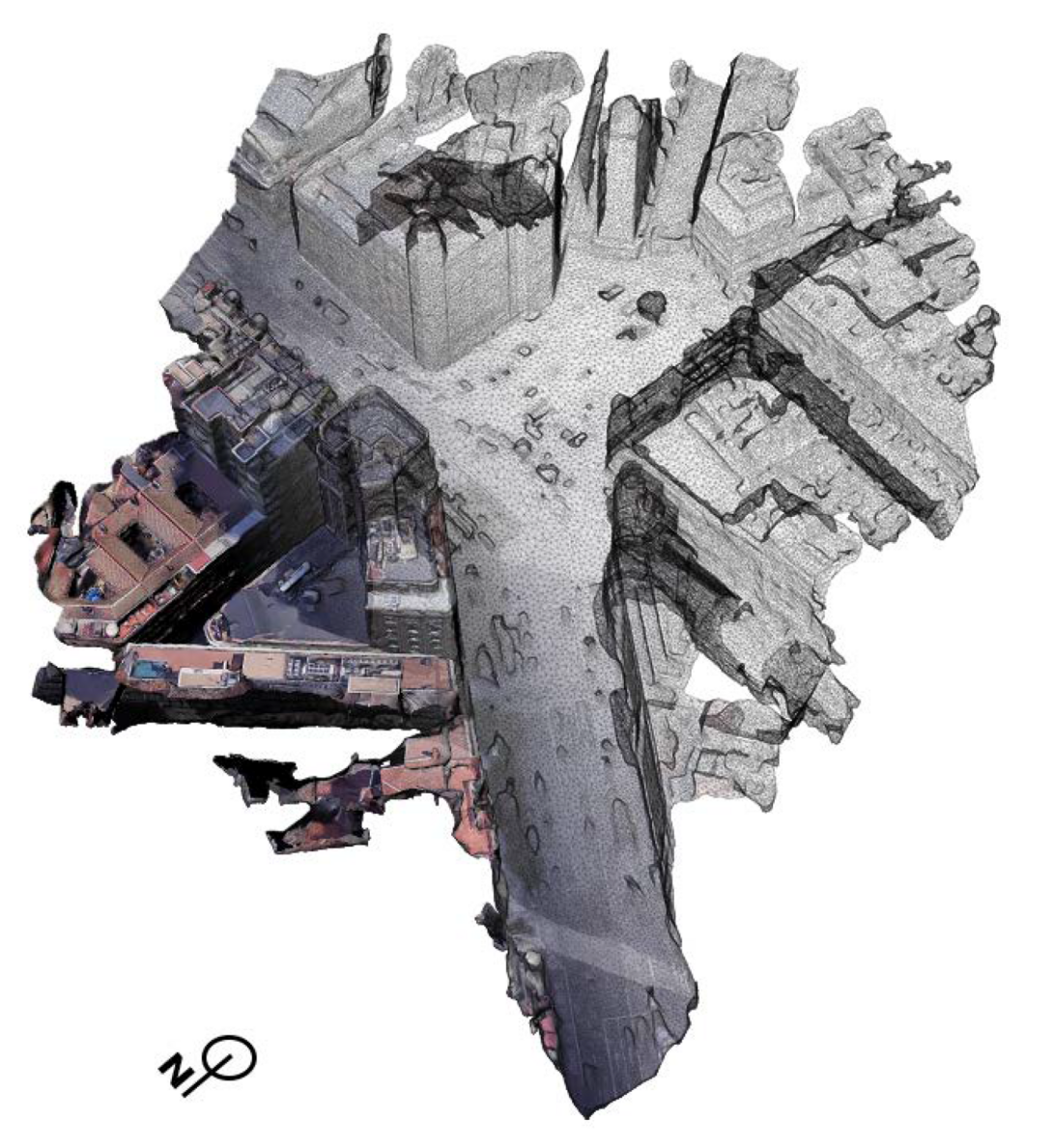
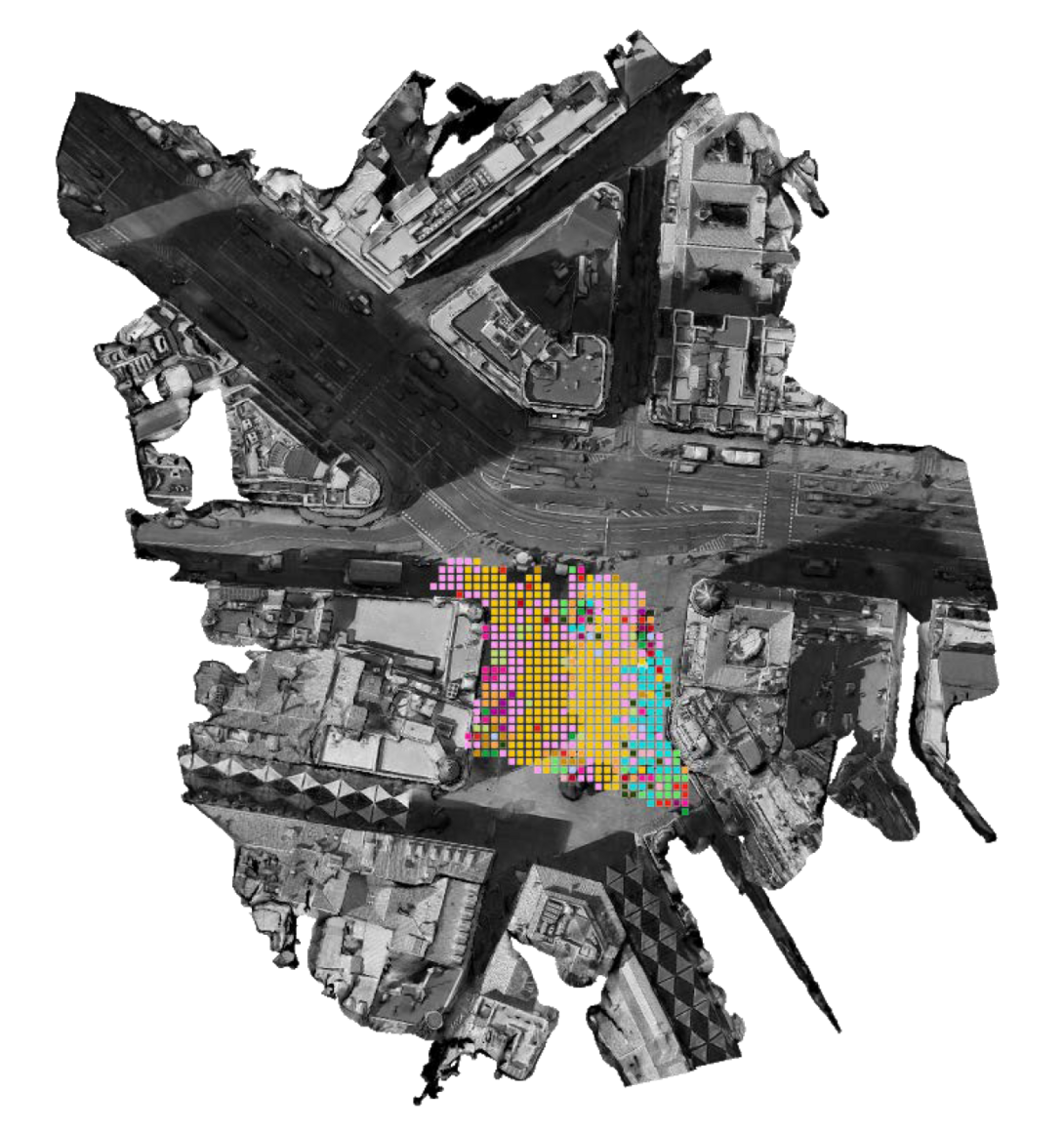
^ A Data Informed Workflow in Design for Architecture and Urbanism. Javier Argota Sánchez-Vaquerizo, MSCD 2018
About the Program
The highly selective Computational Design graduate program at Carnegie Mellon University is a trailblazer in computational design research and pedagogy. With origins in the late 1960s, it is one of the earliest programs of its kind. Its pioneering focus on applications of computational representation and symbolic AI to design has evolved into a broader inquiry into computational modes of design interaction, materiality and intelligence, and a sensitivity towards the cultural, material, and historical specificity of computational media in design. Today, the Computational Design program adopts a broad view of computation as a vehicle of design inquiry, as a key technical scaffolding for applied and speculative design research, and as a worthy subject of scholarly analysis and debate.
More than mere instruments, computational methods and ideas — including those linked to recent developments in machine learning/AI, virtual and augmented reality, and robotics — configure new technical infrastructures and imaginaries. Shaping contemporary spaces, artifacts, materials and labors, these also configure new conceptions of design and creativity. Embracing this complex context, the Computational Design program works to develop new knowledge that harnesses computational ideas and methods towards humane, ecological, and creative environments, and that reimagines the interplay of the technological, the social, and the material in design.
Image
| Image
|
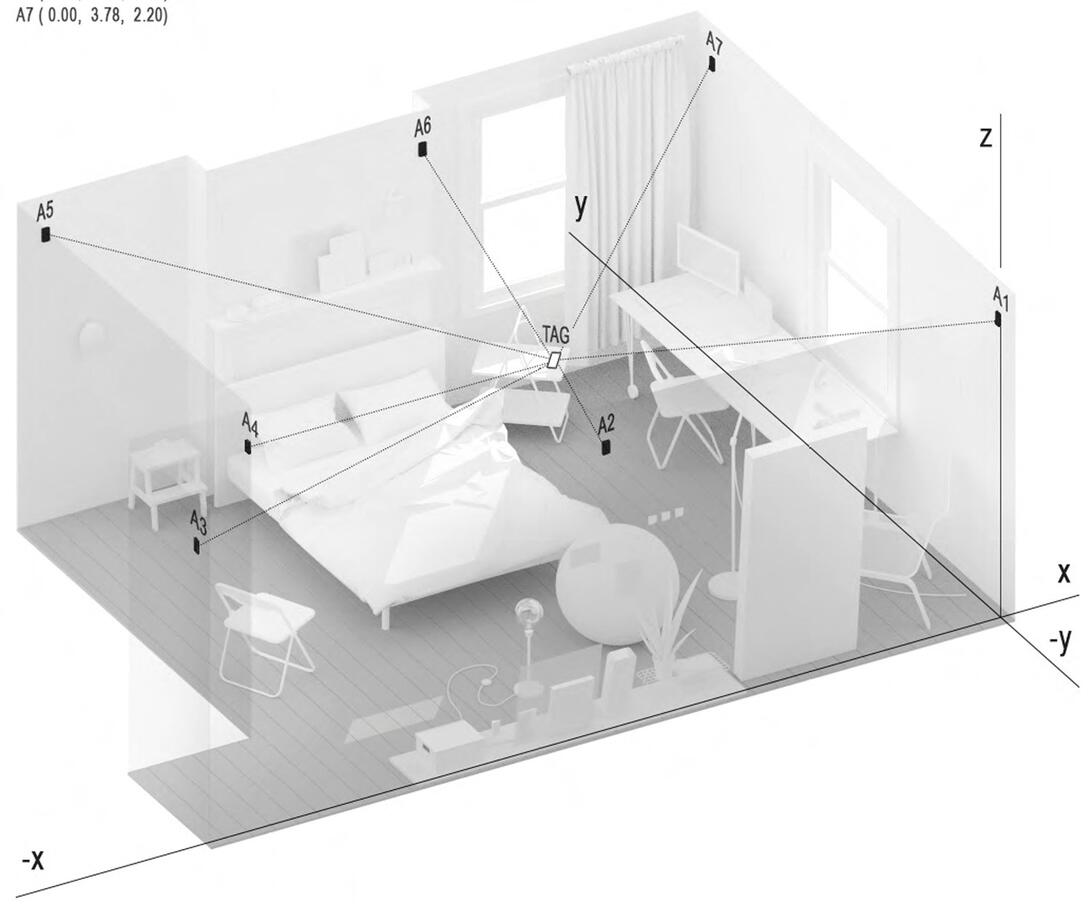
^ Interfacing the Multiplexer Room: Speculative Spatio-Mediated Assemblages for the Digitally Interfered Home. Policarpo Del Canto Baquera, MSCD 2021
Resources
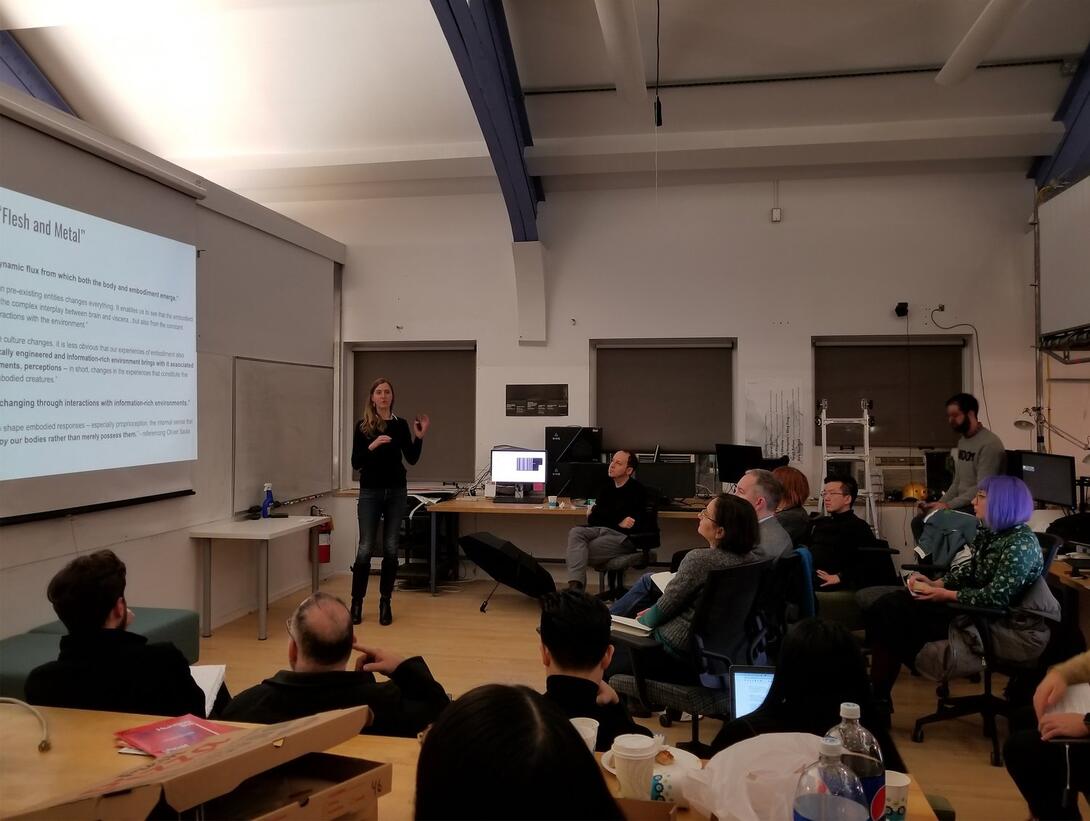
Computational Design students occupy the Computational Design Laboratory (CODE Lab), a double-height space located on the fourth floor of the Margaret Morrison Carnegie Hall building with two adjacent suites. In addition to workspaces and an area for presentations and collaborative work, the lab also houses a fabrication space equipped with a variety of tools to support research, including desktop digital and hand fabrication tools and an electronics workbench, as well as dedicated terminals for specialized data and graphics processing and virtual/augmented reality research.
In addition, CD students have access to many other world-class laboratories and facilities at the school and Carnegie Mellon University, including the Design Fabrication Laboratory (dFAB) and Applied Architectural Robotics Laboratory. Students often participate in research and learning activities at other labs including the Frank-Ratchye STUDIO for Creative Inquiry, the College of Fine Arts' research hub, and the Manufacturing Futures Institute at Mill 19, among others.
Extracurricular activities including yearly lecture series and workshops by leading computational design scholars and practitioners further enrich the program, fostering a vibrant atmosphere of research, learning and creativity.
Recent Alumni
Recent PhD-CD Alumni
Ardavan Bidgoli, PhD-CD '23 — Computational Design Lead, Higharc; Co-Founder, Flumio
Madeline Gannon, PhD-CD '21 — NVIDIA; Founder-Principal, ATON-ATON
Jinmo Rhee, PhD-CD '24 — Assistant Professor of Architecture, U. of Calgary, Canada
Pedro Veloso, PhD-CD '23 — Assistant Professor of Architecture, U. of Arkansas
Recent MSCD Alumni
Michael Hasey, MSCD '23 — Computational Designer, Samsung Research, San Francisco
Anna Henson, MSCD '21 — Assistant Professor of Practice in Emerging Media Arts, U. of Nebraska, Lincoln
Chloe Hong, MSCD '23 — Ph.D. Candidate, MIT Architecture, Cambridge, MA
Rungchang Kang, MSCD '21 — Research Engineer, Sensing and ML, Apple AI/ML
Malika Khurana, MSCD '22 — Multimedia and Graphics Editor, The New York Times, New York, NY
Yi-Chin Lee, MSCD '19 — Ph.D. Candidate in Architecture, U. of Michigan
Vincent Mai, MSCD '20 — Studio Design Computation Leader, NBBJ, New York, NY
Willa Yang, MSCD '21 — Ph.D. Candidate in Computer Science, U. of Chicago
Program Faculty

Associate Professor & Associate Head for Design Research

Associate Teaching Professor & Lead of CFA Working Group on AI
Associate Professor, CD Track Chair, CodeLab Director & Associate Dean for Faculty and Graduate Affairs
Special Faculty

Professor & MSRSD Track Chair

Special Faculty in Architectural Design & Assistant M.Arch Track Chair

Professor & Head

University Professor

Associate Professor & Situated Computation + Design Lab Director
Adjunct Faculty & Laboratory for Cybernetics Director
Admissions Resources
Are you a current student looking for resources? Handbooks, procedures, and other information can be found on the Student Resources page.