Computational Design Laboratory (CodeLab)
Jump To...
CodeLab is a research and learning laboratory rethinking the role of computing in design and the built environment, and the home of CM-A’s graduate program in Computational Design. Fundamentally curious, interdisciplinary, and experimental, CodeLab faculty and students bring together methods from architecture, engineering, art, and the humanities to critically reimagine the future of design.
CodeLab operates as a “lab of labs” with affiliated faculty leading research groups and labs with autonomy, an experimental disposition, and a shared emphasis on critical technical practice. Faculty and students explore subjects including architectural robotics, artificial intelligence, digital heritage, generative fabrication, computational structural design, tangible interaction, as well as historical and sociotechnical questions concerning computing in architecture and design.
The CodeLab community comprises about 35 graduate students in the Master of Science and PhD programs in Computational Design, six full time associated faculty, and a similar number of visiting scholars, special faculty, and external affiliates.
Featured Publications
Critical Computational Relations in Design, Architecture and the Built Environment
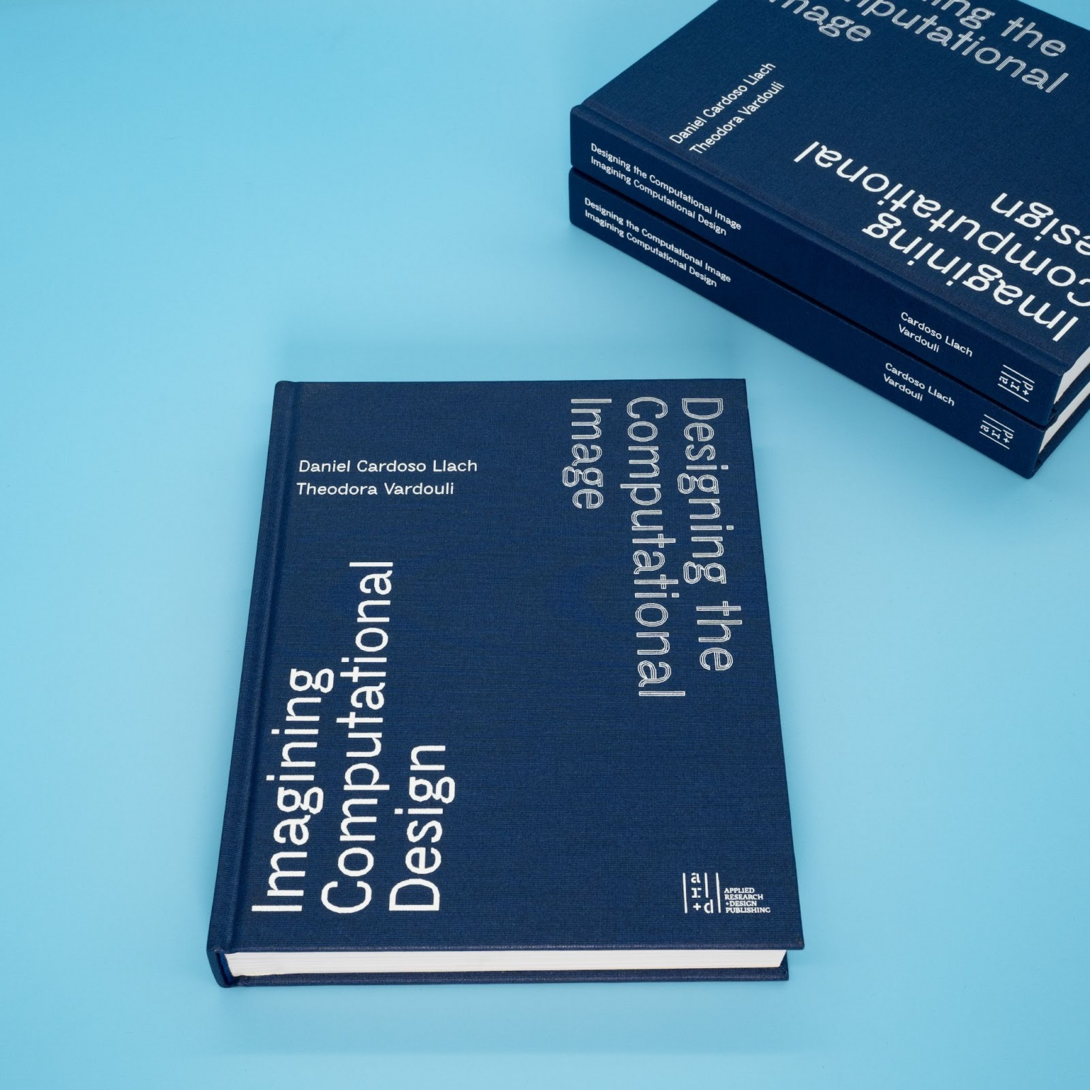
Designing the Computational Image, Imagining Computational Design
Labs
Rather than a traditional lab, CodeLab operates as a “lab of labs” with affiliated faculty leading research groups and labs with autonomy, an experimental disposition, and a shared emphasis on critical technical practice.
- Regenerative Structures Laboratory - Directed by Prof. Juney Lee
- Situated Computations Laboratory - Directed by Prof. Vernelle Noel
- Laboratory for Cybernetics - Directed by Dr. Paul Pangaro
- Embodied Computations Laboratory - Directed by Prof. Dina El Zanfaly
Selected Projects
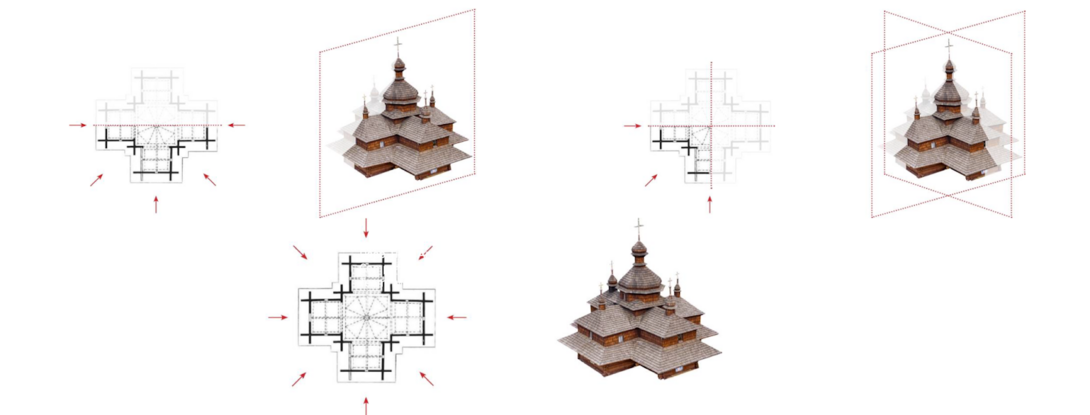
Deep Time Architectural Data
This project investigates new paths for architectural and spatial documentation employing recent computational methodologies including photogrammetry, drone photography, computer vision/3-D reconstruction, digital twins, and deep learning. The project focuses on digitally documenting a selection of wooden folk churches dating back to the period between the 17th and 19th centuries in the central Carpathian region of Eastern Europe, and on analyzing them using deep learning techniques. The team documents spaces and buildings in the Pittsburgh area to gain familiarity with technical frameworks for spatial capture, examine the state of the art, and develop their own projects, experiments, or case studies on digital architectural capture methods.
Robotic Finishing of Hardset Materials
This research team develops novel approaches to the robotic shaping of hardset materials (any material that is workable before hardening to its final form e.g. concrete, plaster, bio-composites). We focus on manufacture of facade panels with complex surface geometries without the use of dedicated molds. This hybrid construction method combines material deposition with tooled post-processing to achieve high-resolution surface definition. The process entails automated delivery of material for selective deposition of panel geometry, and tooled shaping of rough and finish layers for the physical production of computationally generated forms. The goal of this research project is to accelerate the design and development of complex material building systems combining additive manufacturing with robotic post-processing for industry use.
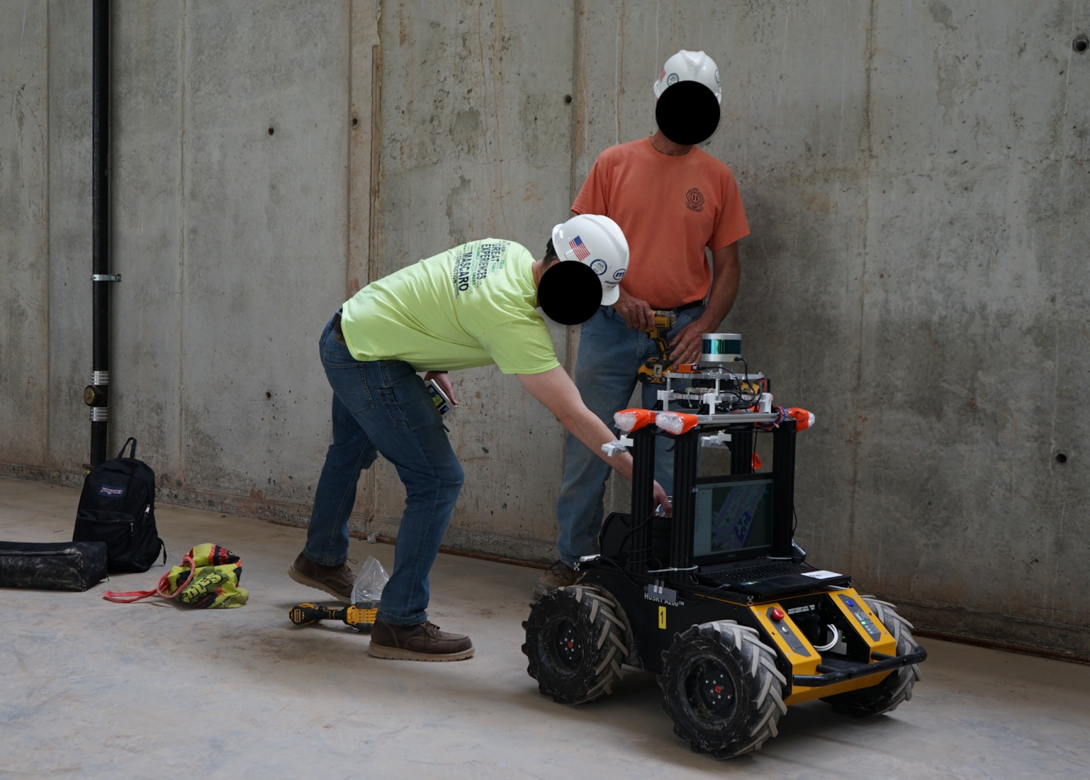
Rethinking Automation in Construction
ReAC is a research group at Carnegie Mellon’s Computational Design Laboratory investigating new ways of combining artificial intelligence, robotics, and qualitative research methods to support building construction activities. The group’s aim is to advance a humane vision for automation in construction where machines are designed to adaptively support rather than replace or disrupt the work of construction workers. Through qualitative engagements with workers in construction sites and modular factories, and technical research into reinforcement learning and robotics, the group creates “robot in the loop” systems that enhance and interact safely and adaptively with on-site activities. The group comprises faculty, graduate, and undergraduate students in the schools of Architecture, Mechanical Engineering, and the Robotics Institute at Carnegie Mellon University.
Experimental Archaeologies of CAD
Computer-aided design systems are cultural artifacts which have re-structured the intellectual labors, and lived experiences, of architects, engineers, and other designers. The Experimental Archaeology of CAD project explores these systems through an innovative methodological repertoire combining historical research with software reconstruction, emulation, and speculation. With these, the project illuminates conceptual, visual, and sensual aspects of these systems — and instigates new ideas to re-imagine their future.
Computational Design Graduate Program
CodeLab is the home of CMA’s Computational Design (CD) program. This program investigates creative opportunities and critical issues at the nexus of design and computation, and mobilizes Carnegie Mellon University’s computational strengths critically towards design, architecture, and other creative disciplines.
Visit CM-A’s Computational Design Graduate Program’s page
Collaborate
Get in touch
CodeLab faculty collaborates with students and faculty across the CMU campus. Please use the directory below to contact affiliates, or send an email to Prof. Daniel Cardoso Llach (dcardoso@cmu.edu), the lab’s faculty contact, to initiate a conversation.
Faculty Grants
CM-A Computational Design program (CD) including those in the tenure, teaching, and special faculty tracks are eligible to apply. CM-A faculty members outside of CD are warmly invited to apply as co-applicants with a CD faculty member. Joint projects and collaborations between CD faculty and faculty in other CM-A programs—and in other university units—are especially encouraged.
People
Core Faculty

Associate Professor & Associate Head for Design Research

Associate Teaching Professor & Lead of CFA Working Group on AI

Associate Professor, CD Track Chair, CodeLab Director & Associate Dean for Faculty and Graduate Affairs

Professor & Head
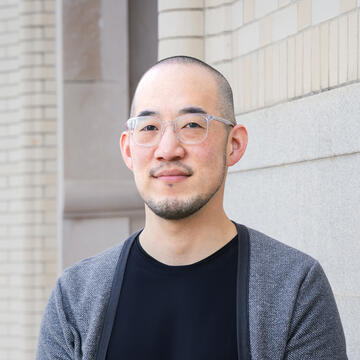
T. David Fitz-Gibbon Assistant Professor of Architecture & Regenerative Structures Laboratory Director

Associate Professor & Situated Computation + Design Lab Director
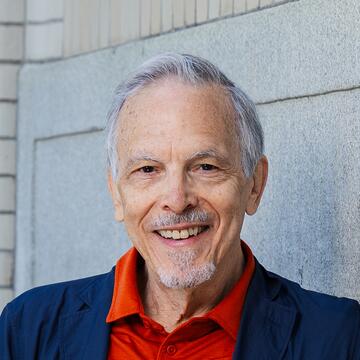
Adjunct Faculty & Laboratory for Cybernetics Director
PhD Students
- Zhenfang Chen
- Sohyun Jin
- Jihyun Kim
- Myles Sampson
- Stella Shen
- Jiaying Wei
MS Students
Visiting scholars and faculty
Current
- Jimmy Wei-Chun Cheng (2024-)
- Paul Pangaro (2022-)
- Neil Lucas Hitch (2024-)
Past
- Ensar Temizel (2023-2024)
- Jordan Geiger (2021-2022)
- Noreen Saeed (S2022)
- Kiriaky Goti (2020-21)
- Mine Ozkar (2018-19)
- Javier Argota Sánchez-Vaquerizo (2018-19)
CMU collaborators and affiliates
- Golan Levin (Art)
- Dina El-Zanfaly (Design)
- Daniel Rosenberg (Design)
- Lawrence Shea (Drama)
- Chris McComb (Engineering)
- Jean Oh (RI)
- Red Whittaker (RI)
- Eunsu Kang (ML)
- Sarah Fox (HCII)
- Nikolas Martelaro (HCII)
- Alexandra Ion (HCII)
- Mayank Goel (S3D, HCII)
- Thomas Corbett (ETC, IDeATe)