
Making Alive: Reworlding Cities!
In March 2026, the Remaking Cities Institute convened the three-day symposium Making Alive! Reworlding Cities: Decommodified · Regenerative · Pluriversal across multiple sites in Pittsburgh. Chaired and organized by Stefan Gruber, Sarosh Anklesaria, and Tuliza Sindi, the gathering brought together scholars, designers, activists, students, and community partners to ask a timely question: what might it mean to make cities alive? Moving beyond urban models organized around extraction, speculation, and endless growth, the symposium explored cities as living constellations of relationships—between people, institutions, ecologies, materials, and forms of knowledge.
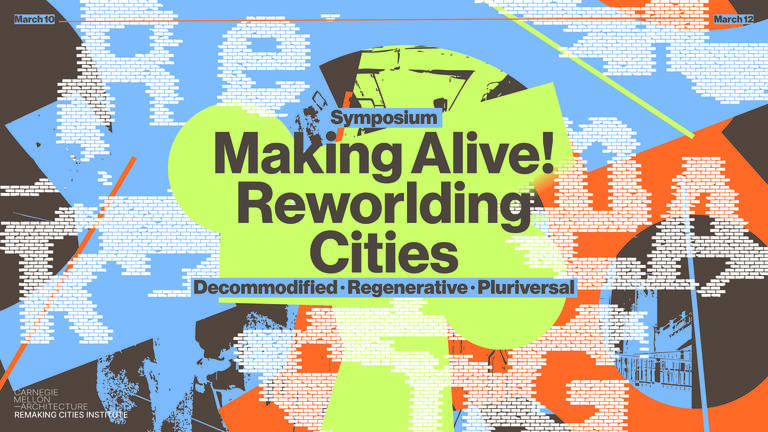
Making Alive! Reworling Cities
In March 2026, RCI convened the three-day symposium across sites in Pittsburgh, bringing together scholars, designers, activists, and community partners to rethink how cities can move from extraction toward stewardship, regeneration, and collective care. Structured through four lenses—ownership, infrastructure, metabolism, and agency—the program tested these ideas against concrete urban conditions.
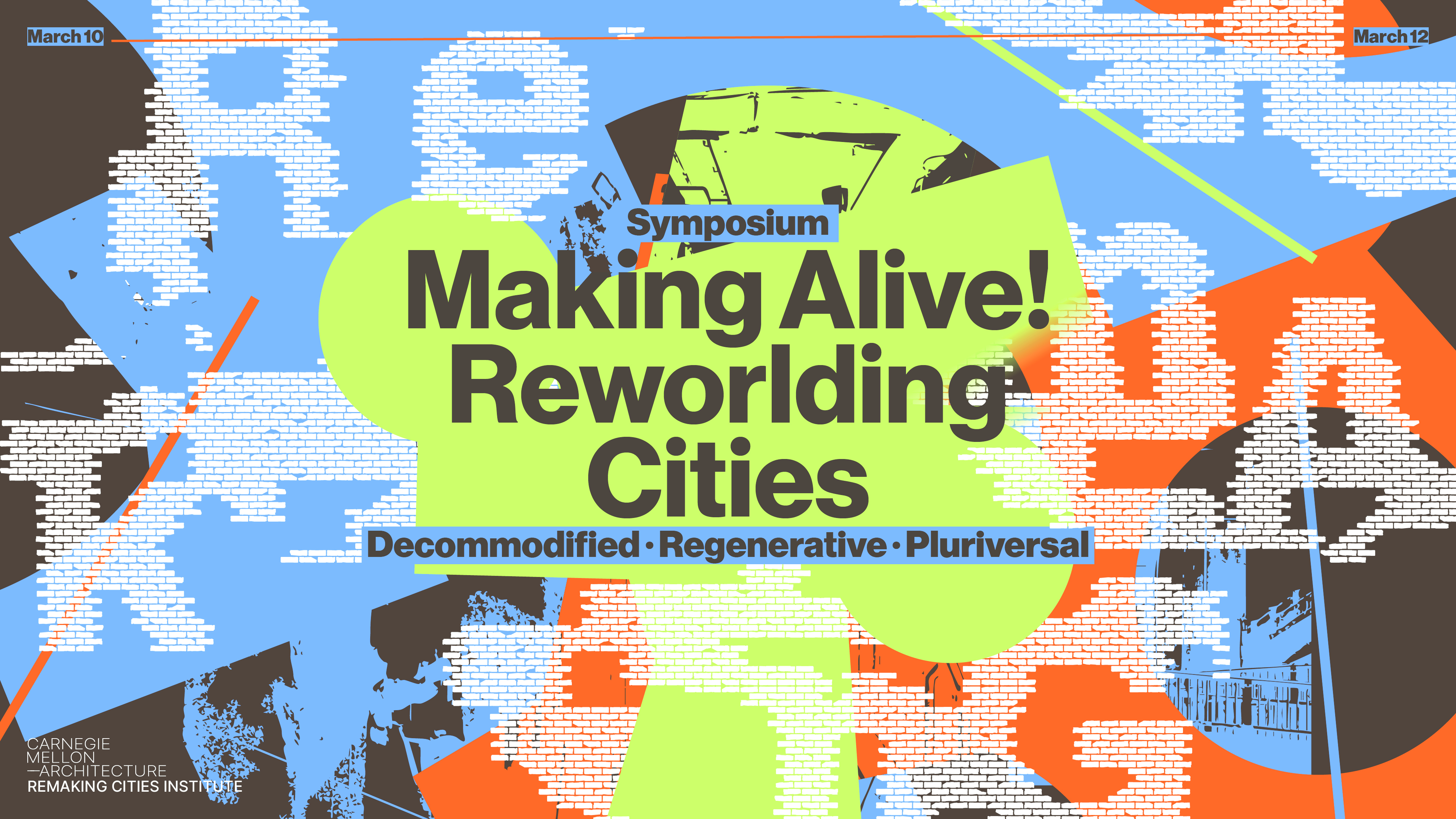
In March 2026, RCI convened the three-day symposium across sites in Pittsburgh, bringing together scholars, designers, activists, and community partners to rethink how cities can move from extraction toward stewardship, regeneration, and collective care. Structured through four lenses—ownership, infrastructure, metabolism, and agency—the program tested these ideas against concrete urban conditions.
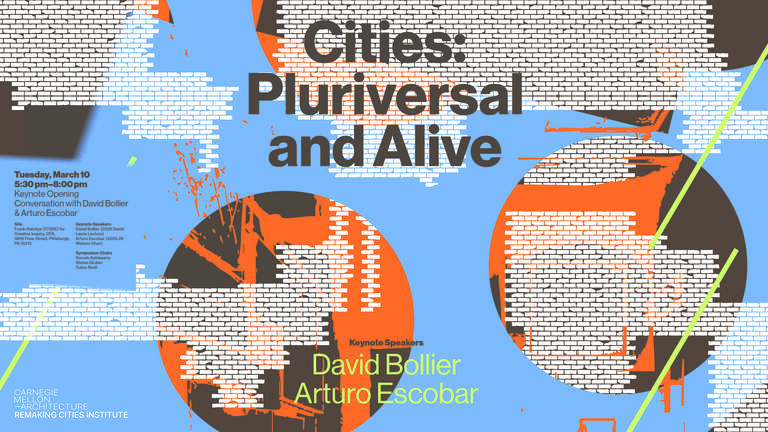
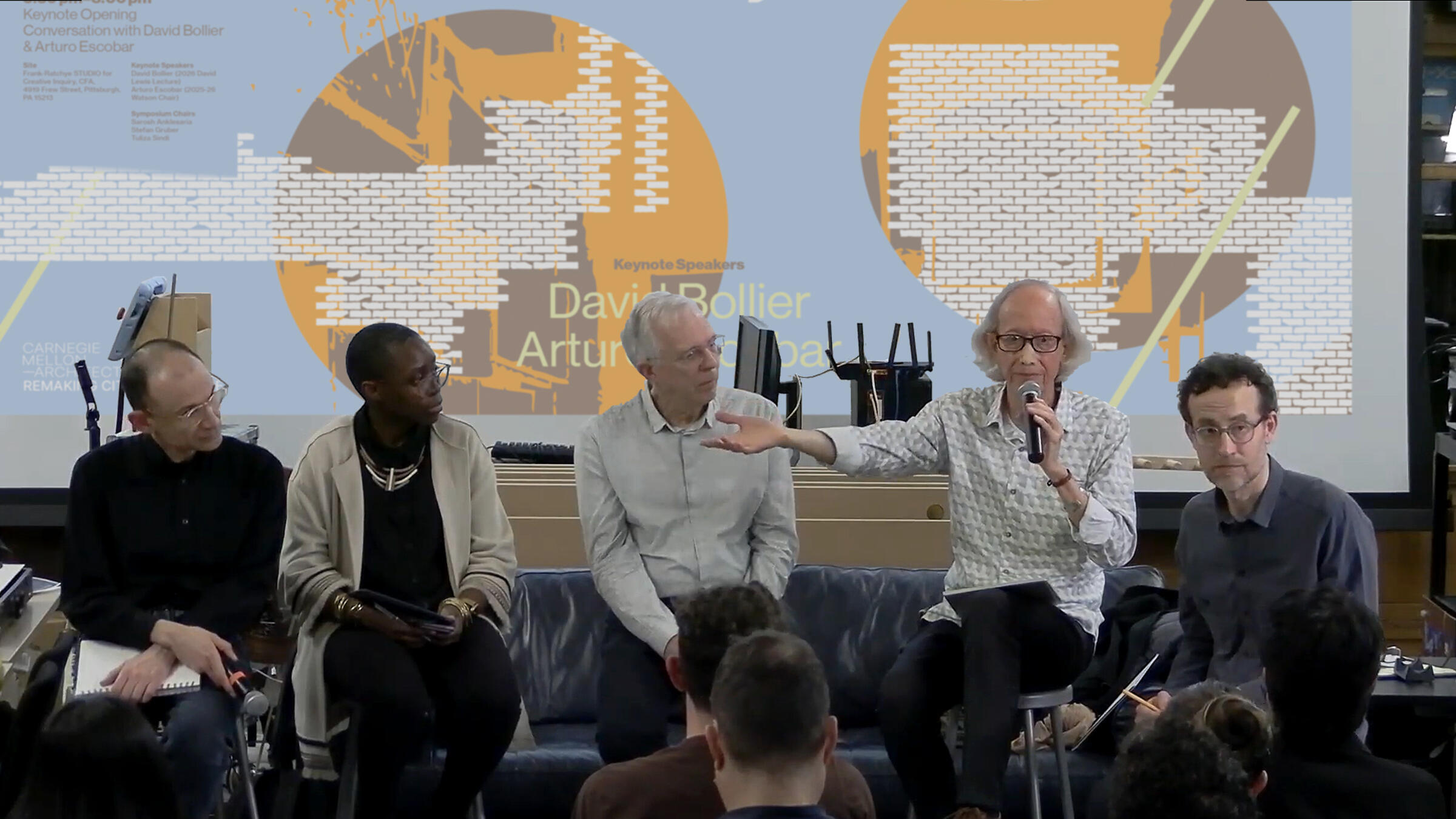
Keynote Conversation by Arturo Escobar and David Bollier
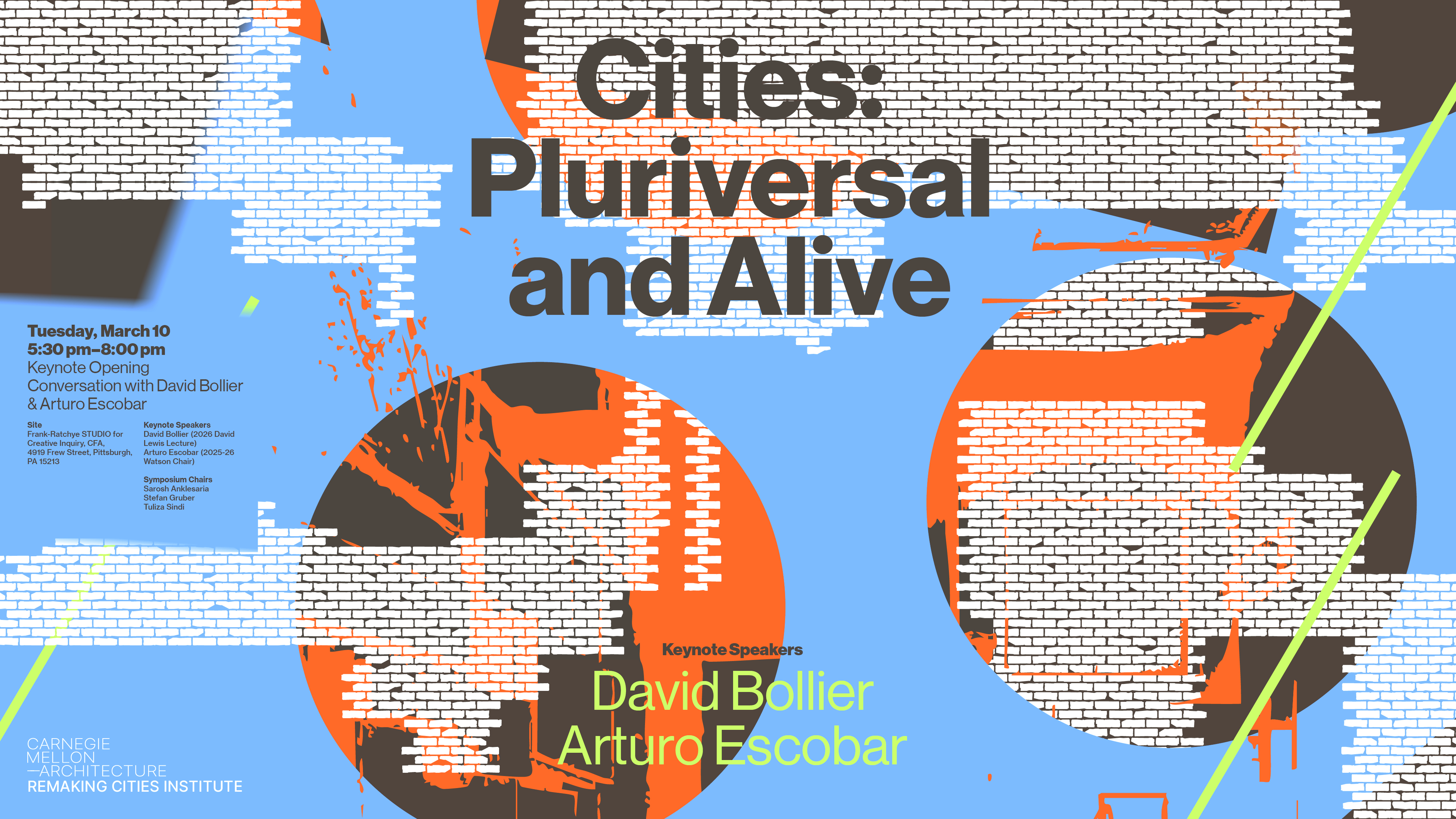
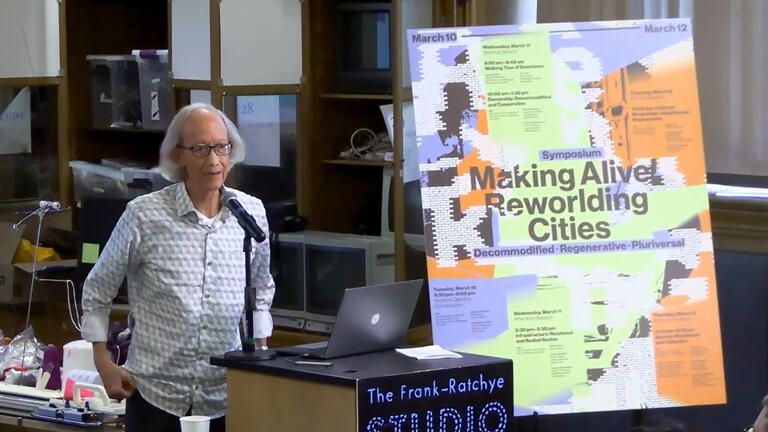
Keynote Lecture by Arturo Escobar
Arturo Escobar, CM-A’s 2025/26 Watson Chair, opened the symposium by reflecting on how modern urbanism has often been shaped by separation, extraction, and accumulation. In contrast, he invited participants to understand cities as living constellations of relationships continually sustained through cooperation, stewardship, and governance.
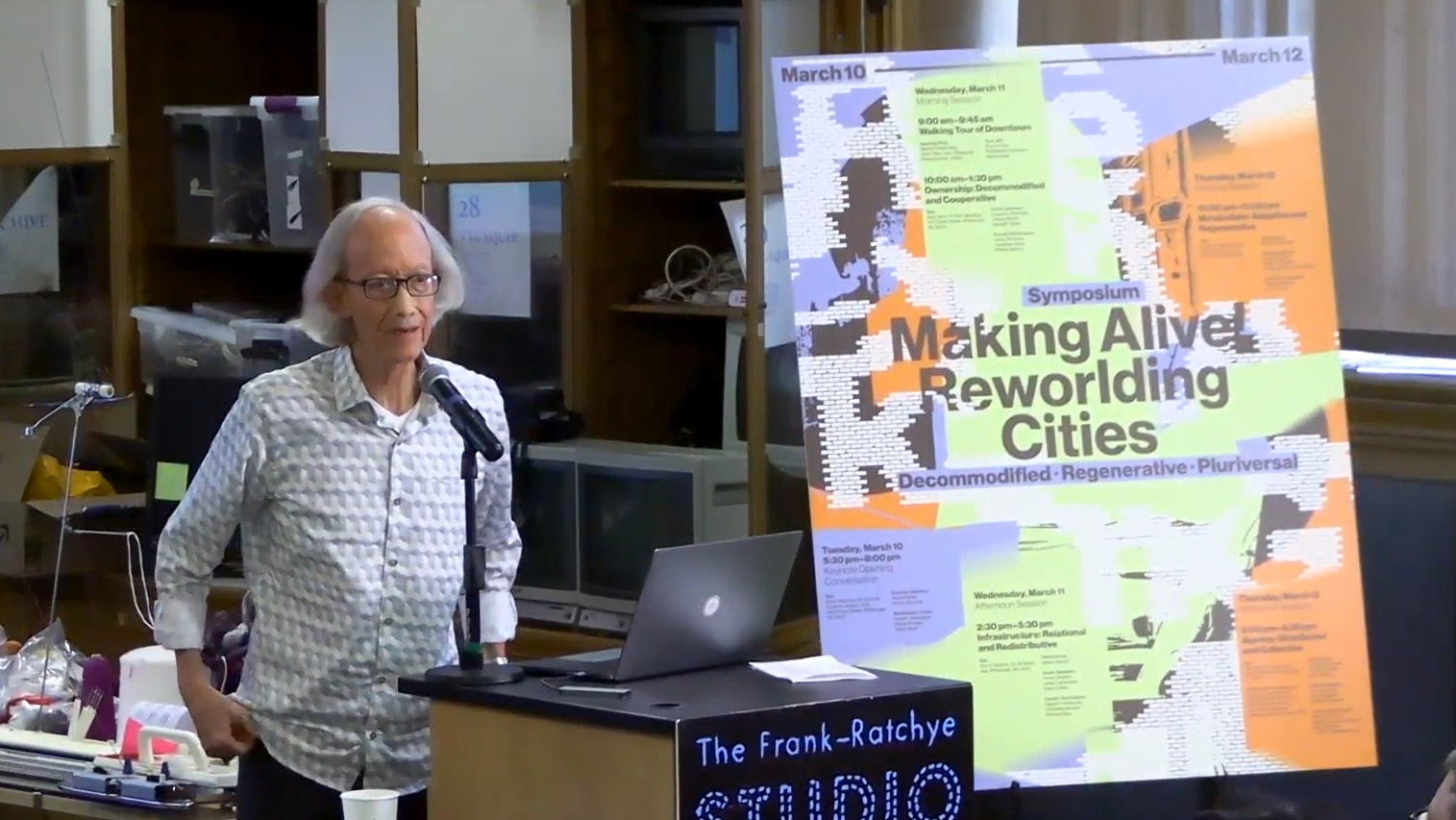
Arturo Escobar, CM-A’s 2025/26 Watson Chair, opened the symposium by reflecting on how modern urbanism has often been shaped by separation, extraction, and accumulation. In contrast, he invited participants to understand cities as living constellations of relationships continually sustained through cooperation, stewardship, and governance.
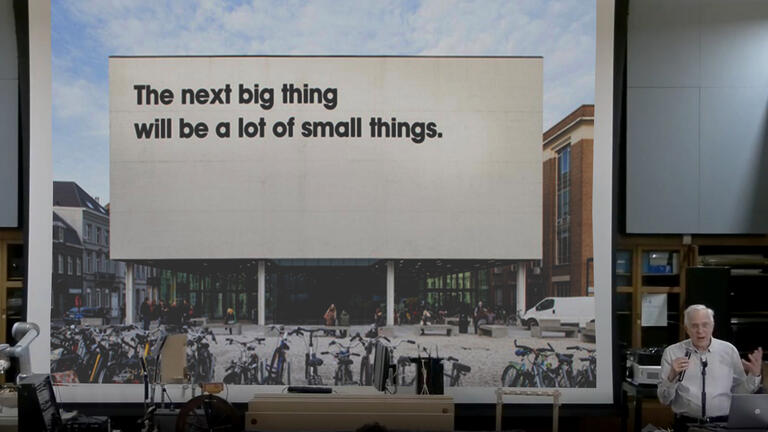
Keynote Lecture by David Bollier
David Bollier reflected on the idea of the “alive,” developed with Silke Helfrich in Free, Fair and Alive — The Insutgent Power of the Commons. Here, byond vitality, “alive” signals a deeper ontological shift in how we understand the world we inhabit and how we might imagine other urban futures.
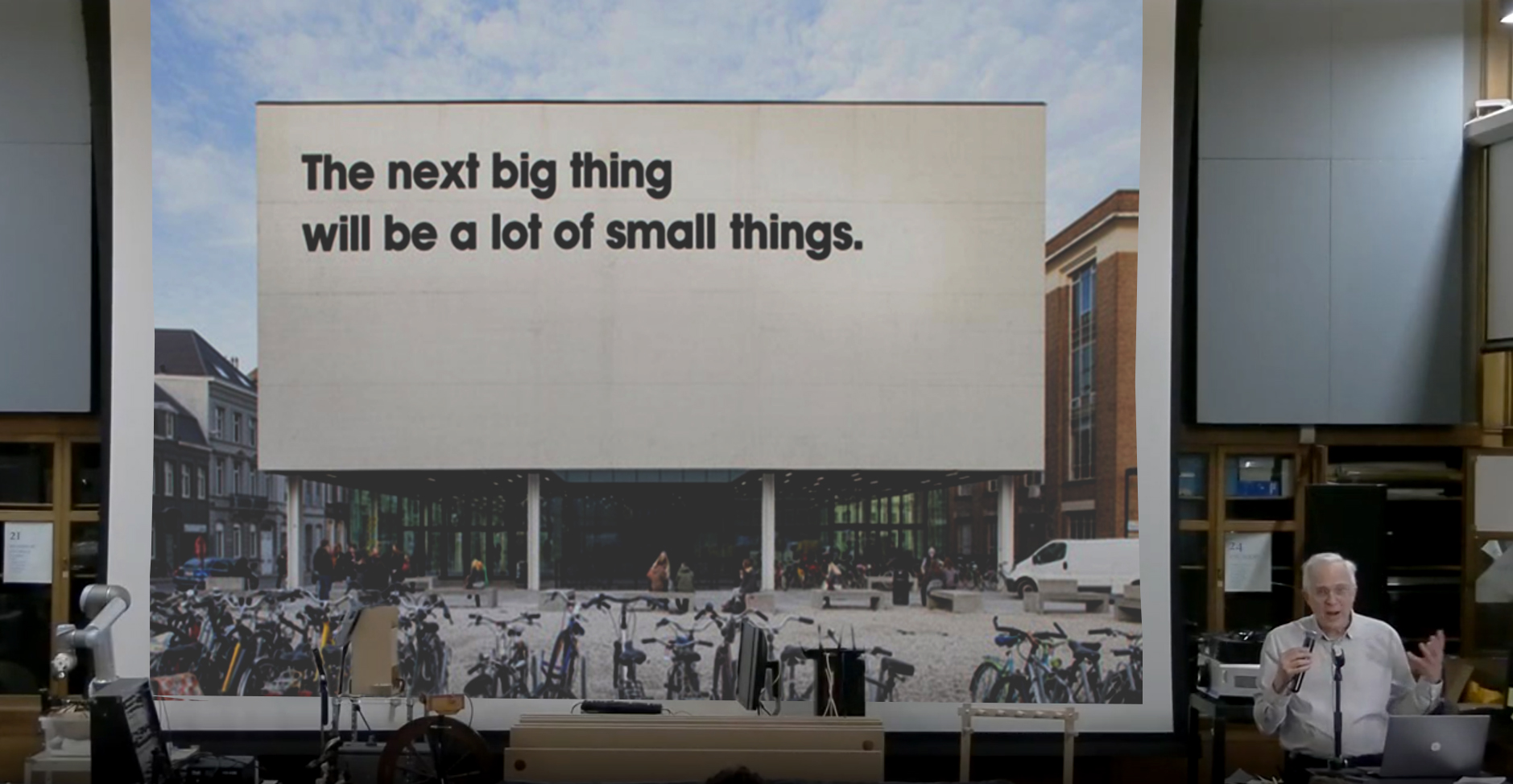
David Bollier reflected on the idea of the “alive,” developed with Silke Helfrich in Free, Fair and Alive — The Insutgent Power of the Commons. Here, byond vitality, “alive” signals a deeper ontological shift in how we understand the world we inhabit and how we might imagine other urban futures.
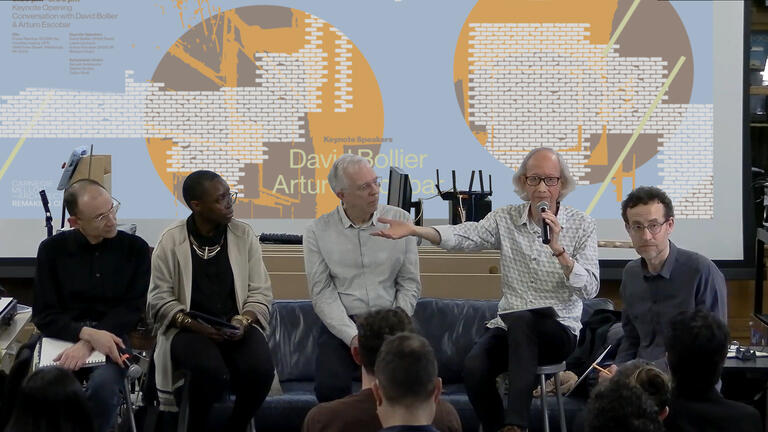
Conversation with David Bollier and Arturo Escobar
In conversation with Sarosh Anklesaria, Stefan Gruber, and Tuliza Sindi, David Bollier and Arturo Escobar explored how relationality, commoning, and just transitions might reorient design toward more equitable and regenerative futures. Their dialogue also helped chart an agenda for RCI in the years ahead.
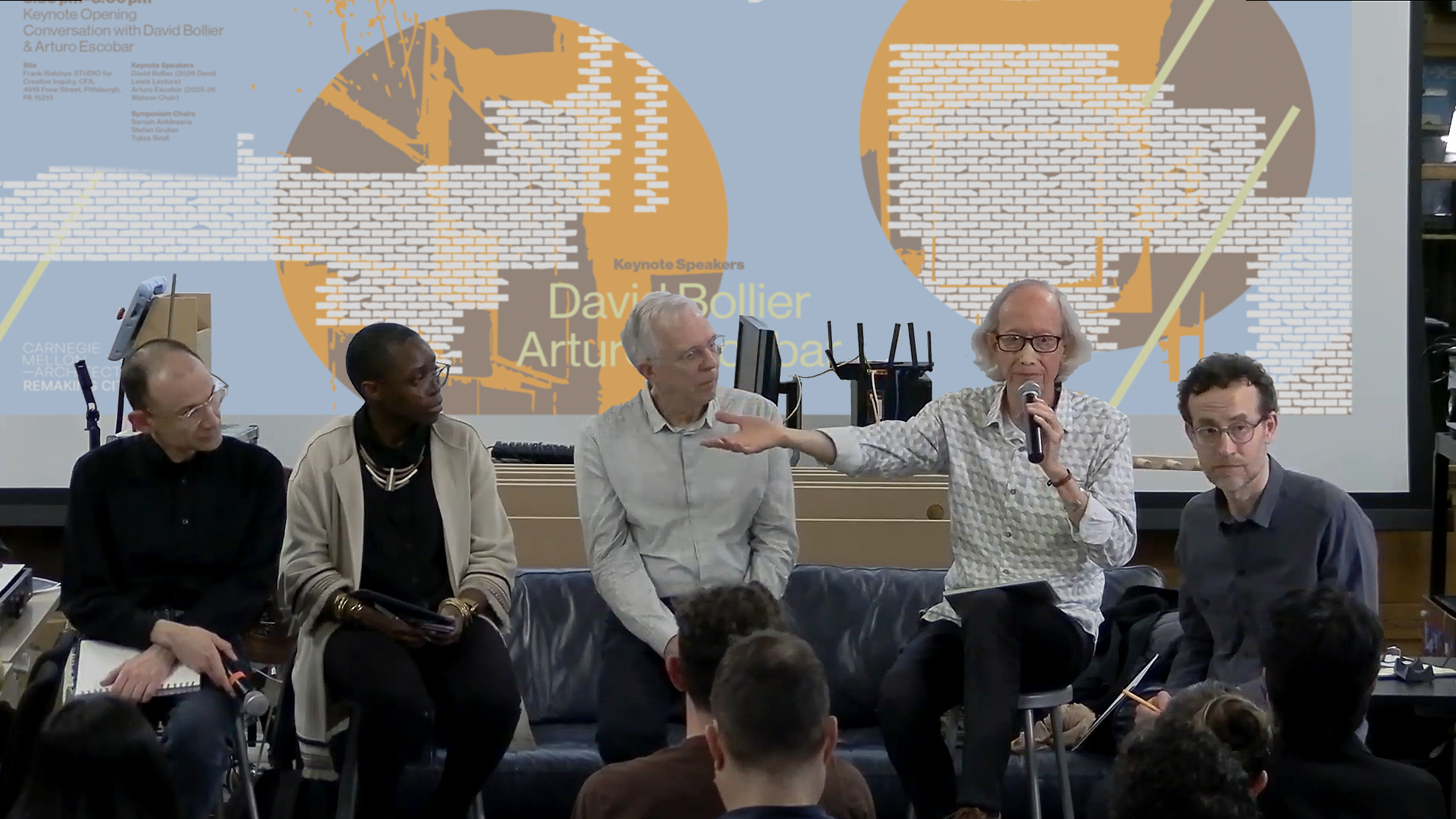
In conversation with Sarosh Anklesaria, Stefan Gruber, and Tuliza Sindi, David Bollier and Arturo Escobar explored how relationality, commoning, and just transitions might reorient design toward more equitable and regenerative futures. Their dialogue also helped chart an agenda for RCI in the years ahead.
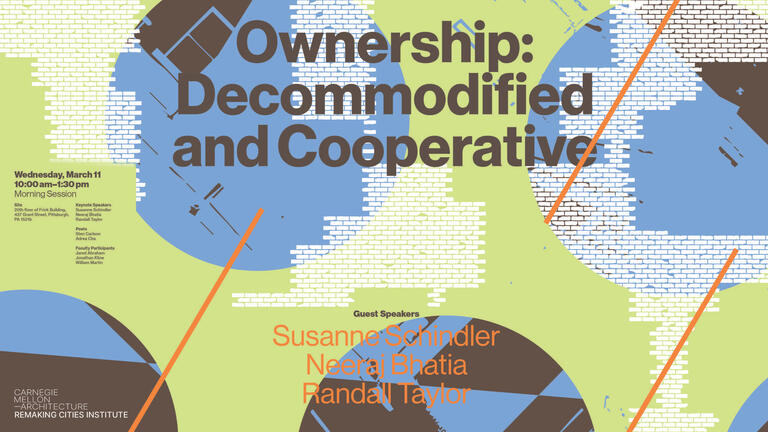
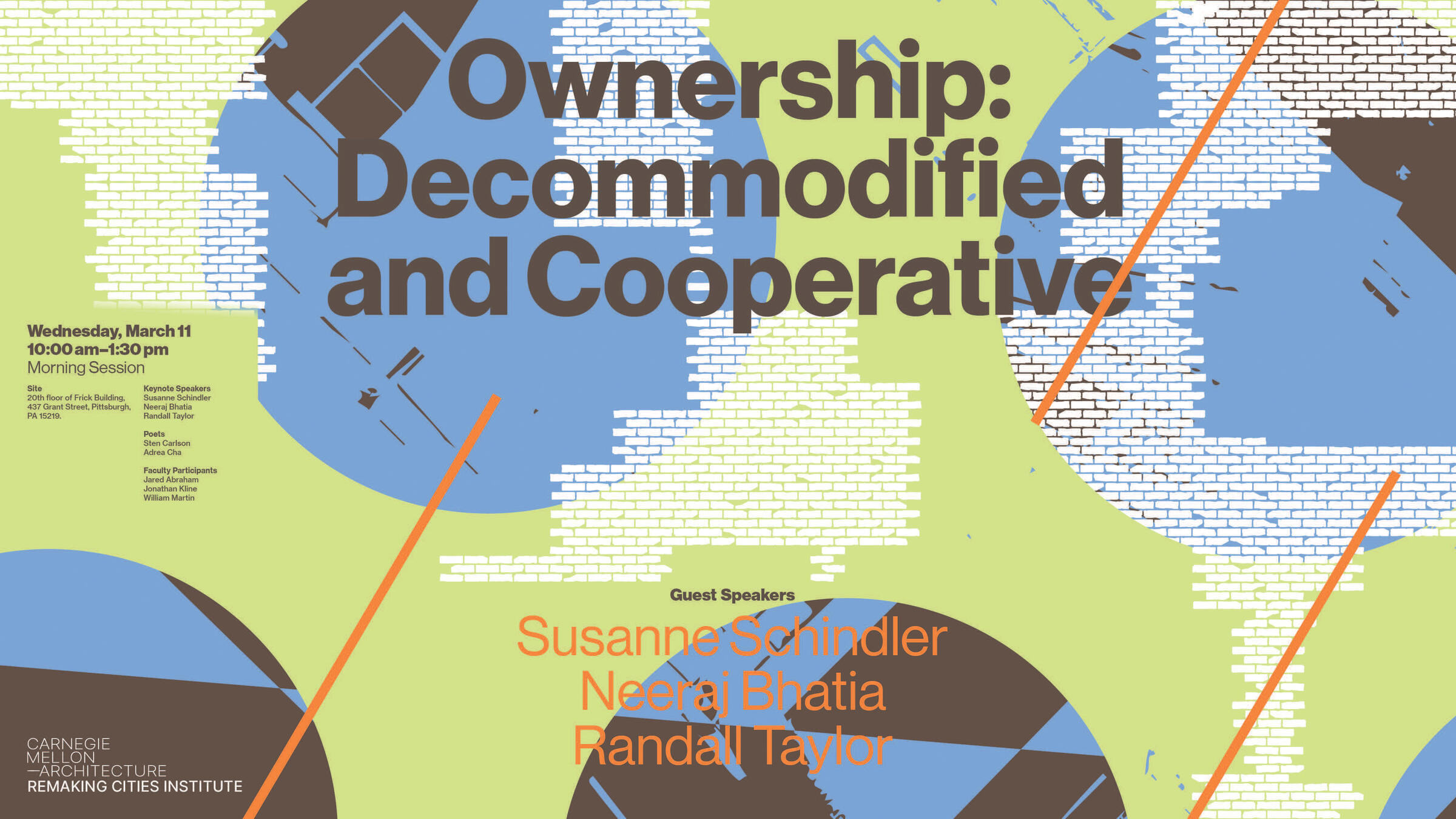
Ownership: Decommodified and Cooperative
This session asked how cities move might from ownership toward stewardship—shifting cultural norms, legal frameworks, and property regimes to support collective responsibility and care?
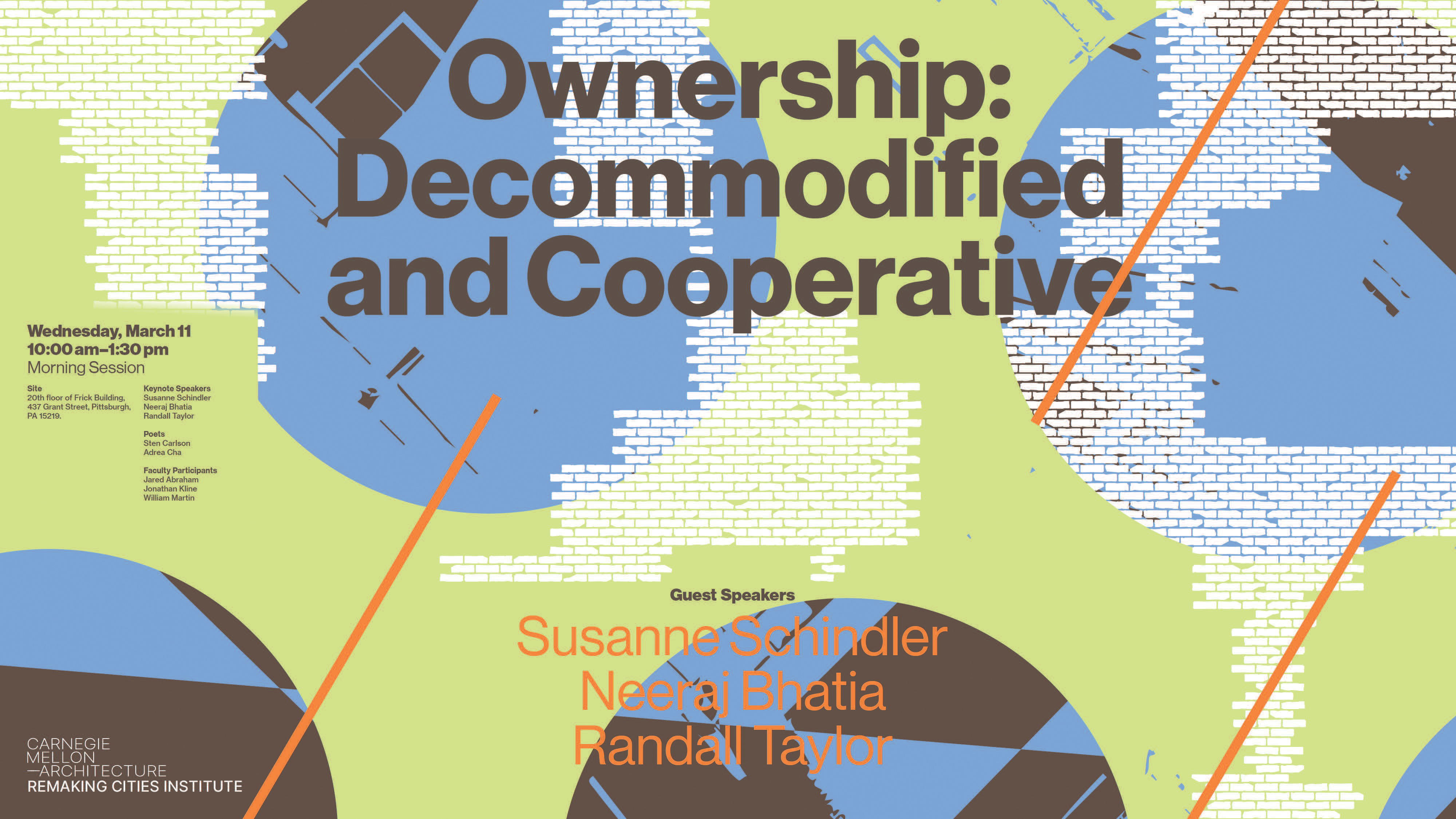
This session asked how cities move might from ownership toward stewardship—shifting cultural norms, legal frameworks, and property regimes to support collective responsibility and care?
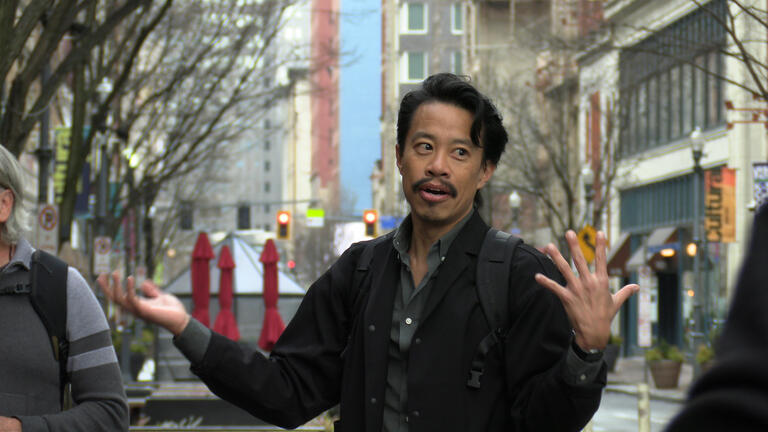
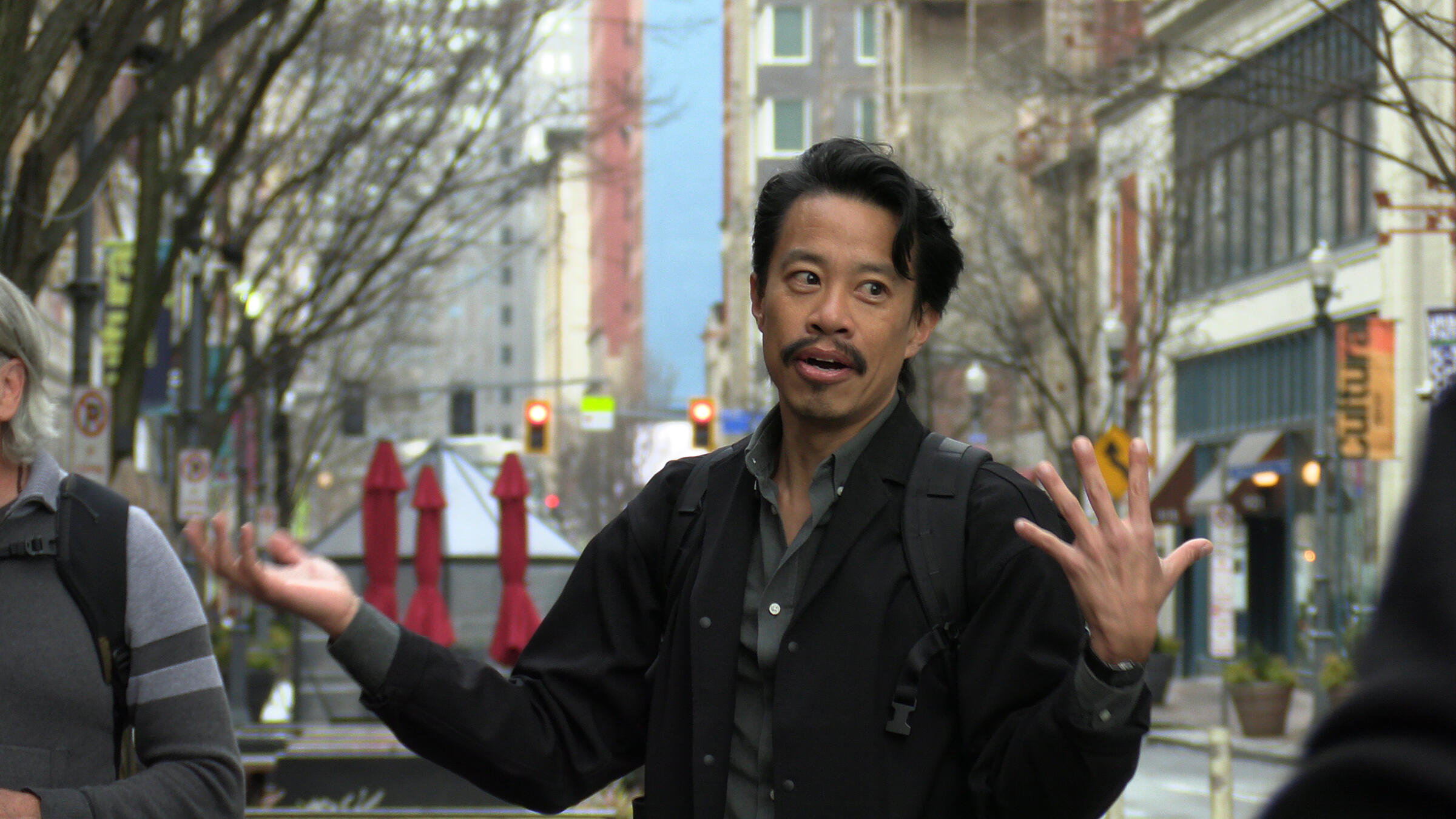
Dowtown Walking Tour
Bruce Chan (MUD ’15) led a walking tour on Pittsburgh’s Downtown, discussing its post-COVID renewal and evolving urban future.
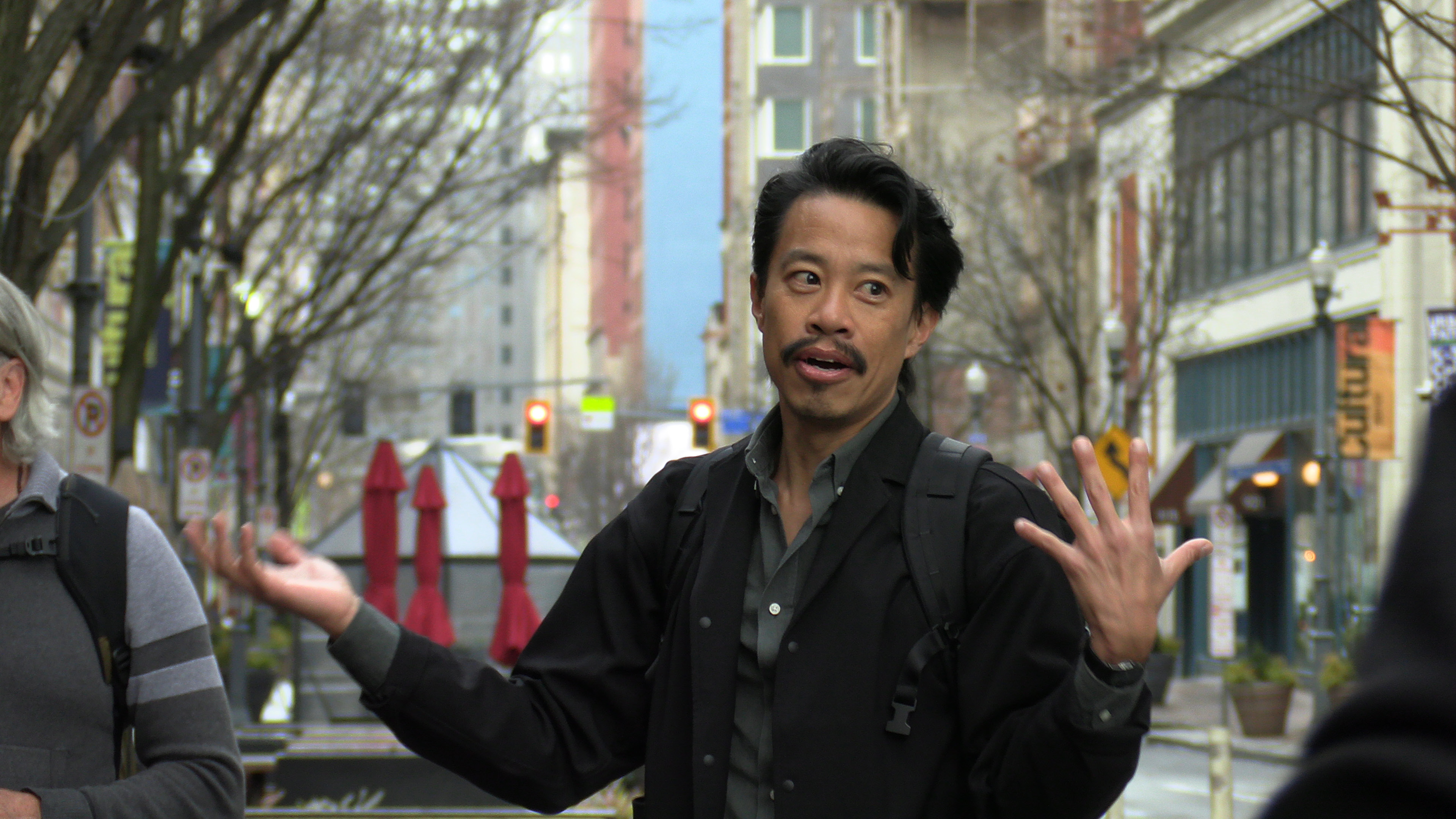
Bruce Chan (MUD ’15) led a walking tour on Pittsburgh’s Downtown, discussing its post-COVID renewal and evolving urban future.
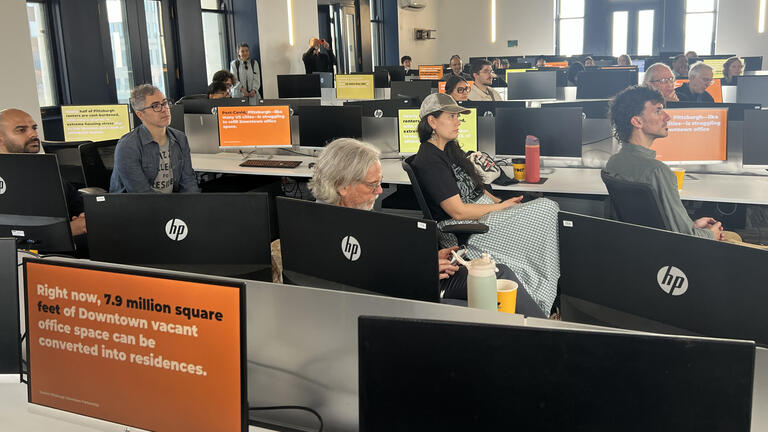
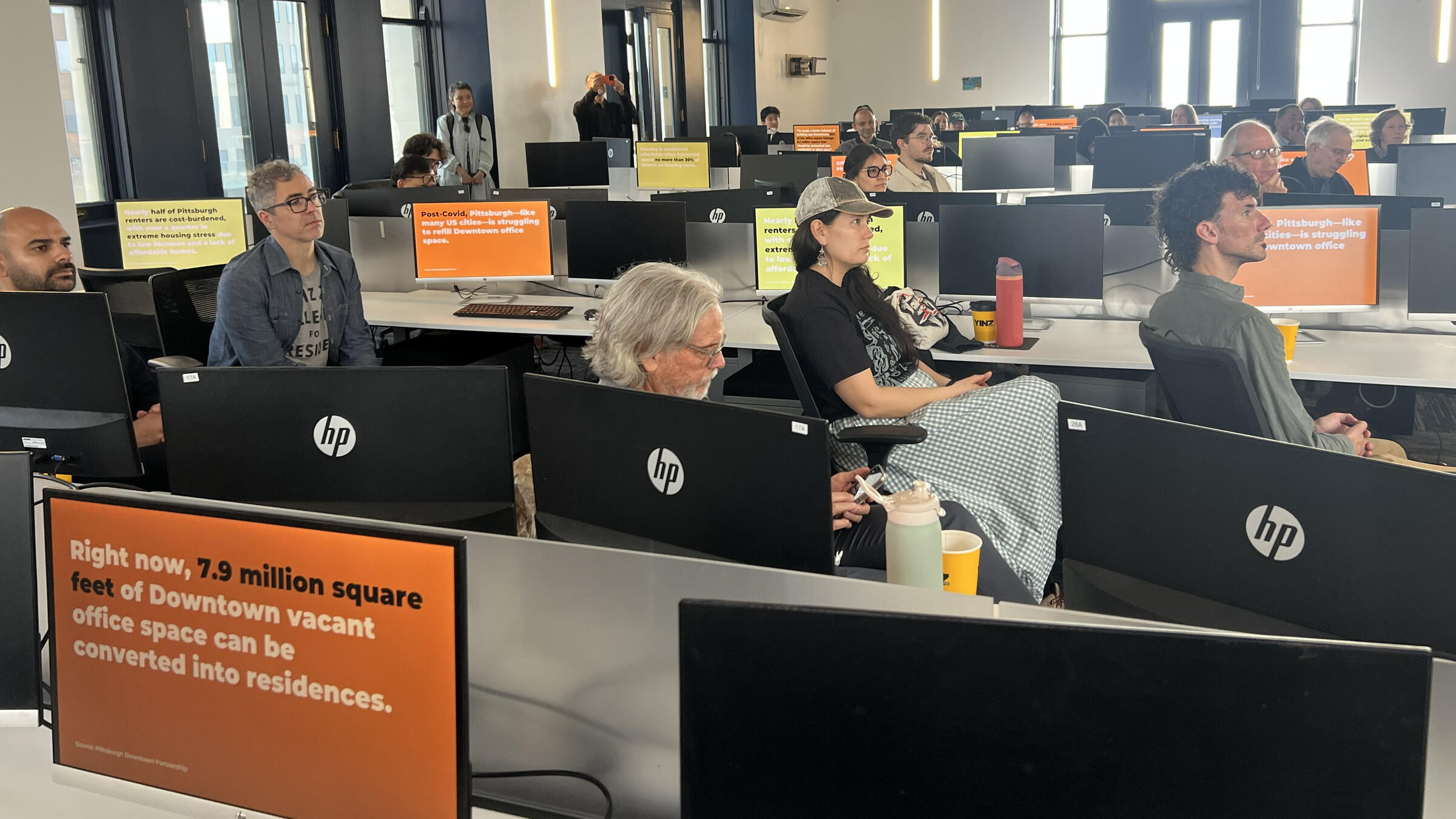
Ownership: Decommodified and Shared
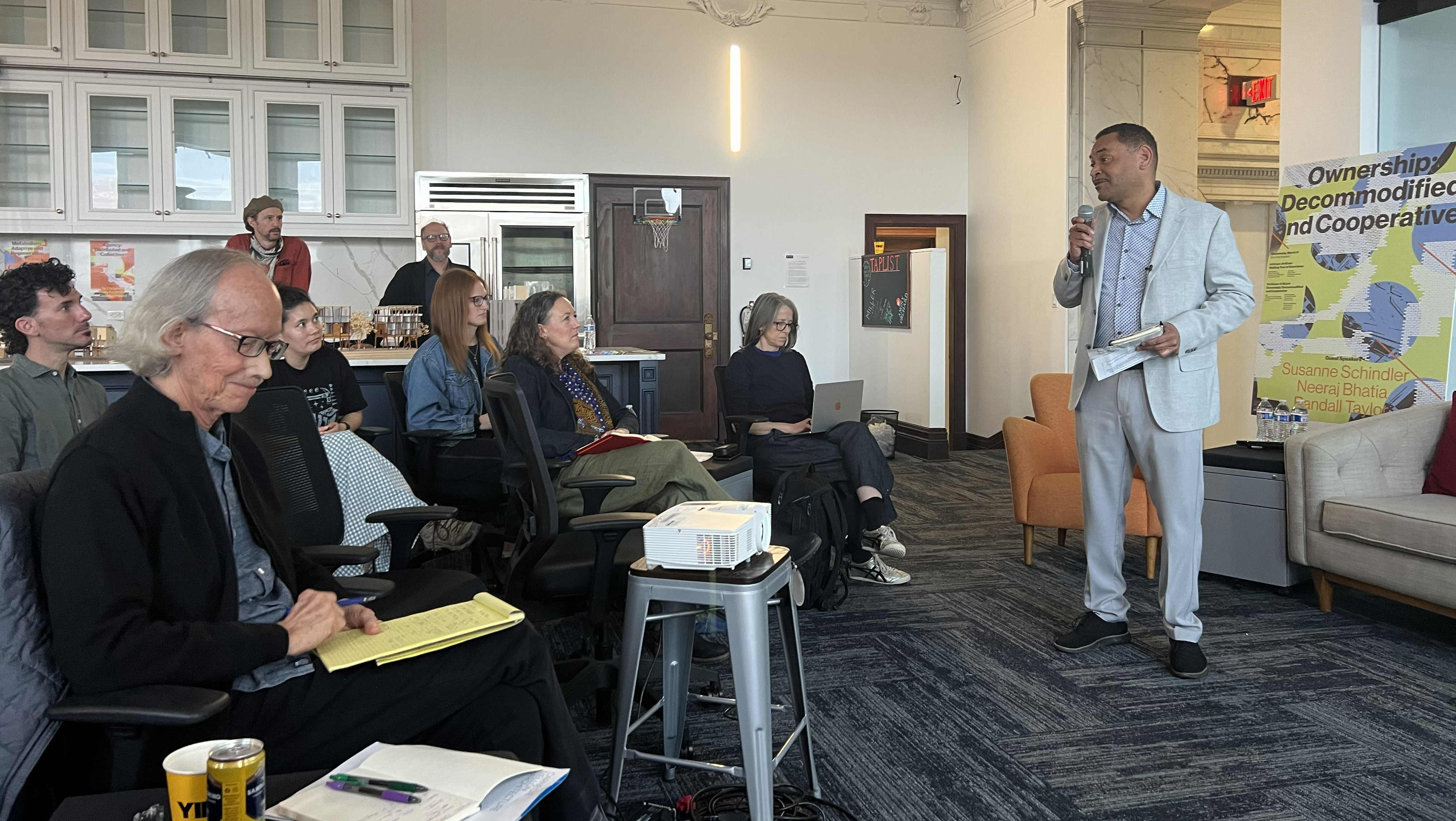
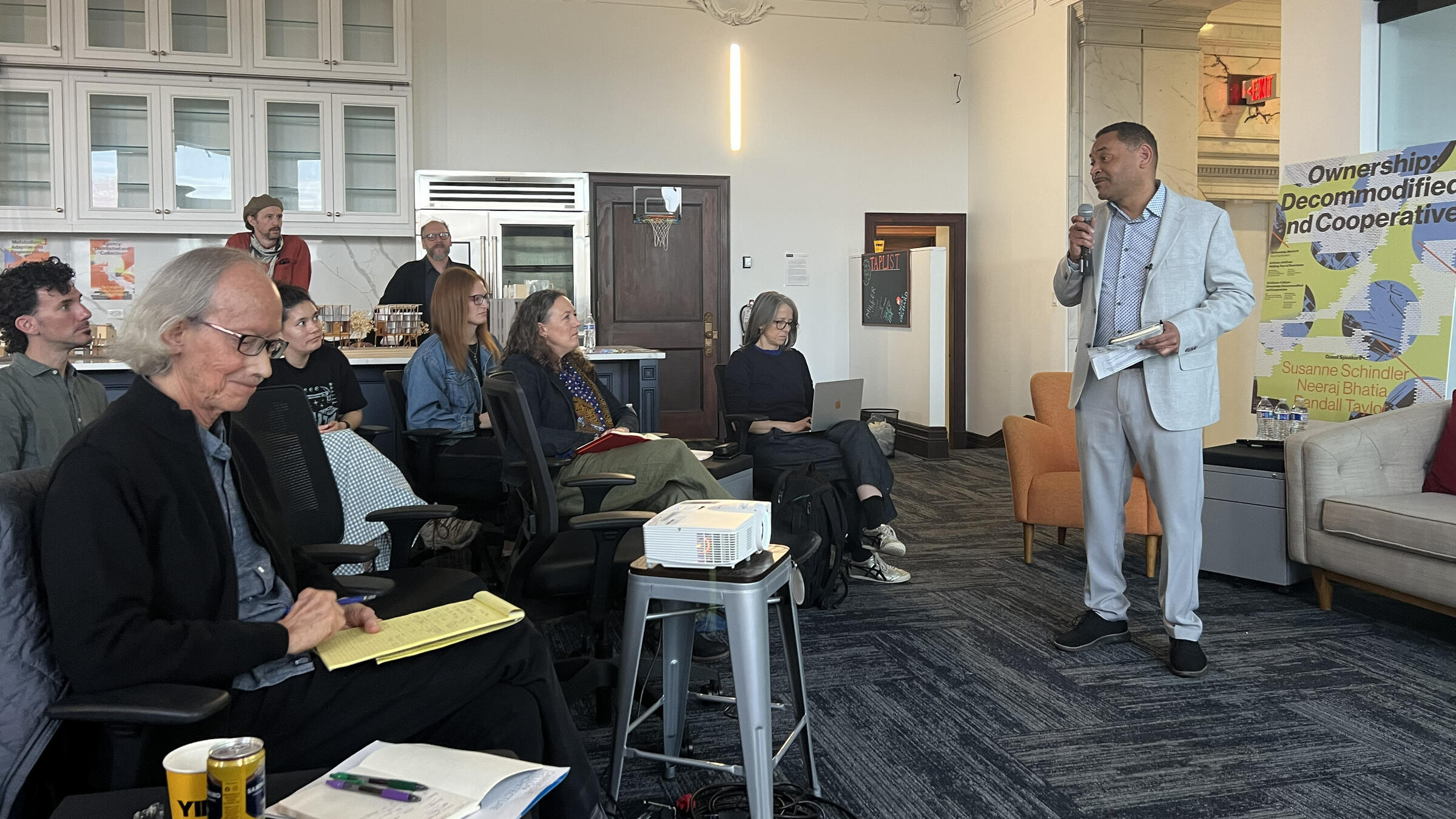
Set in a vacant office on the 20th floor of the Frick Building downtown, the first session examined housing affordability and alternative forms of ownership. Against vacancy and speculation, speakers asked what legal, financial, and spatial frameworks could transform underused buildings into shared urban assets.
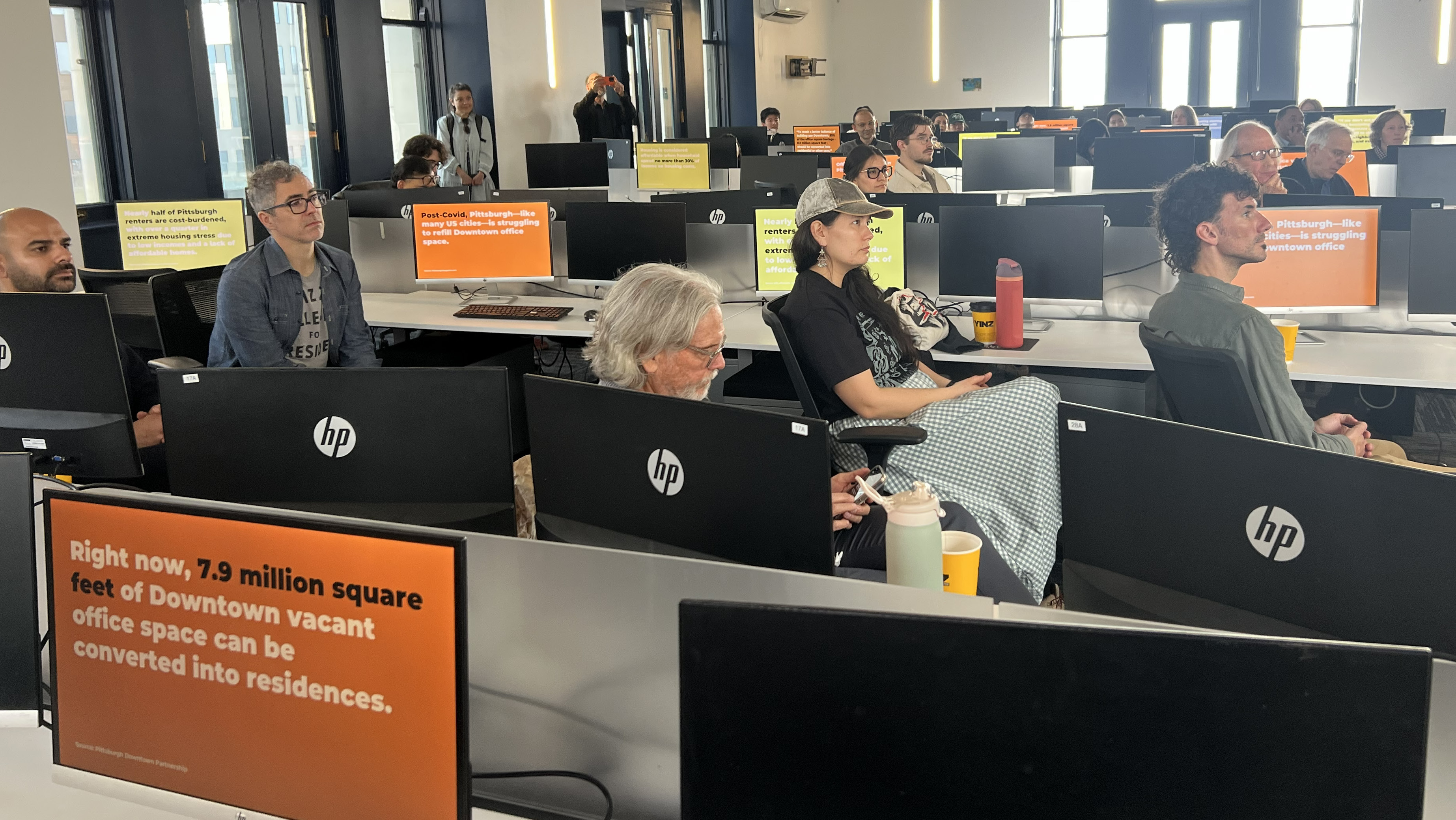
Set in a vacant office on the 20th floor of the Frick Building downtown, the first session examined housing affordability and alternative forms of ownership. Against vacancy and speculation, speakers asked what legal, financial, and spatial frameworks could transform underused buildings into shared urban assets.
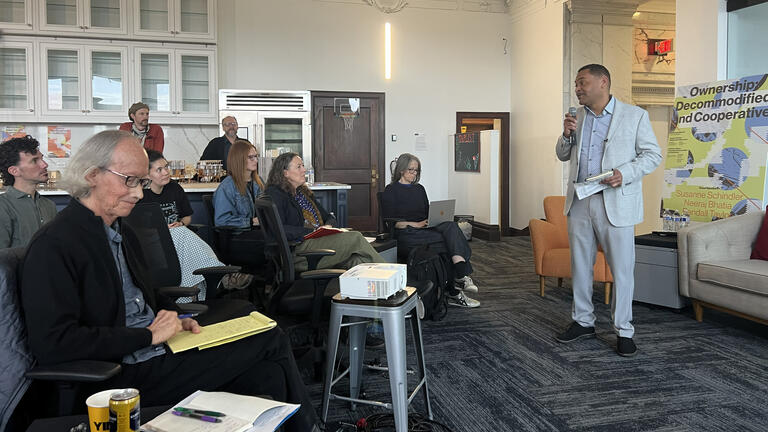
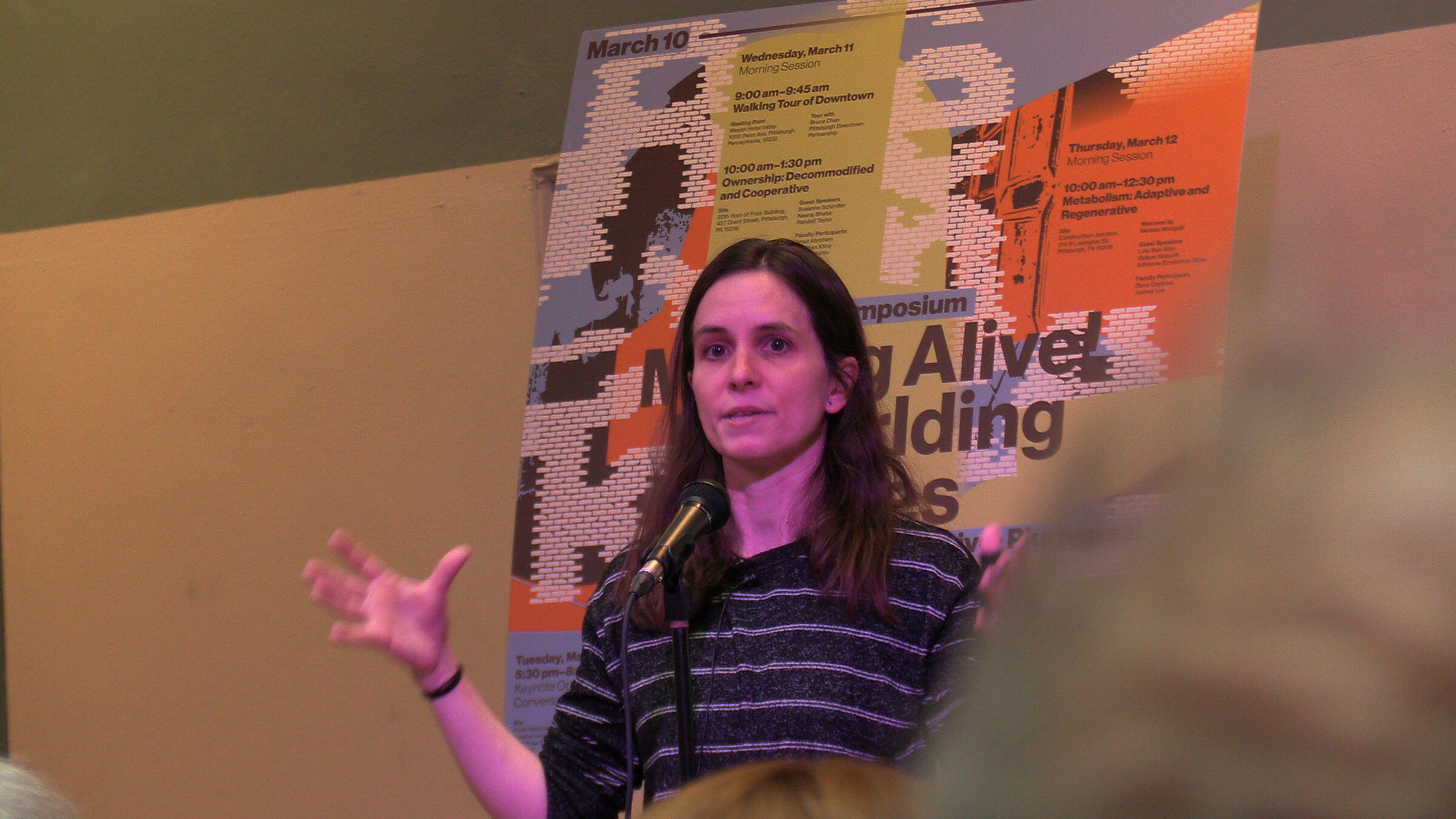
Randall Taylor on the Steel City Cooperative Housing Initiative
With presentations by Susanne Schindler, Neeraj Bhatia, and Randall Taylor, the session moved from histories of displacement and struggle to cooperative housing systems and the architectural forms that support collective life. Speakers explored how cooperatives, community land trusts, adaptive reuse, and nonprofit ownership can sustain affordability.
With presentations by Susanne Schindler, Neeraj Bhatia, and Randall Taylor, the session moved from histories of displacement and struggle to cooperative housing systems and the architectural forms that support collective life. Speakers explored how cooperatives, community land trusts, adaptive reuse, and nonprofit ownership can sustain affordability.
Infrastructure: Relational and Redistributive
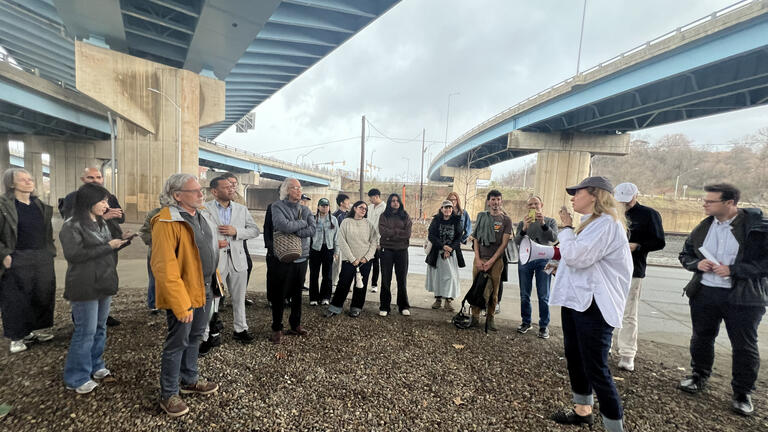
Site Visit to Route 65 on Pittsburgh’s North Side
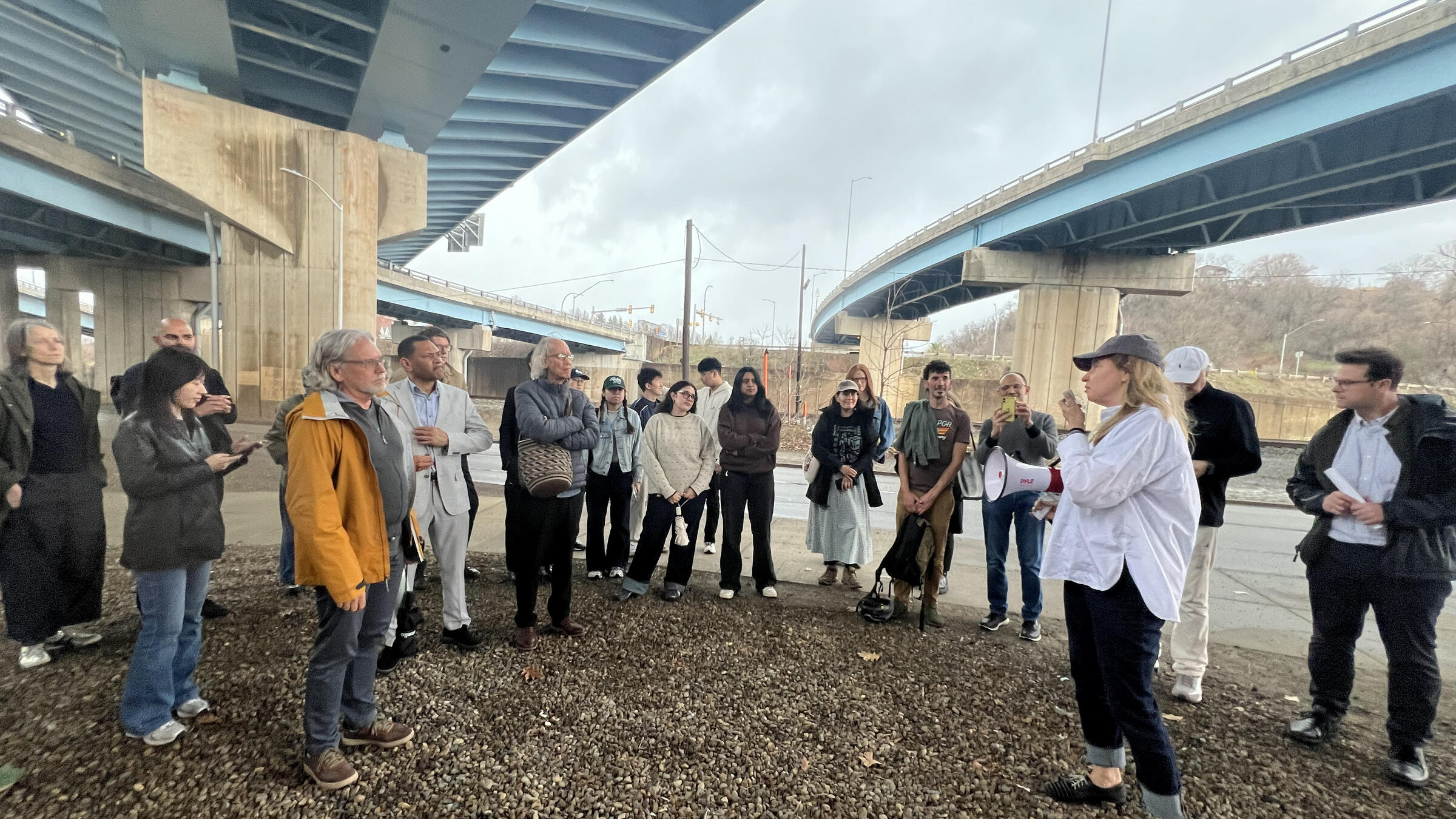
Christine Mondor introduced participants to the neighborhoods of Manchester and Chateau, divided by Route 65 through urban renewal. Design studios led by Mondor, Anklesaria, and Jonathan Kline have imagined the highway’s removal as an act of repair and reconnection—an idea now being actively considered by the City of Pittsburgh.
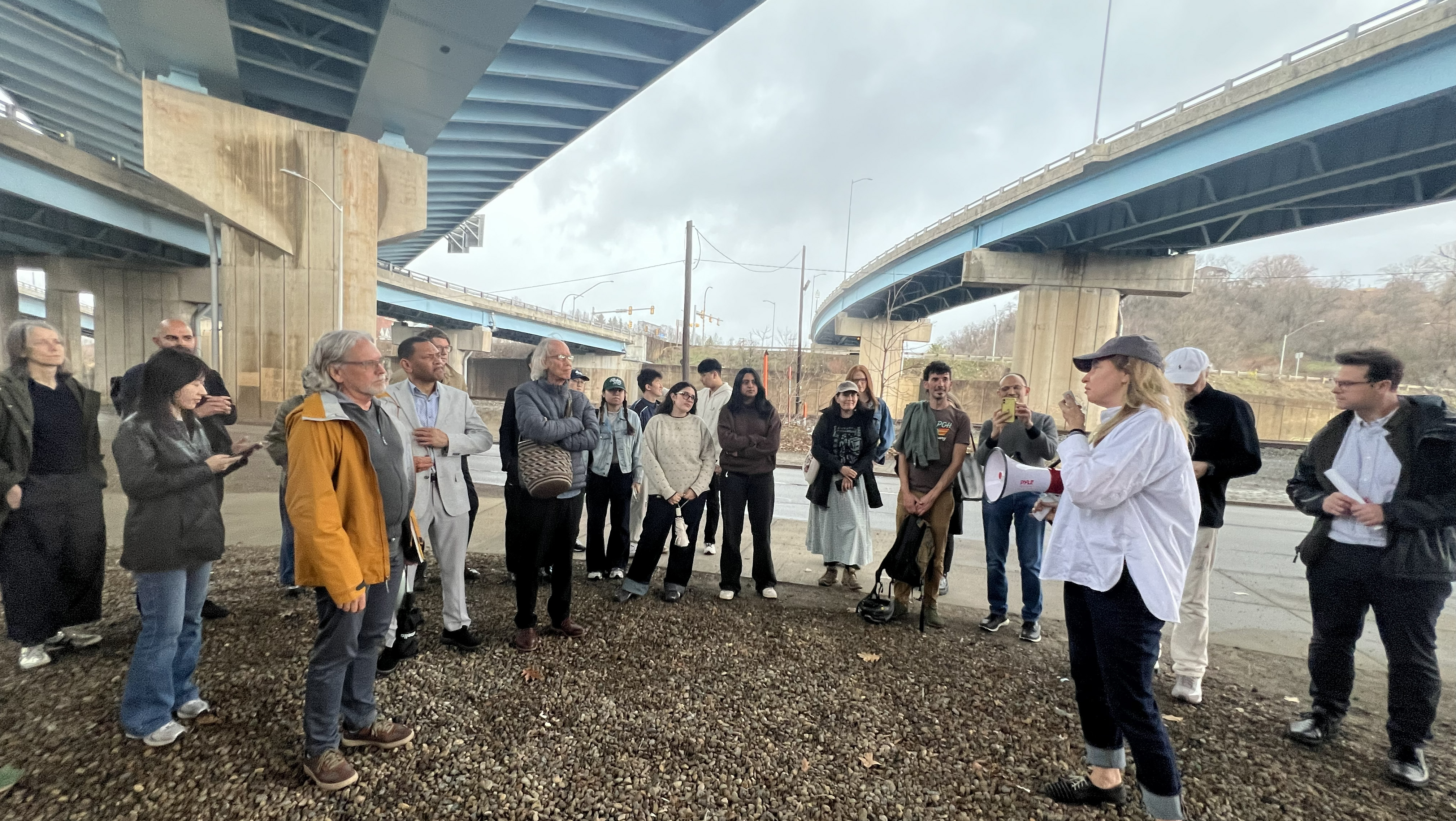
Christine Mondor introduced participants to the neighborhoods of Manchester and Chateau, divided by Route 65 through urban renewal. Design studios led by Mondor, Anklesaria, and Jonathan Kline have imagined the highway’s removal as an act of repair and reconnection—an idea now being actively considered by the City of Pittsburgh.
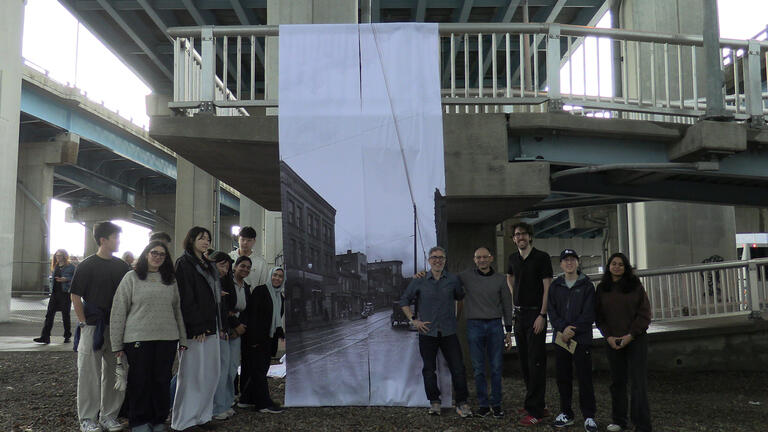
Infrastructures of Separation
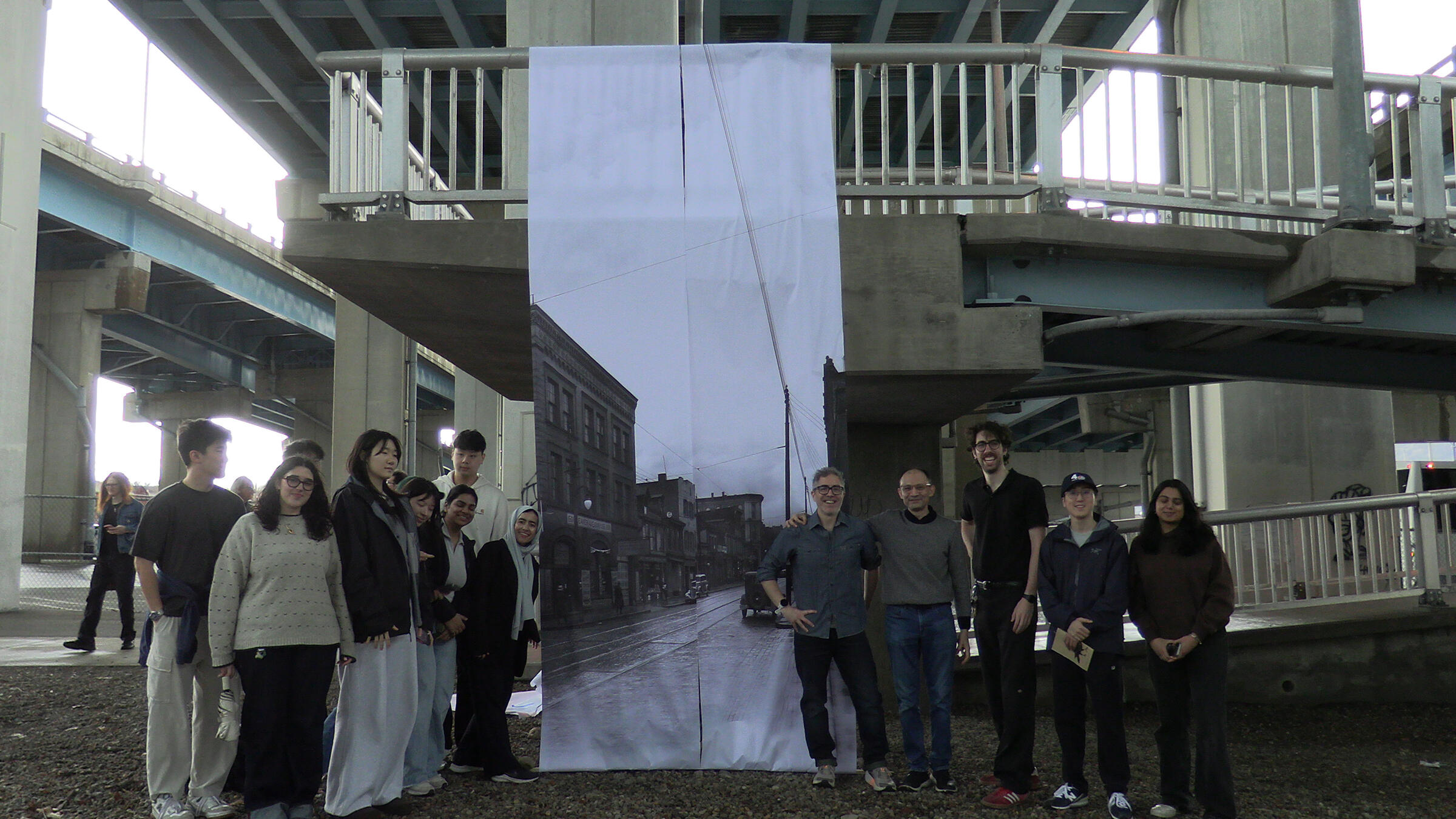
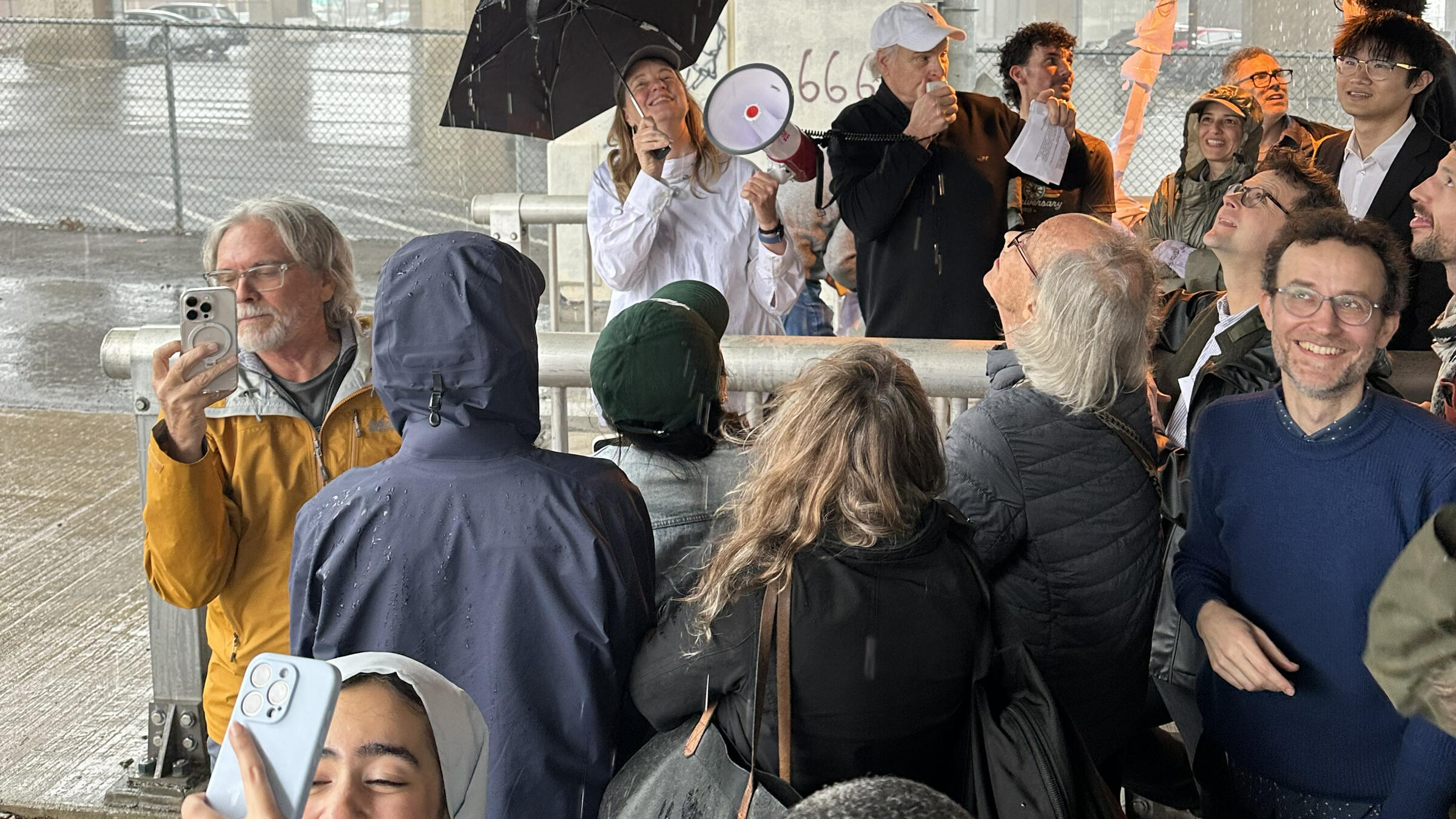
While infrastructure often remains invisible, its violence can be impossible to ignore. During the site visit, participants raised a banner depicting the thriving neighborhood erased to make way for the current highway infrastructure.
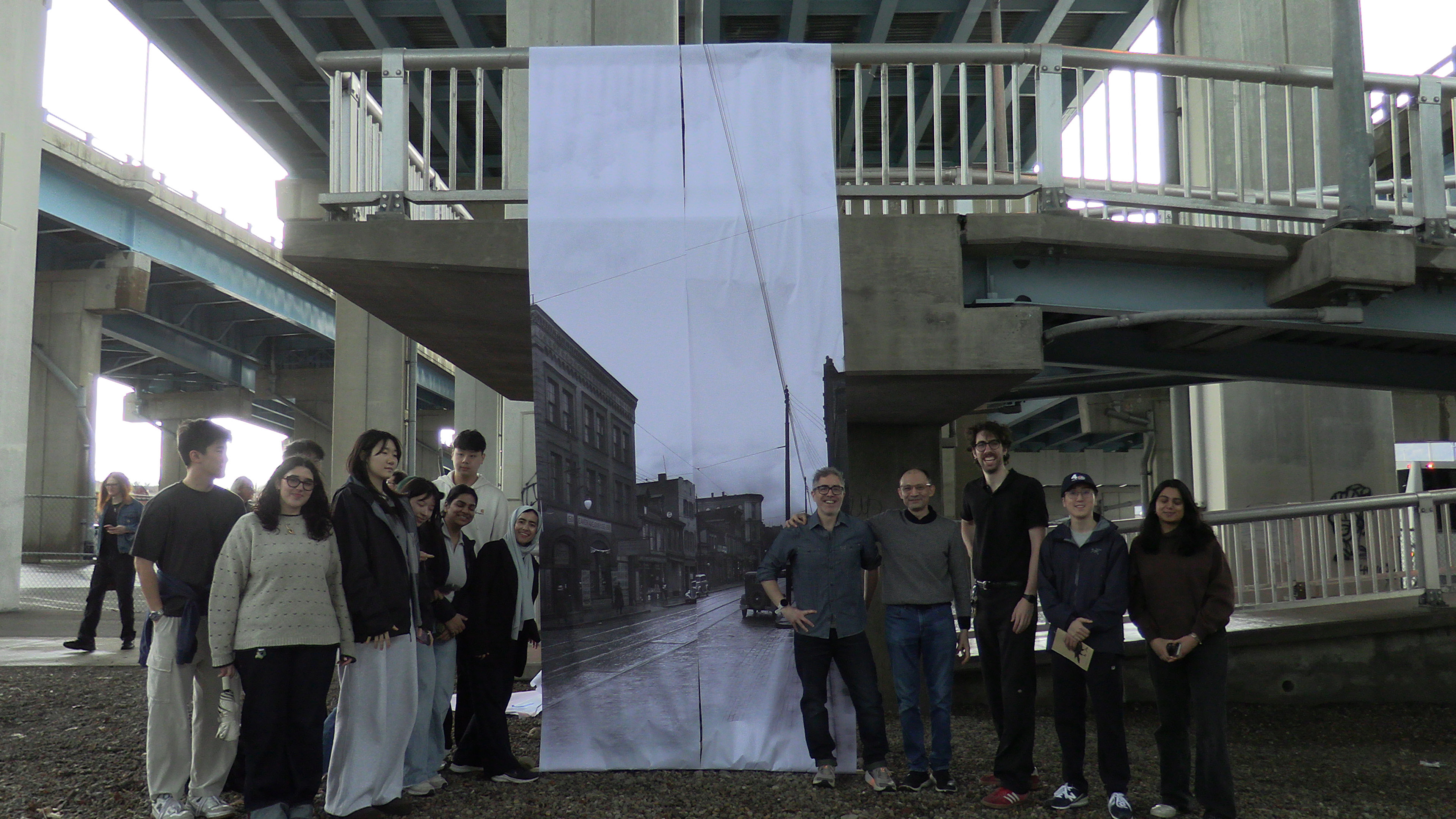
While infrastructure often remains invisible, its violence can be impossible to ignore. During the site visit, participants raised a banner depicting the thriving neighborhood erased to make way for the current highway infrastructure.
The Clamour of a Falling Leaf
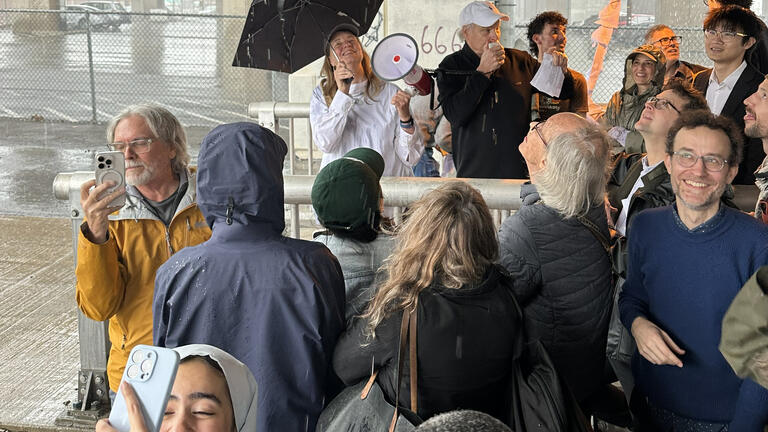
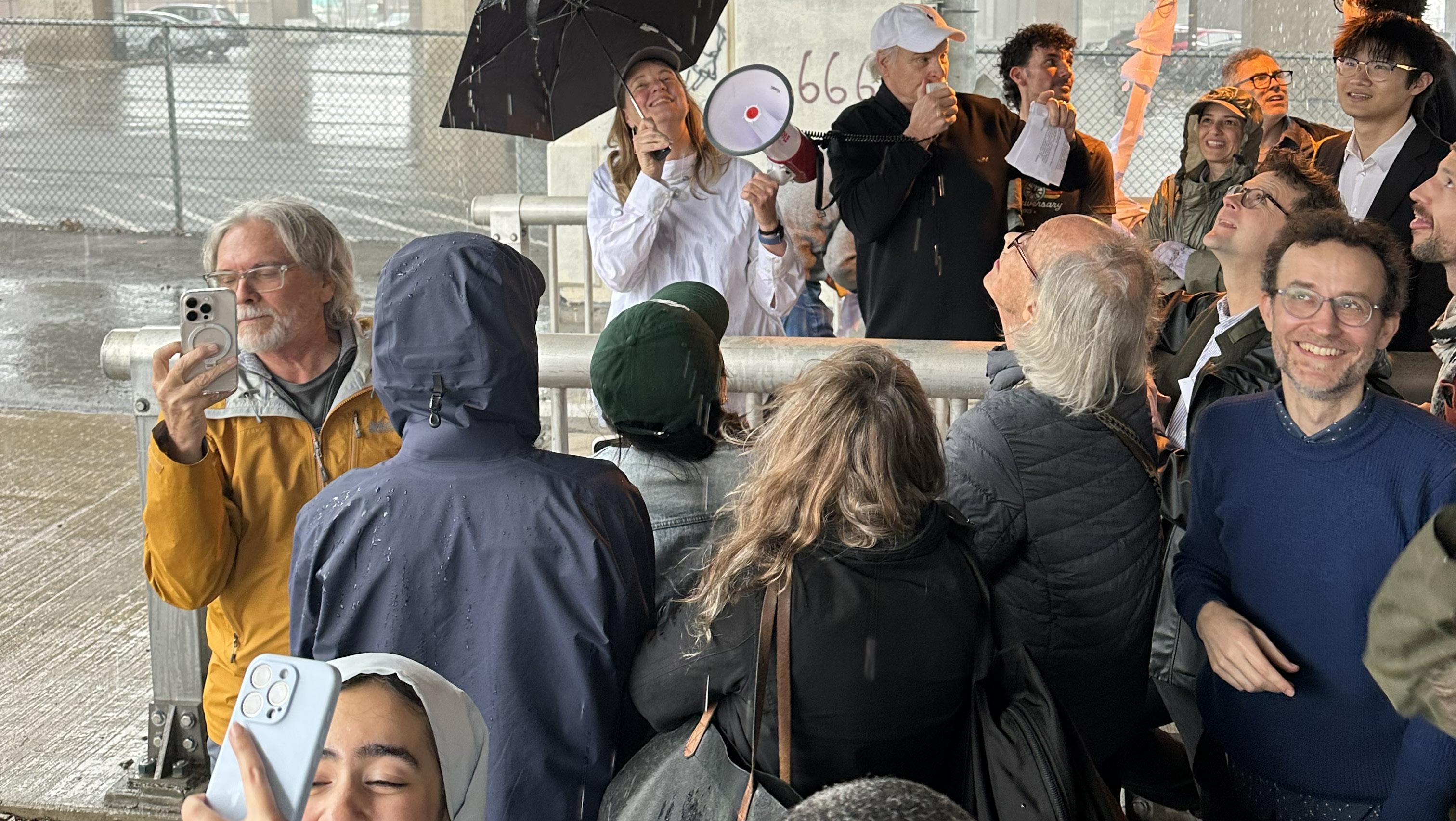
Each symposium session opened with a poetry reading that offered an affective entry point to the issues at stake. Curated by Will Martin, the series included Sten Carlson, Andrea Cha, Charles Legere, Emily Carlson, and Robin Clarke. As participants gathered to hear Legere read poems on Pittsburgh’s public steps, a sudden downpour sent the group sheltering beneath the highway.
Each symposium session opened with a poetry reading that offered an affective entry point to the issues at stake. Curated by Will Martin, the series included Sten Carlson, Andrea Cha, Charles Legere, Emily Carlson, and Robin Clarke. As participants gathered to hear Legere read poems on Pittsburgh’s public steps, a sudden downpour sent the group sheltering beneath the highway.
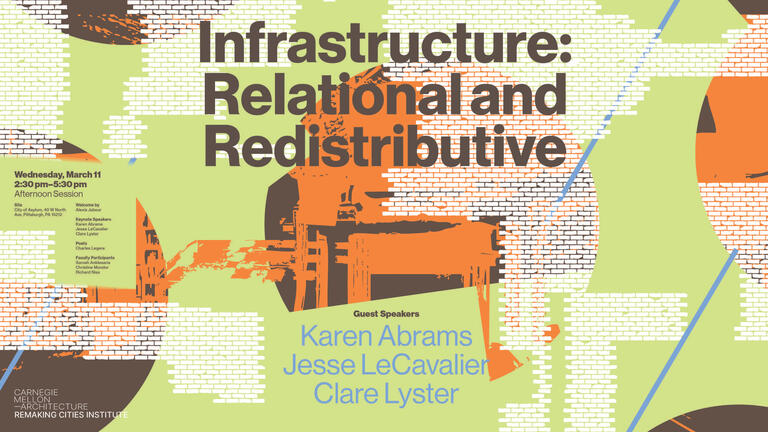
Infrastructure: Relational and Redistributive
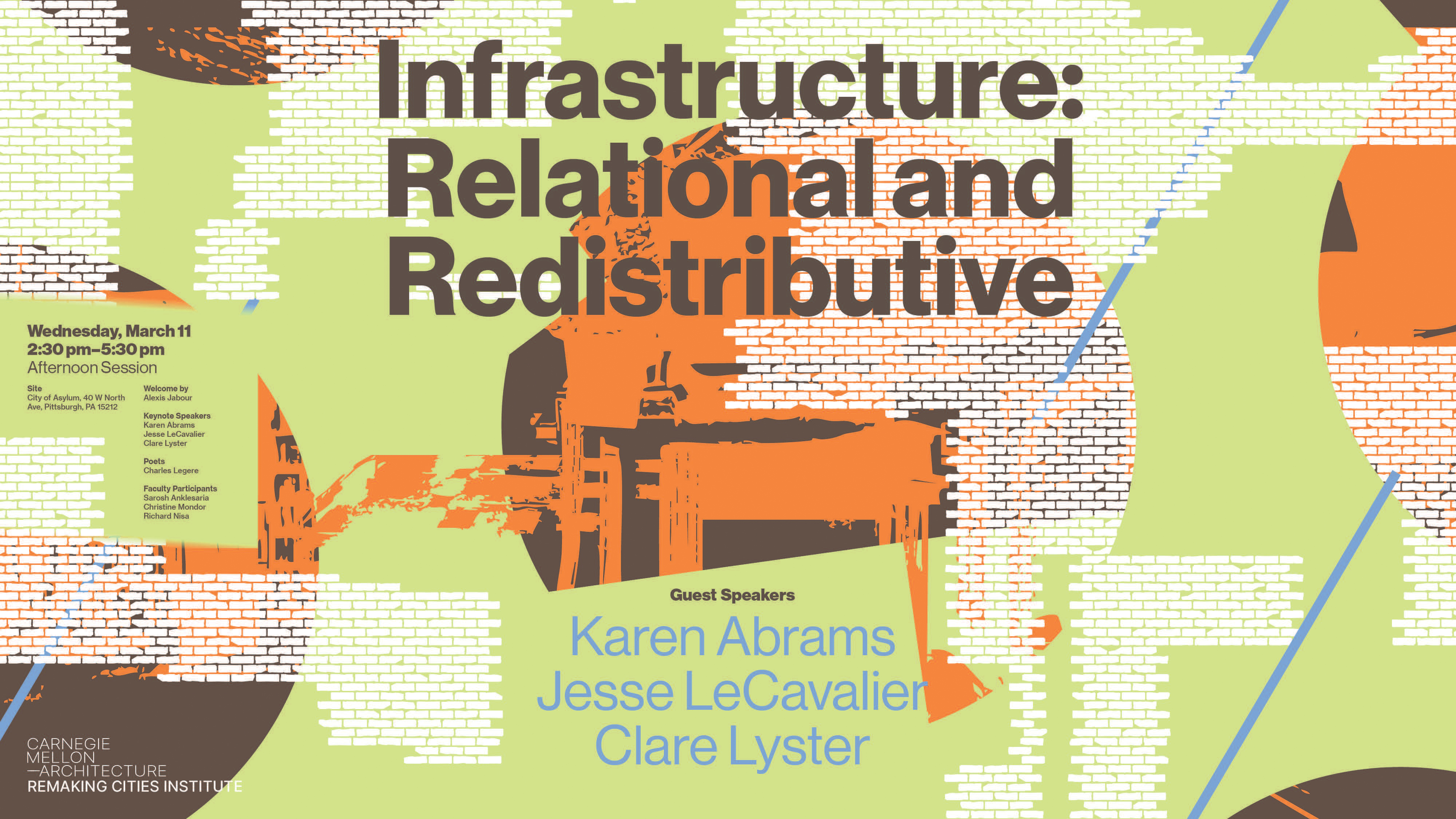
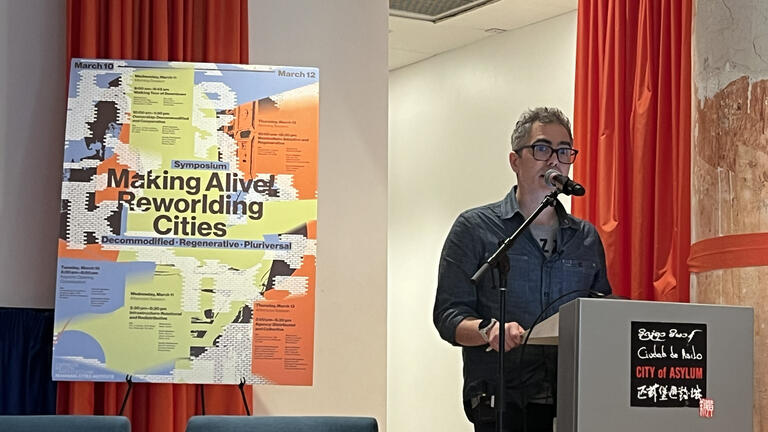
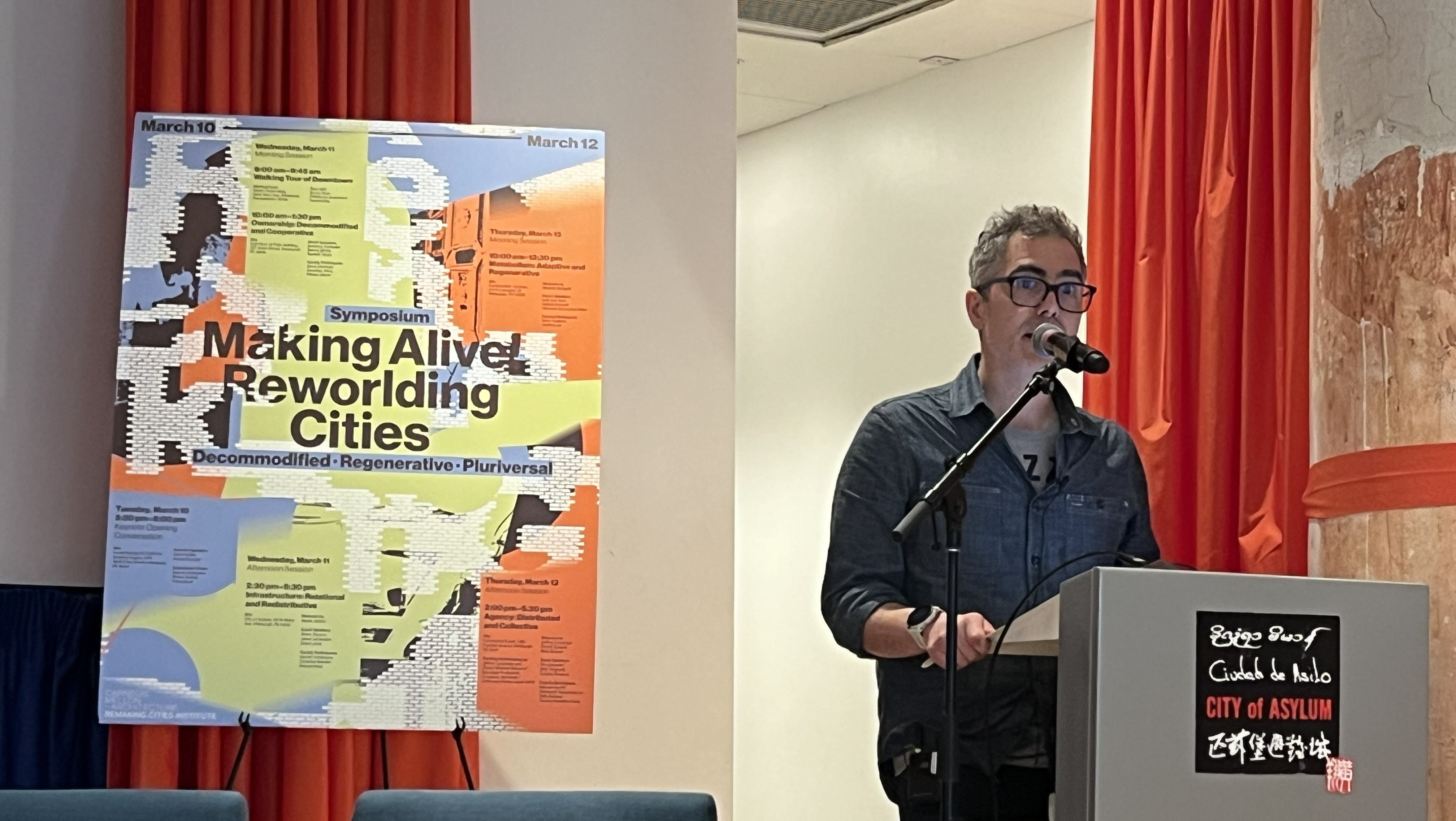
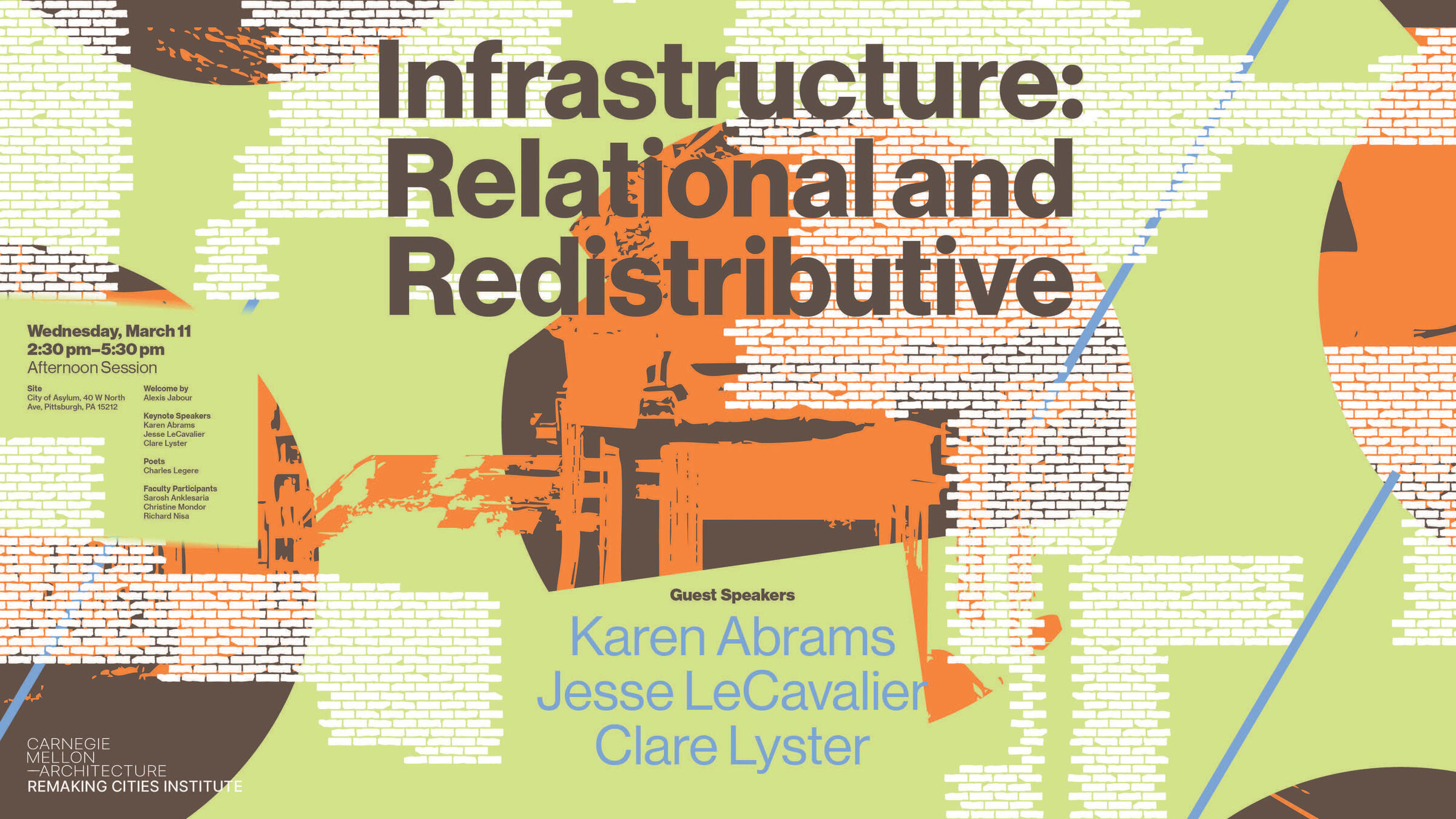
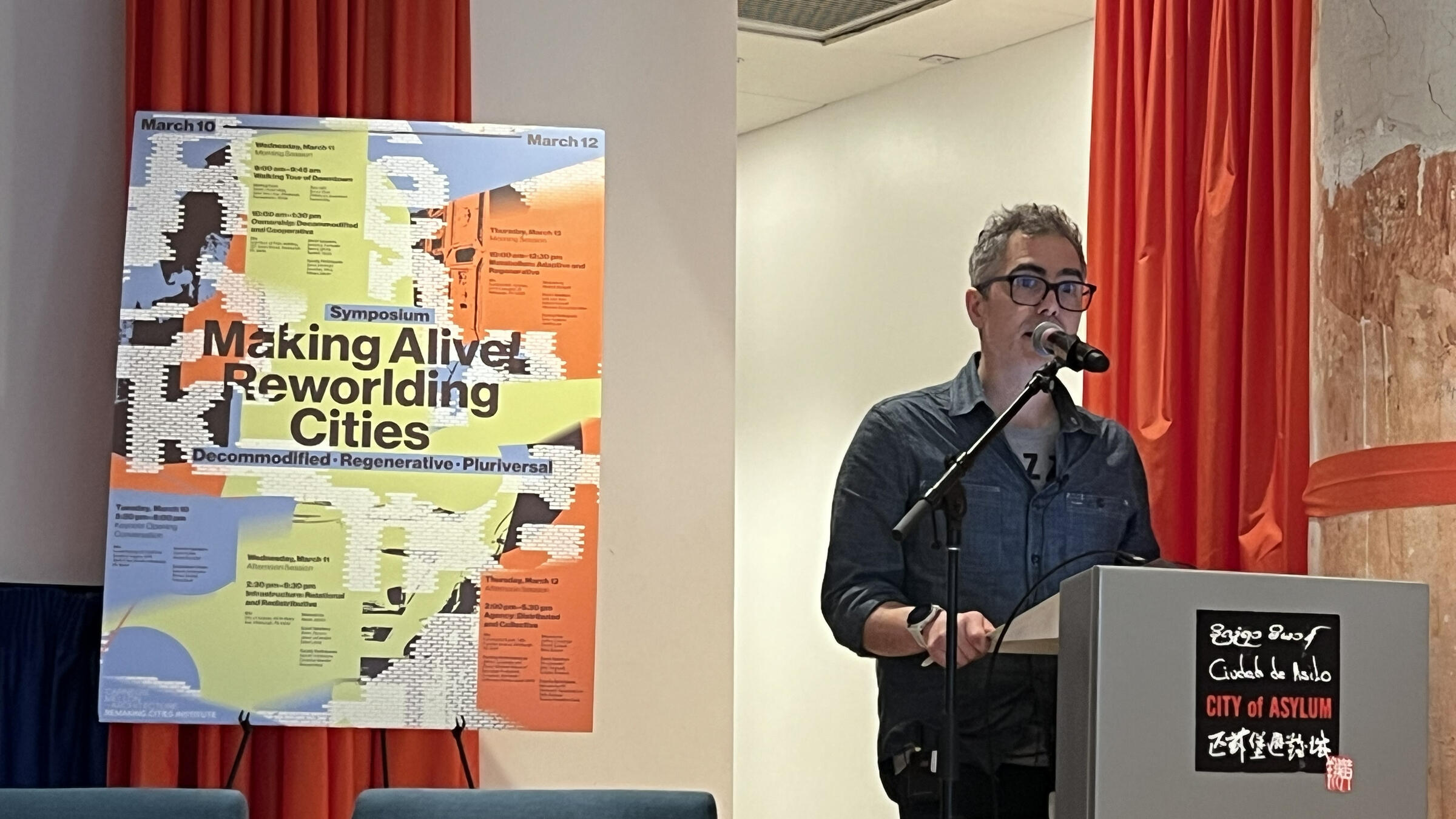
At City of Asylum, Rich Nisa introduced the infrastructure session in a bookstore and performance venue that serves as a sanctuary for exiled writers and a neighborhood anchor. Presentations by Karen Abrams, Jesse LeCavalier, and Clare Lyster explored how physical, social, and digital infrastructures shape relations between communities, ecologies, and institutions.
At City of Asylum, Rich Nisa introduced the infrastructure session in a bookstore and performance venue that serves as a sanctuary for exiled writers and a neighborhood anchor. Presentations by Karen Abrams, Jesse LeCavalier, and Clare Lyster explored how physical, social, and digital infrastructures shape relations between communities, ecologies, and institutions.
Metabolism: Adaptive and Regenerative
Tour of Construction Junction
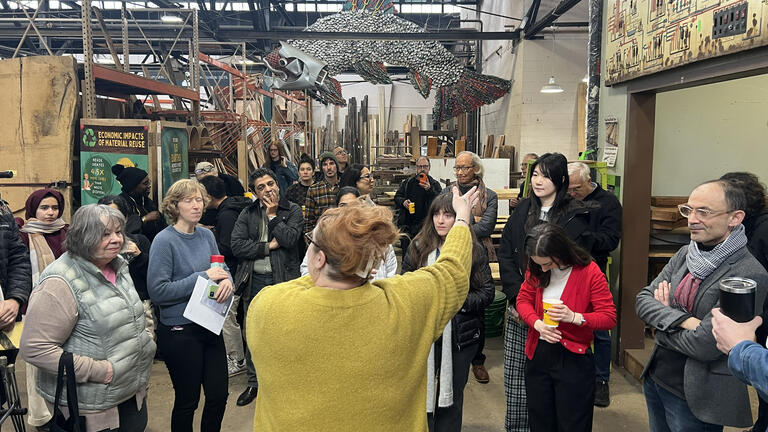
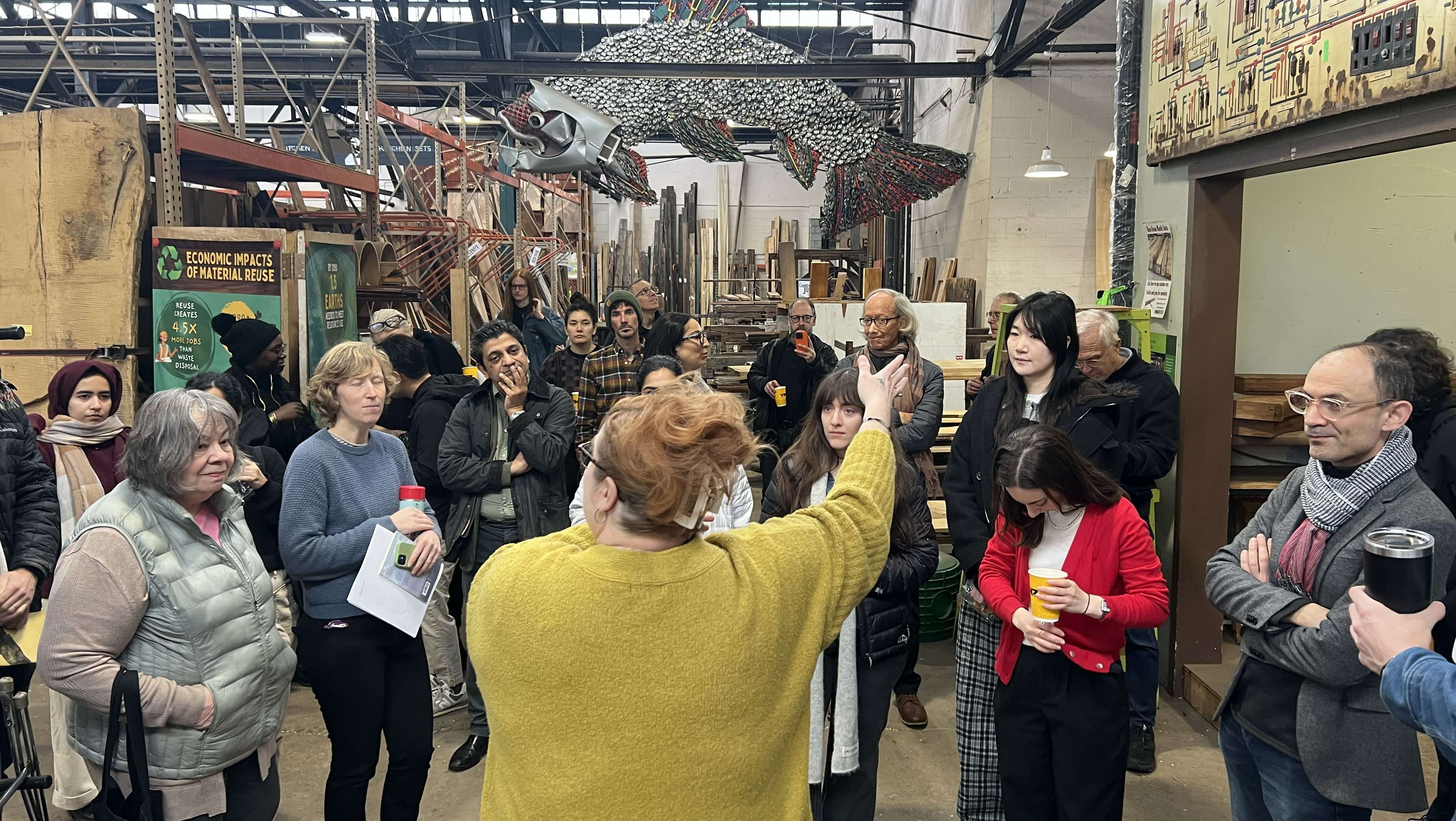
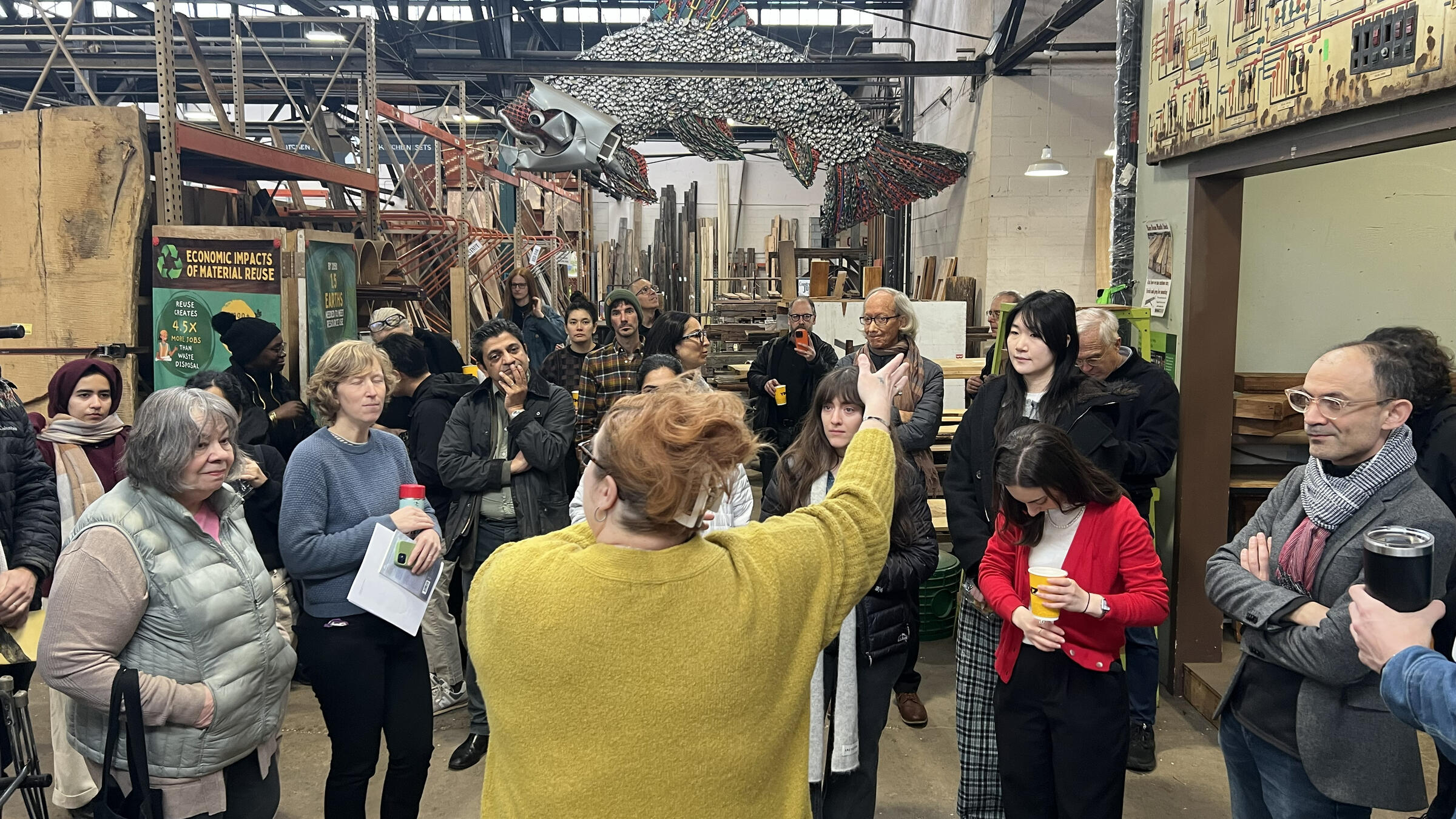
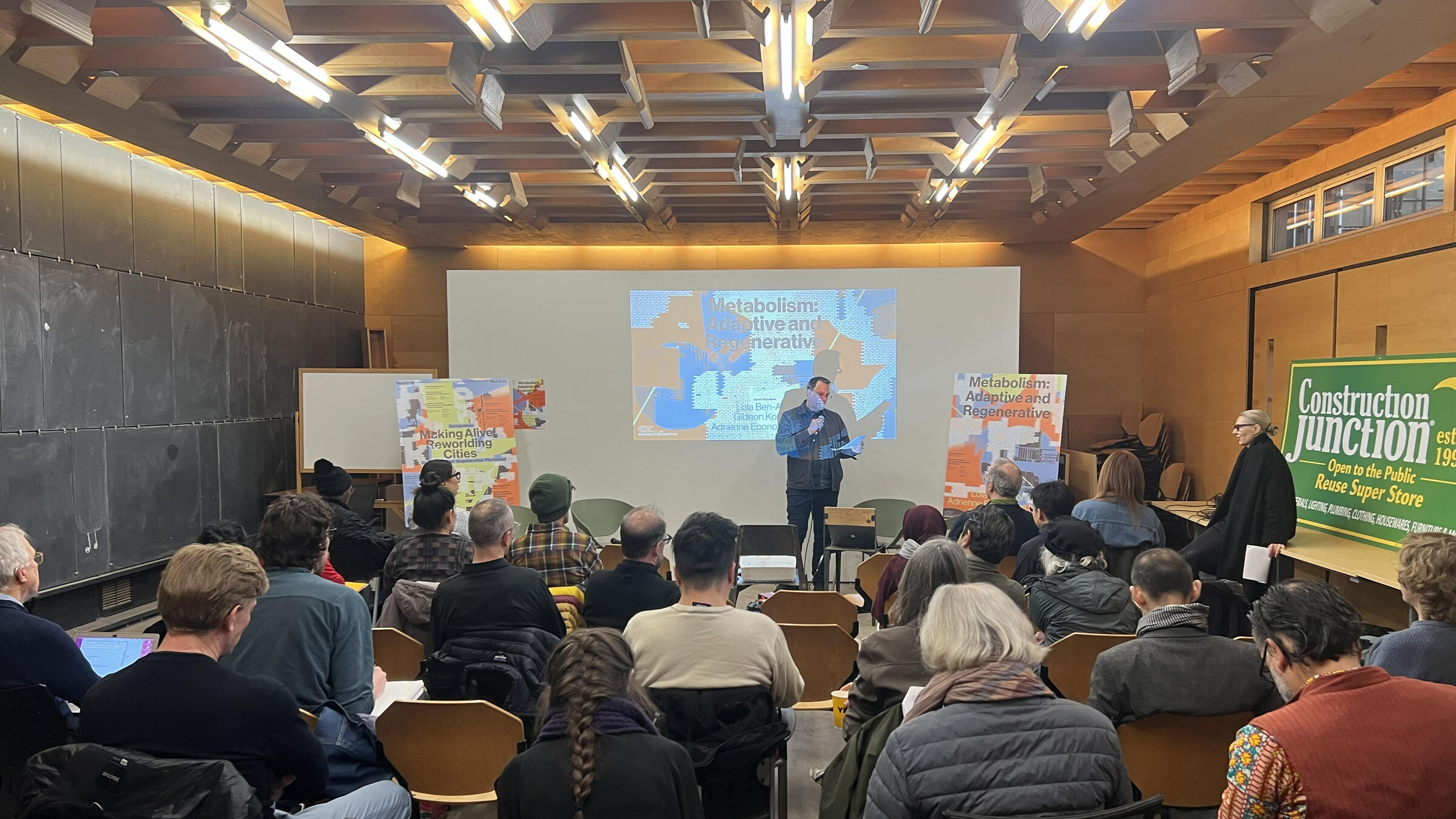
Melissa Mongelli led a tour of Construction Junction and reflected on the challenges and opportunities of building a circular economy.
Melissa Mongelli led a tour of Construction Junction and reflected on the challenges and opportunities of building a circular economy.
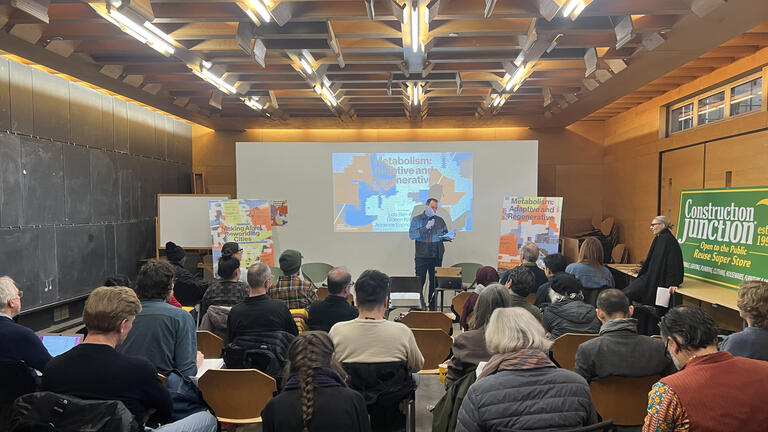
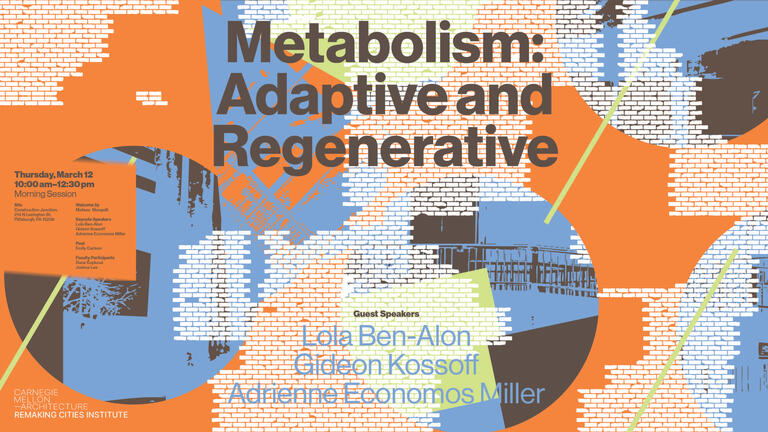
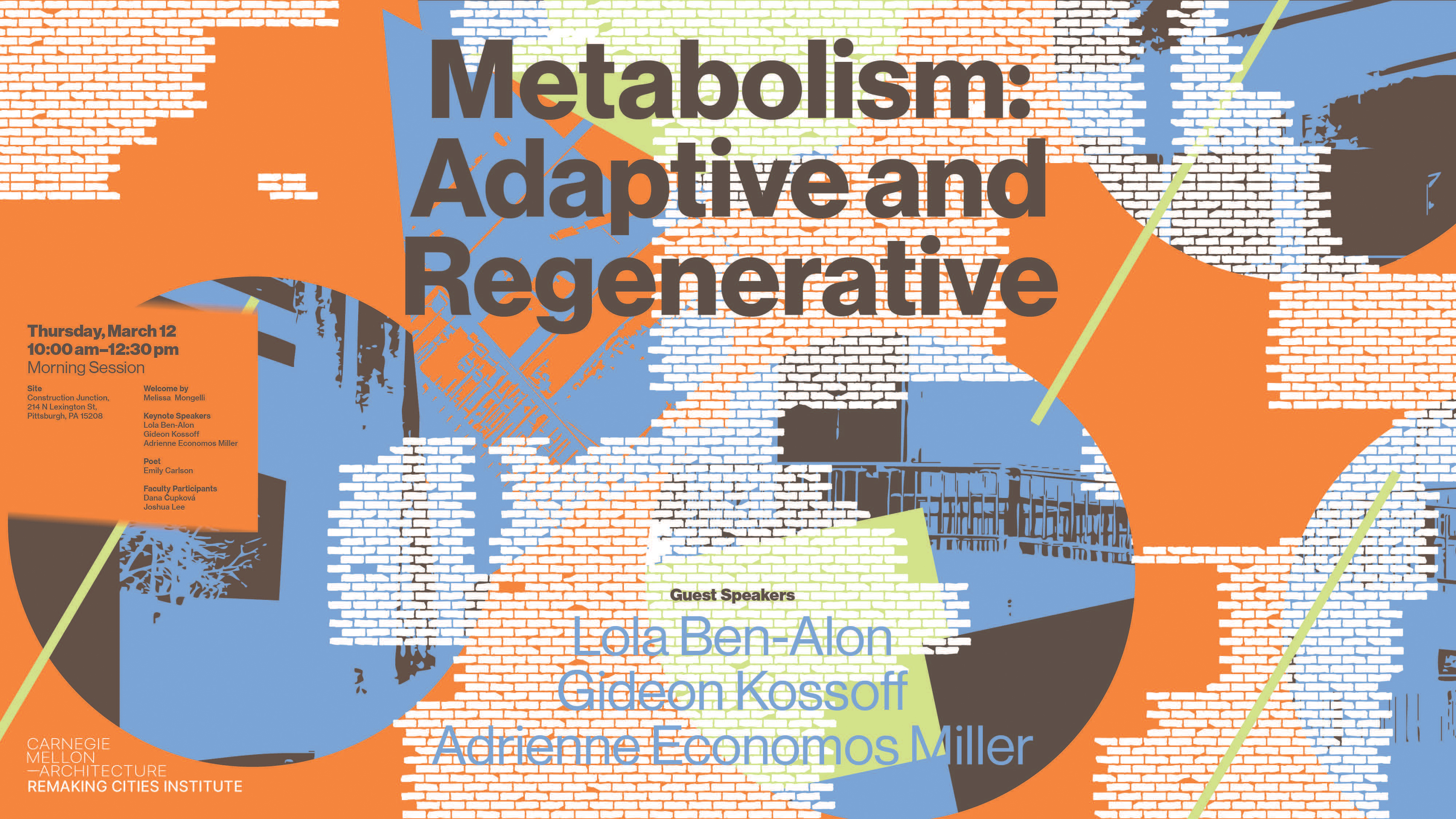
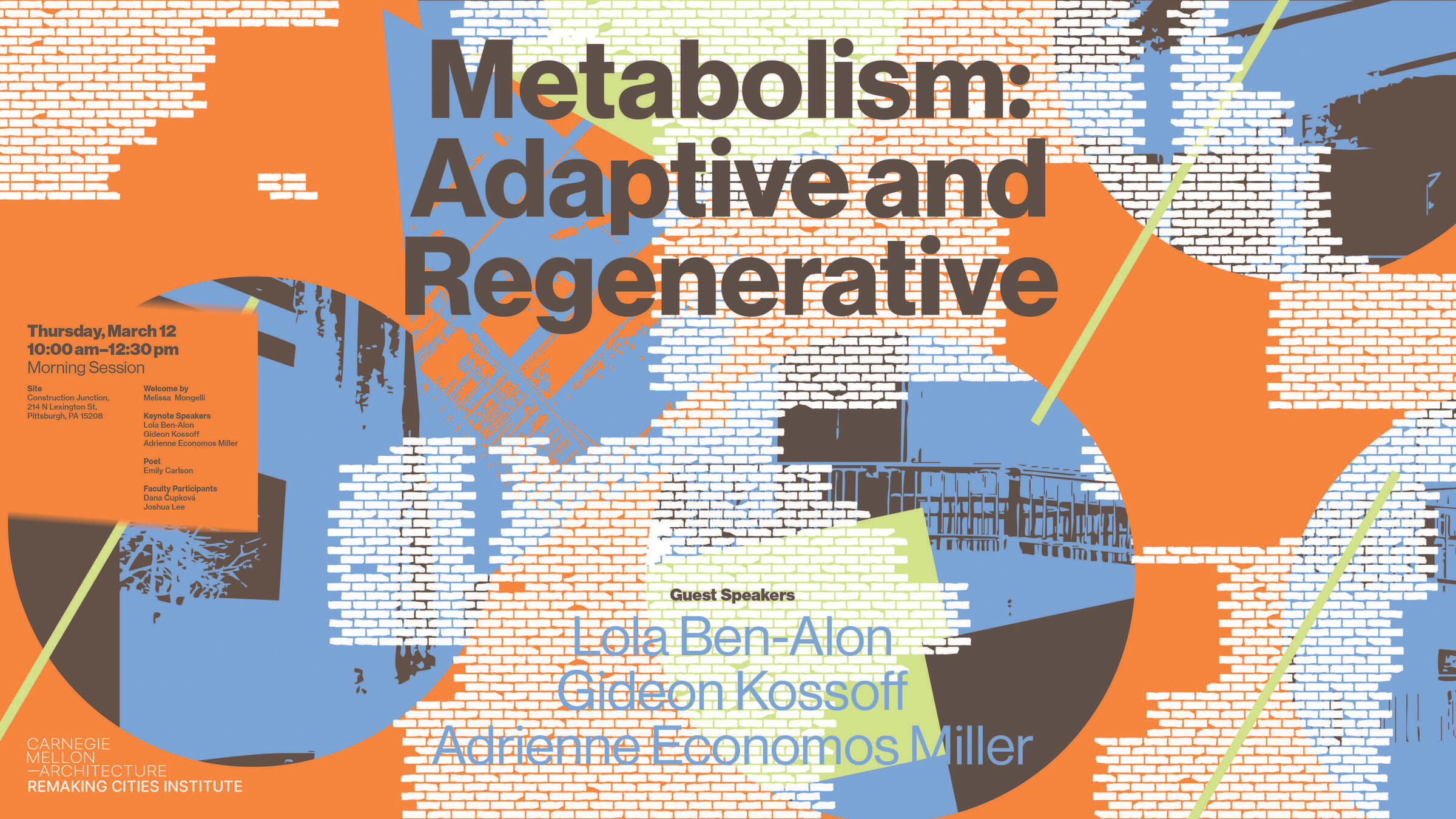
Metabolism: Adaptive and Regenerative
Joshua Lee and Dana Cupkova introduced the session on urban metabolisms with guest speakers Lola Ben-Alon, Adrienne Economos Miller, and Gideon Kossoff. Together, they explored how waste streams and regenerative materials can repair ecologies, close loops, and foster more reciprocal relations with land, water, and non-human life.
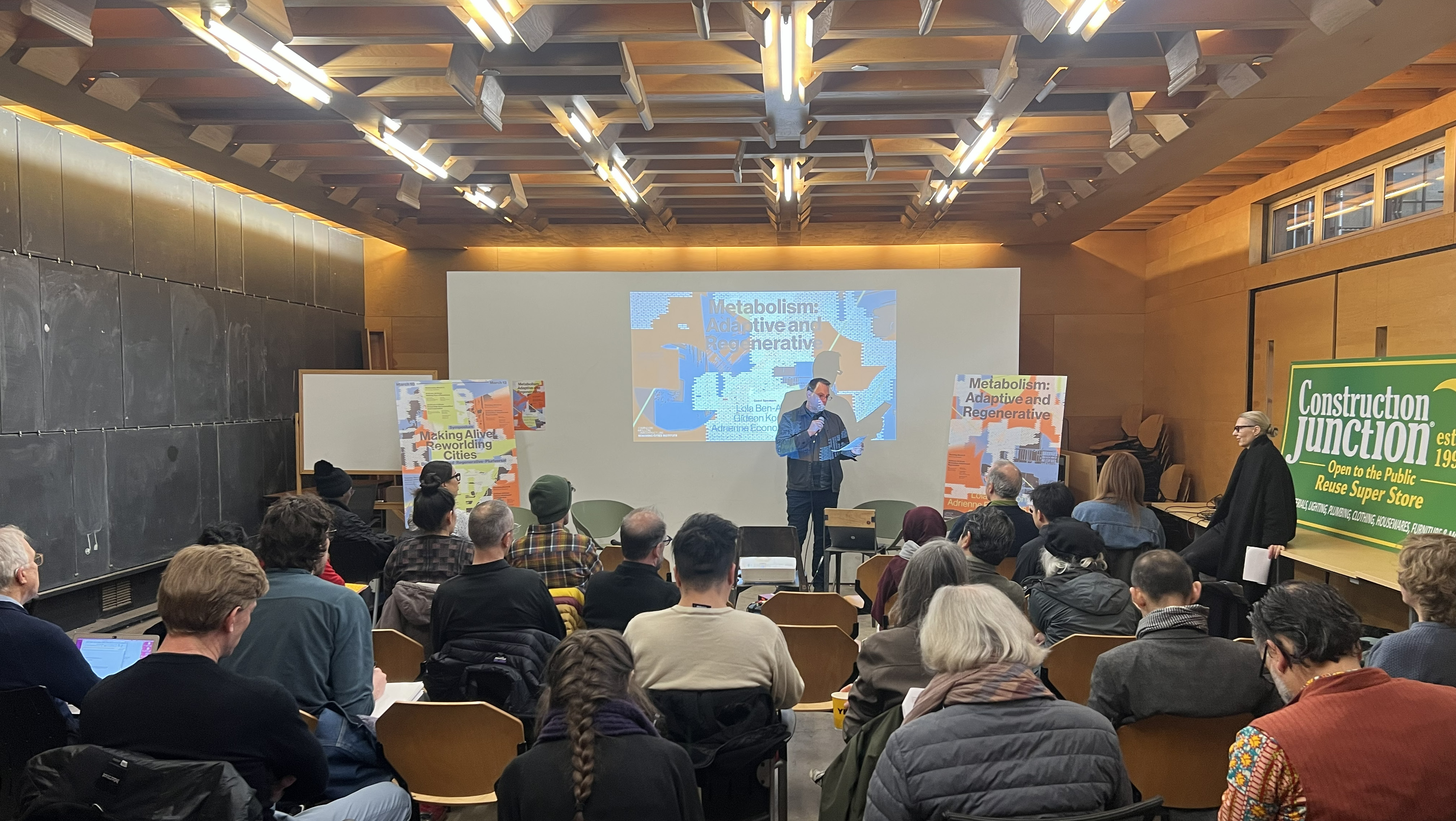
Joshua Lee and Dana Cupkova introduced the session on urban metabolisms with guest speakers Lola Ben-Alon, Adrienne Economos Miller, and Gideon Kossoff. Together, they explored how waste streams and regenerative materials can repair ecologies, close loops, and foster more reciprocal relations with land, water, and non-human life.
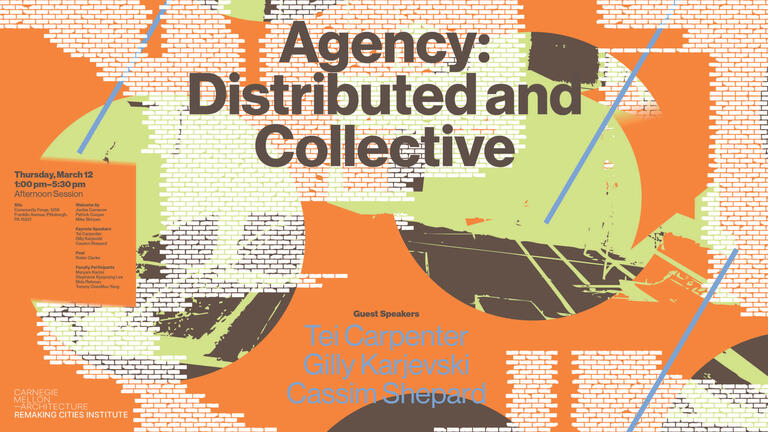
Agency: Distributive and Collective
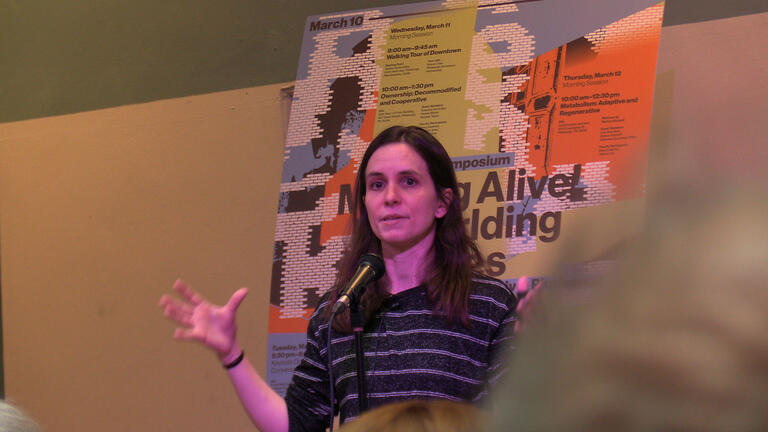
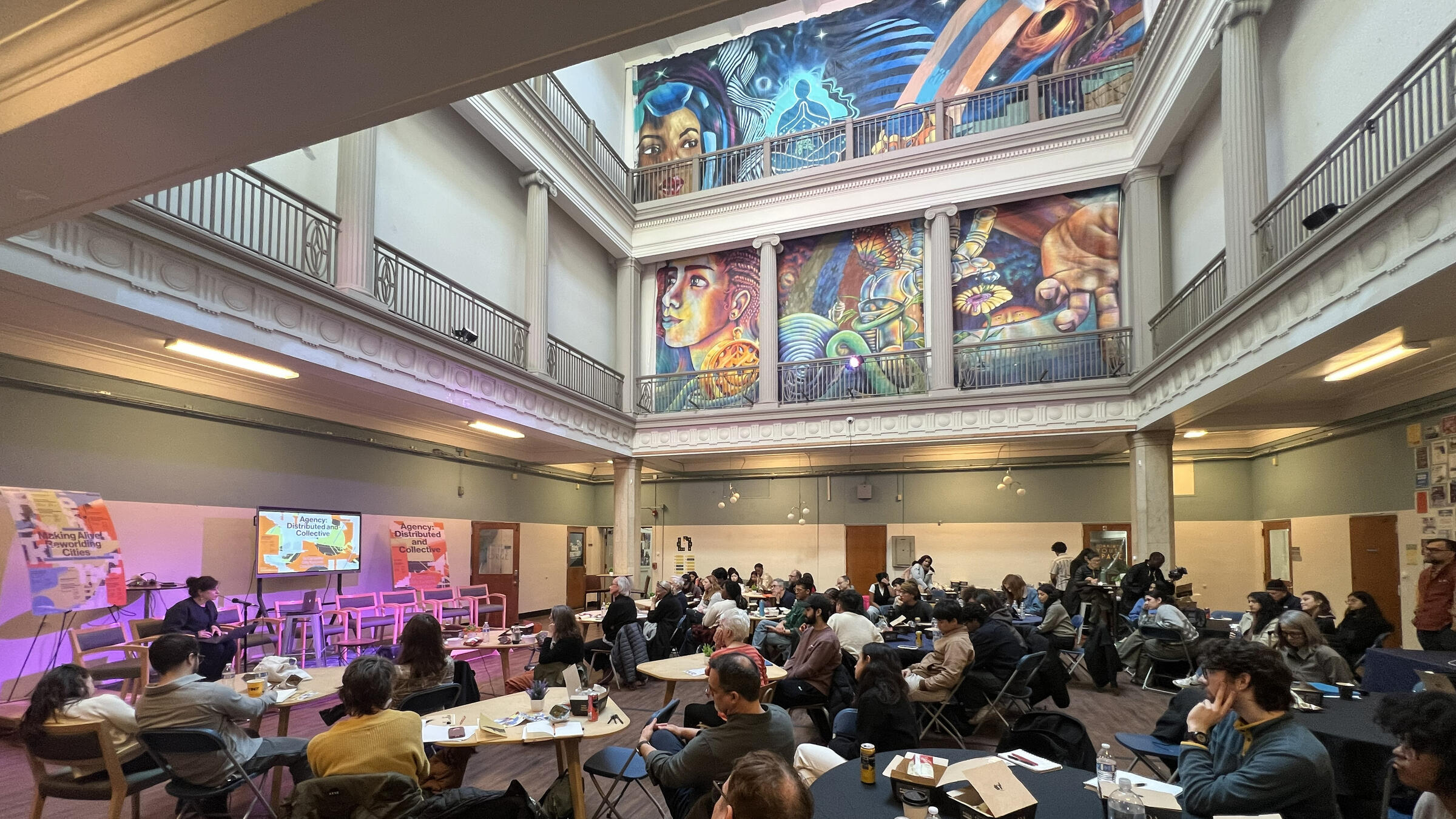
Community Forge
Jackie Cameron shared the story of transforming a vacant elementary school into a hub for entrepreneurship, after-school programs, crime prevention, and arts and culture. Since 2018, Community Forge has partnered with RCI’s Stefan Gruber to reimagine the building and its surroundings as vibrant civic space.
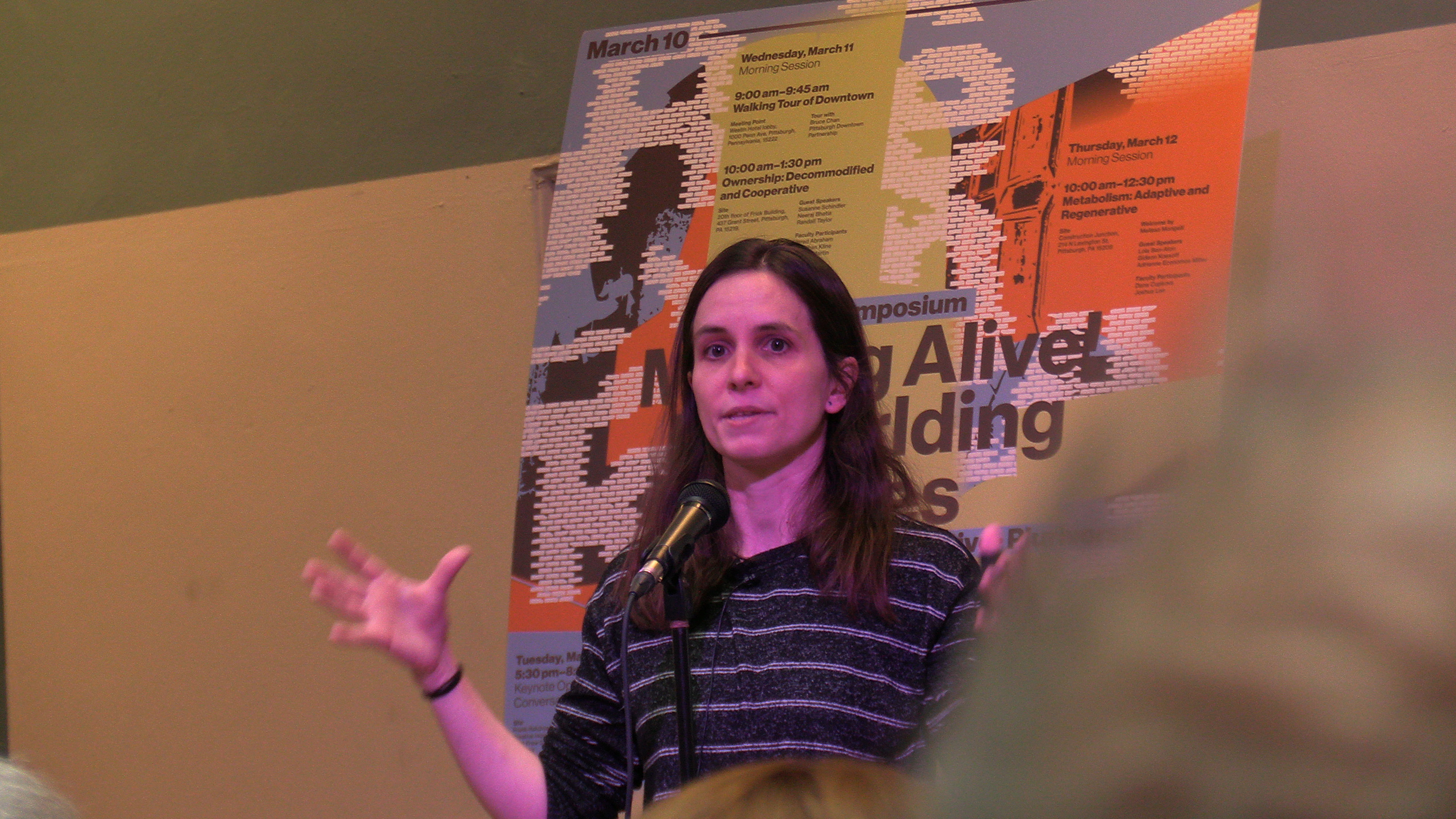
Jackie Cameron shared the story of transforming a vacant elementary school into a hub for entrepreneurship, after-school programs, crime prevention, and arts and culture. Since 2018, Community Forge has partnered with RCI’s Stefan Gruber to reimagine the building and its surroundings as vibrant civic space.
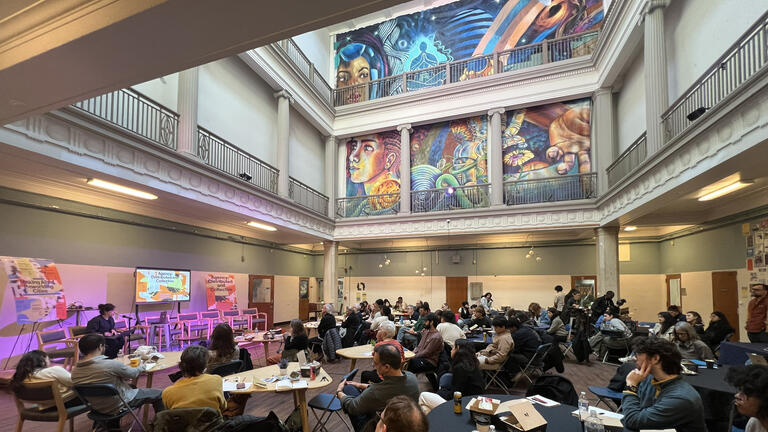
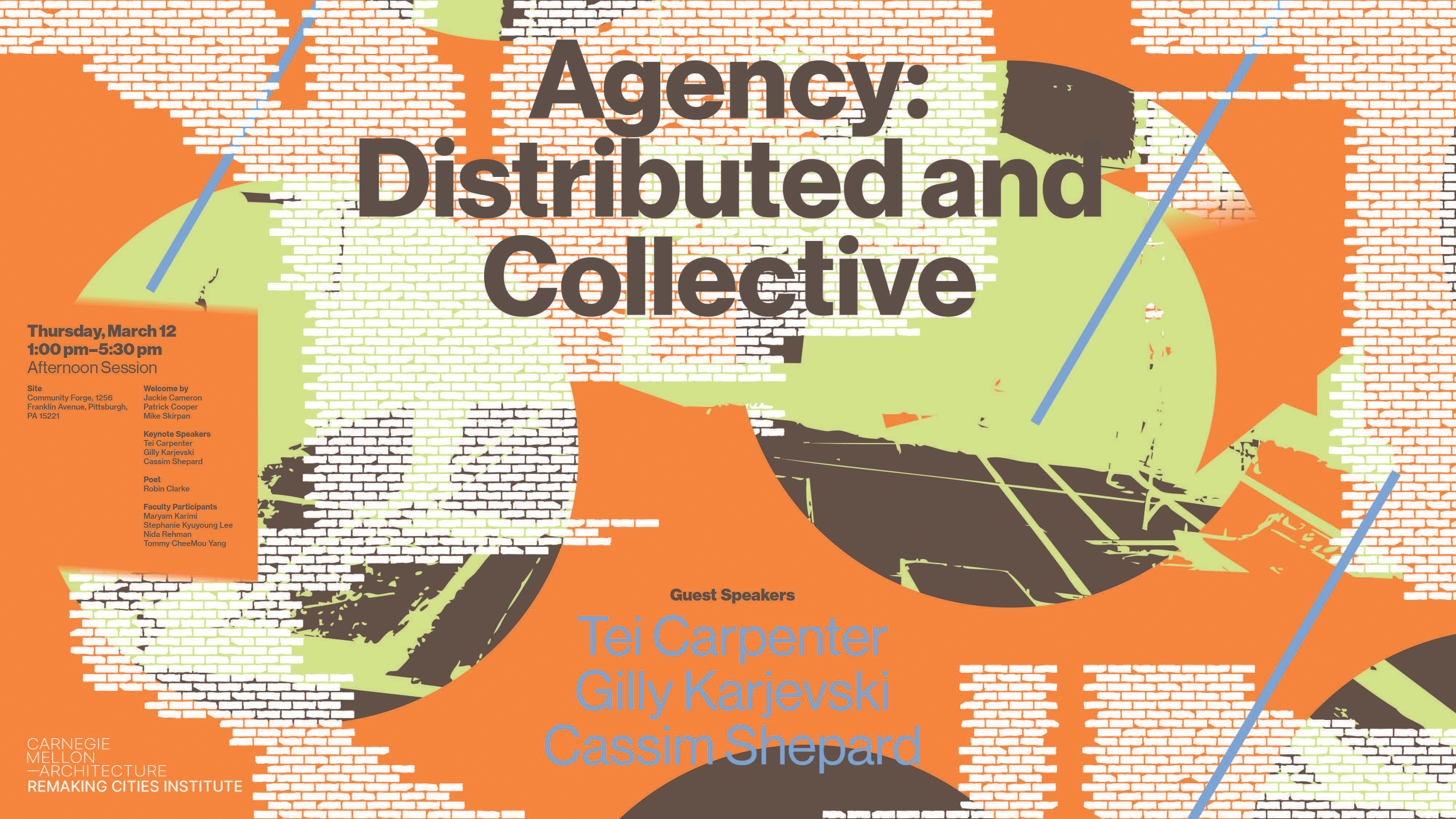
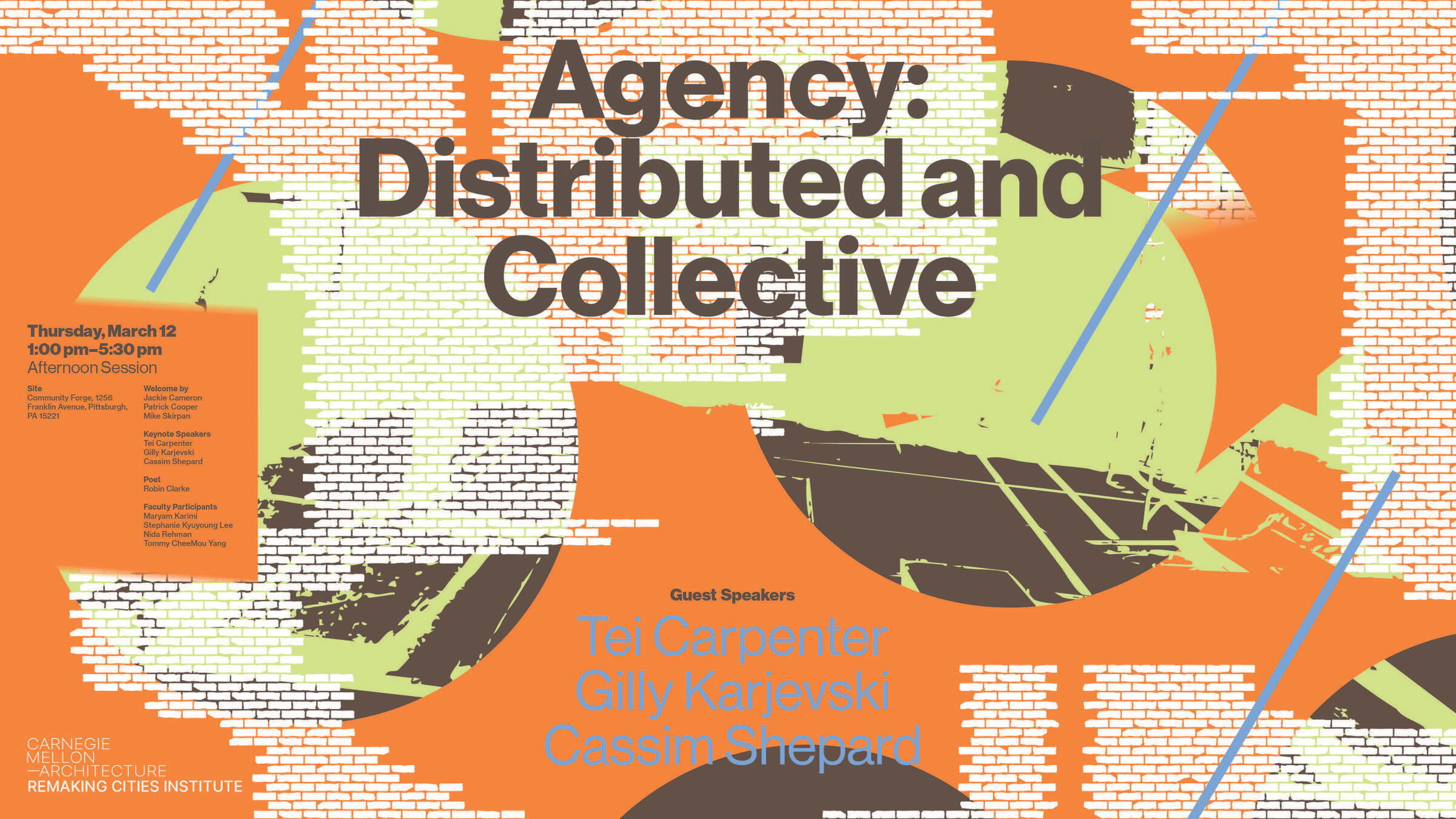
Agency: Distributed and Collective
Maryam Karimi introduced the session on agency with guest speakers Tei Carpenter, Gilly Karjevsky, and Cassim Shepard, joined in discussion by Stephanie Kyuyoung Lee, Tommy CheeMou Yang, and Nida Rehman. Together, they explored agency as a collective practice emerging through situated knowledge, ecological care, self-help housing, and shared forms of authorship beyond experts or markets.
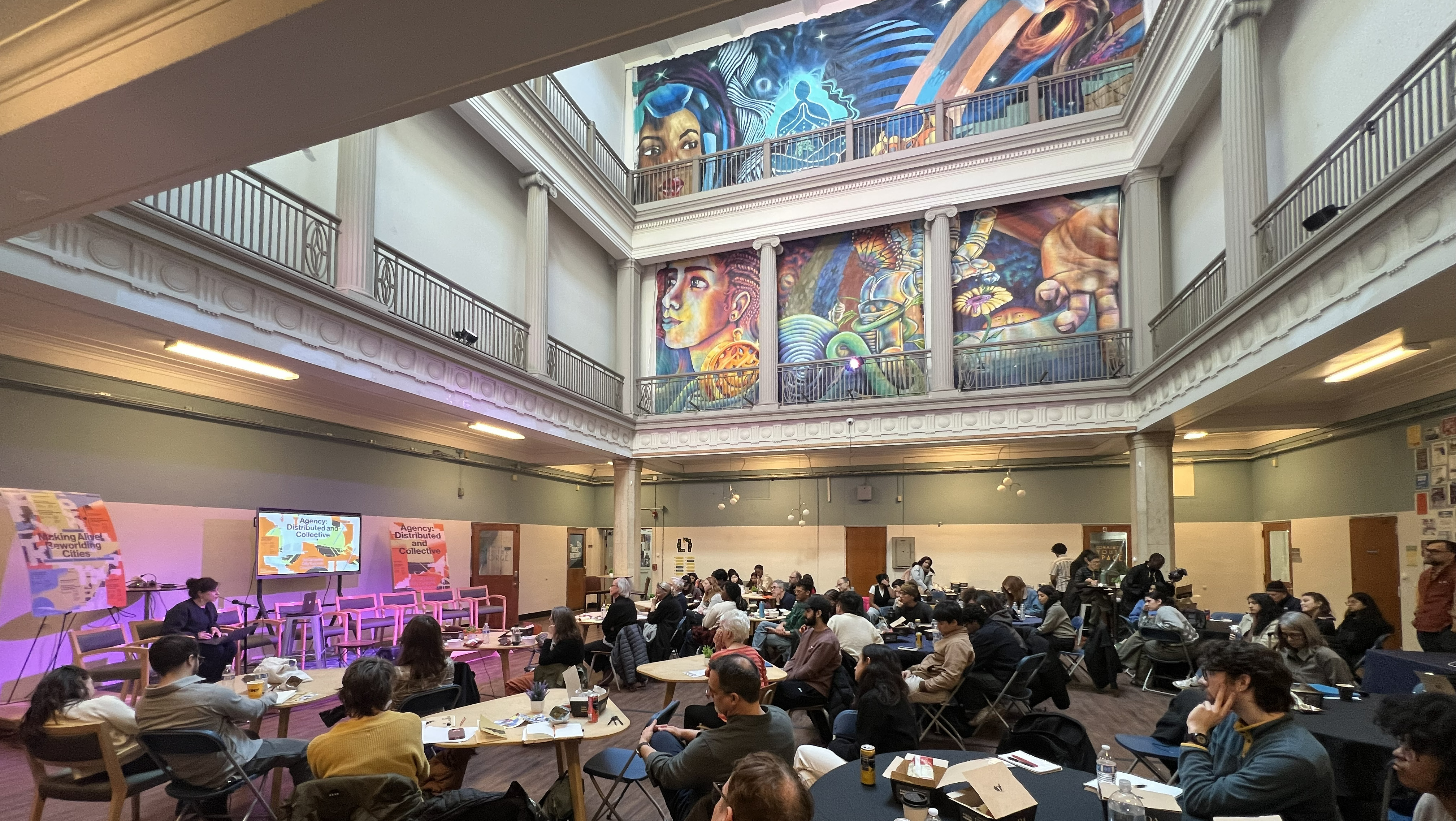
Maryam Karimi introduced the session on agency with guest speakers Tei Carpenter, Gilly Karjevsky, and Cassim Shepard, joined in discussion by Stephanie Kyuyoung Lee, Tommy CheeMou Yang, and Nida Rehman. Together, they explored agency as a collective practice emerging through situated knowledge, ecological care, self-help housing, and shared forms of authorship beyond experts or markets.
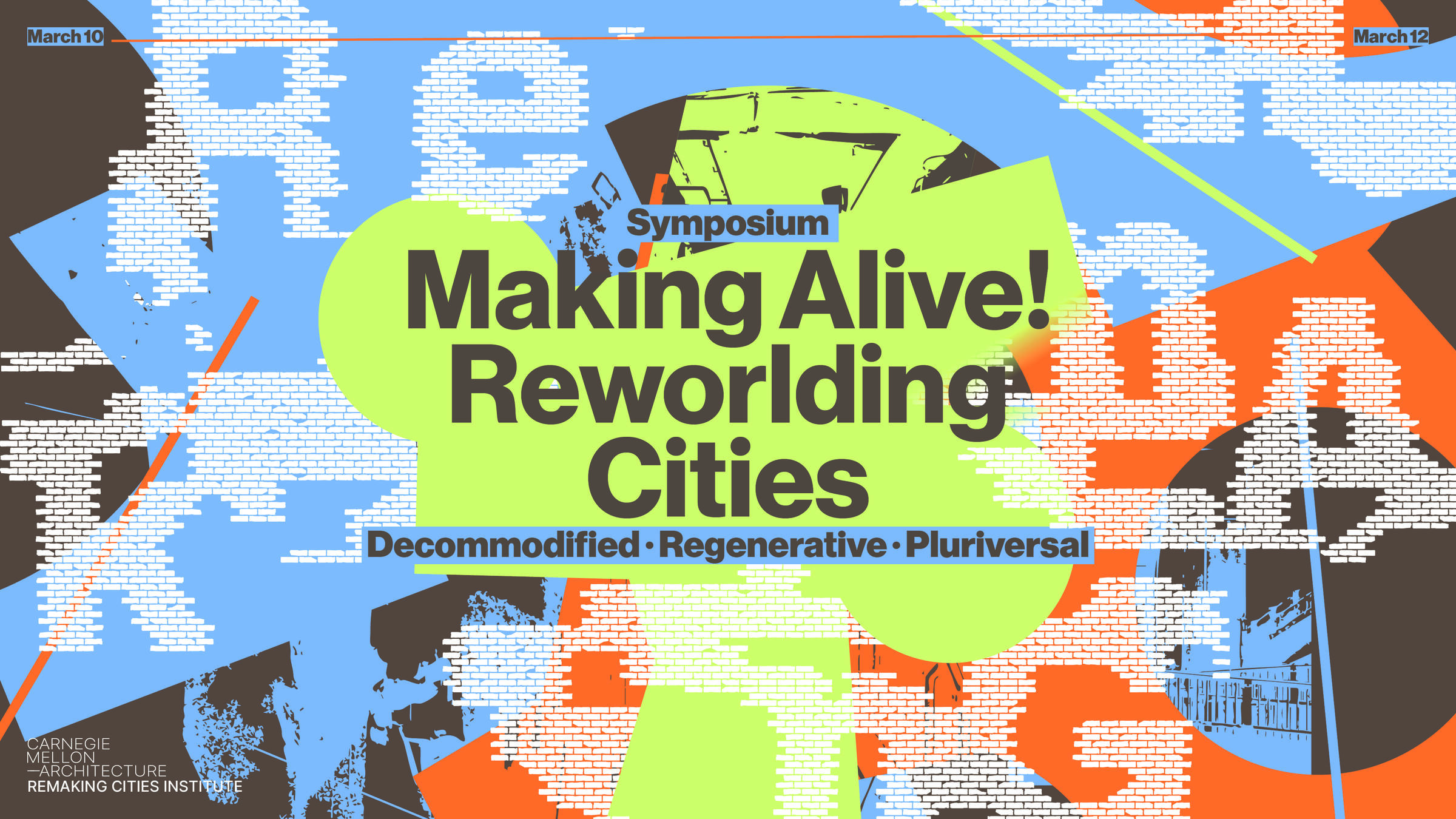
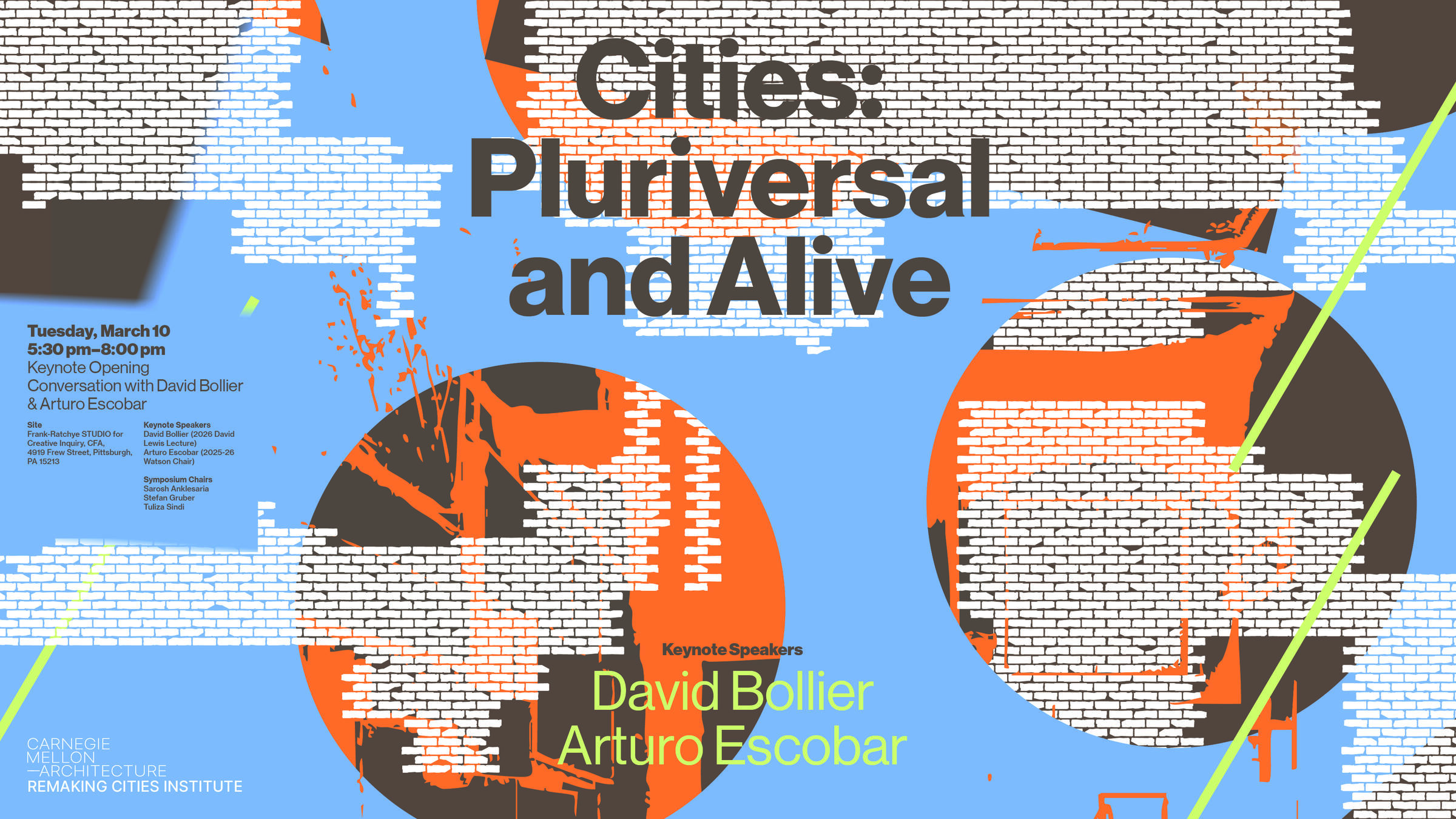
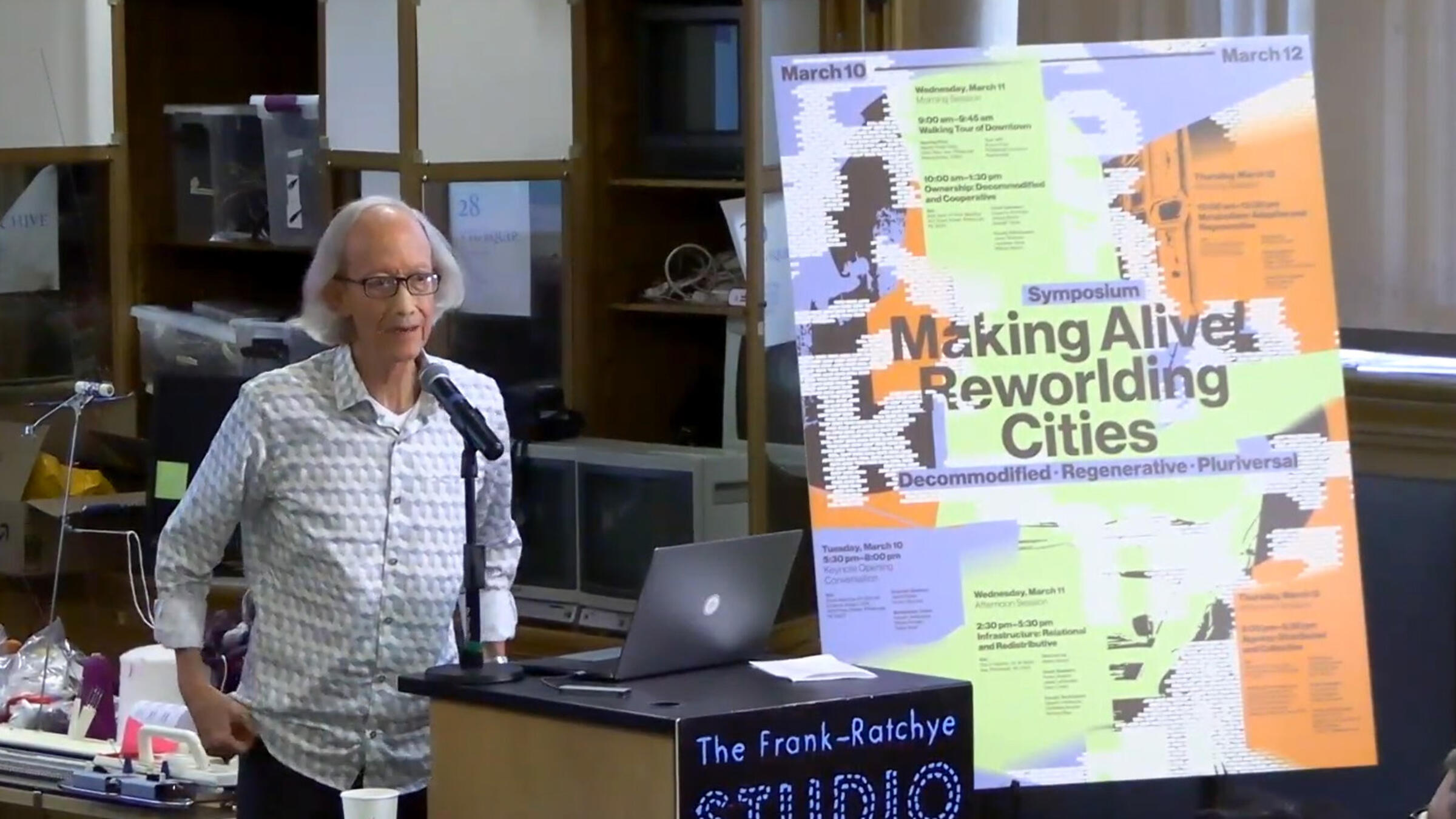
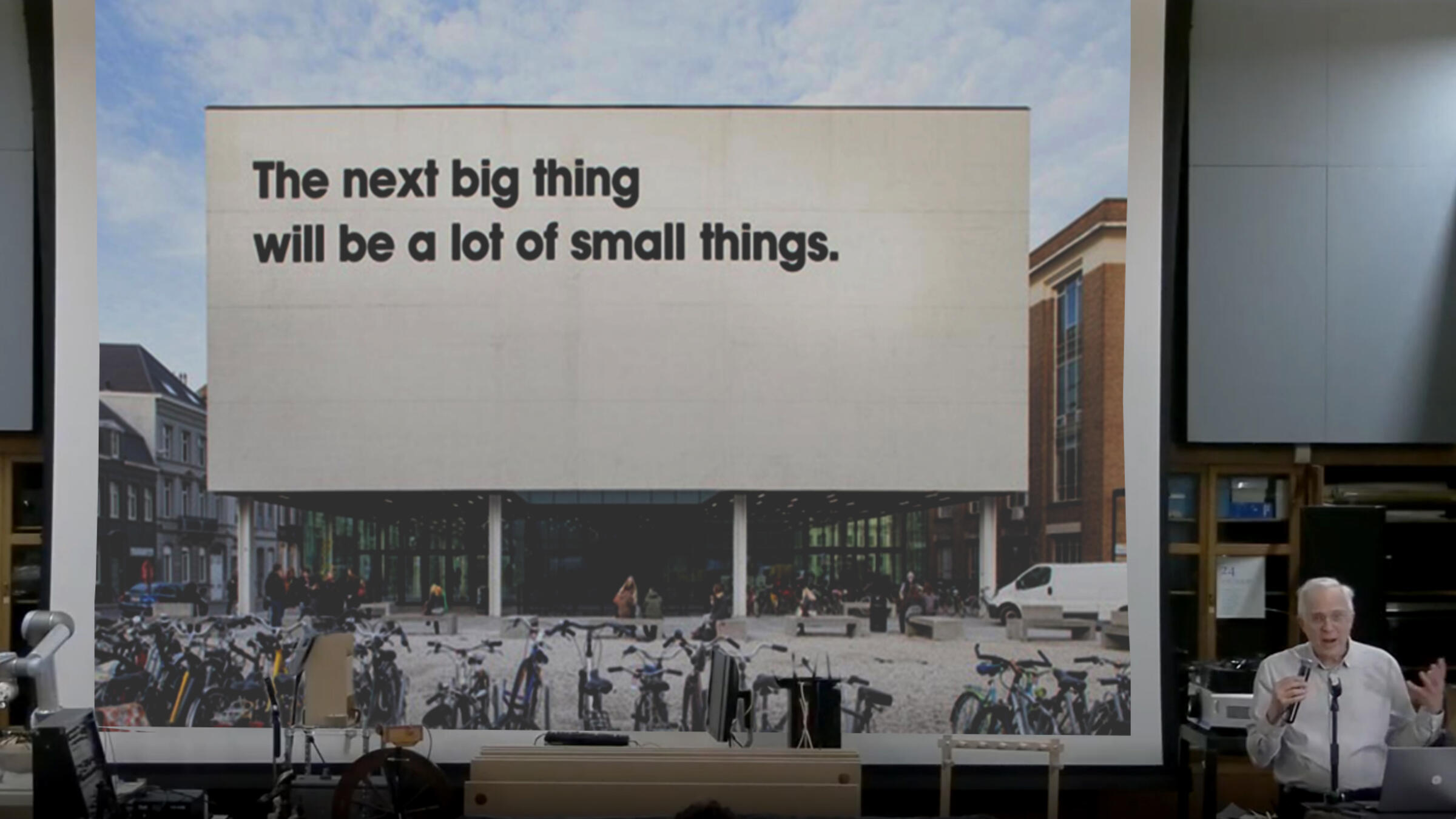
The program opened with a keynote dialogue between David Bollier and Arturo Escobar, whose work on the commons, relationality, and the pluriverse helped frame the symposium’s central premise: that cities can be reorganized around shared stewardship, ecological repair, and collective flourishing rather than commodification and separation. Structured through four themes—ownership, infrastructure, metabolism, and agency—the program unfolded across Pittsburgh, using the city itself as a forum for learning. A vacant office floor in the Frick Building addressed housing affordability and alternative forms of ownership; Route 65 and City of Asylum reconsidered infrastructure as both technical and social; Construction Junction anchored conversations on urban metabolism through reuse, repair, and regeneration; and Community Forge focused on distributed agency, neighborhood organizing, and collective world-making.
Additional guest participants included Karen Abrams, Lola Ben-Alon, Neeraj Bhatia, Tei Carpenter, Adrienne Economos Miller, Gilly Karjevsky, Gideon Kossoff, Jesse LeCavalier, Clare Lyster, Susanne Schindler, Cassim Shepard, and Randall Taylor, in conversation with faculty from the Carnegie Mellon University School of Architecture and the Carnegie Mellon University School of Design. Nearly four decades after the first Remaking Cities Conference in 1988, Making Alive! marked a new chapter for Pittsburgh and for urban discourse more broadly: shifting attention from economic recovery alone toward the deeper social, ecological, and political conditions that allow urban life to flourish.
The symposium was made possible through support from the Frank-Ratchye STUDIO for Creative Inquiry, PJ Dick, The New Institute, the David Lewis Lecture Fund, the Jill Watson Fund, the Rider Fund, and colleagues across Carnegie Mellon University.