Remote video URL
Newsletter v045: Congratulations to the Class of 2026!
Image
Dear School of Architecture Community,
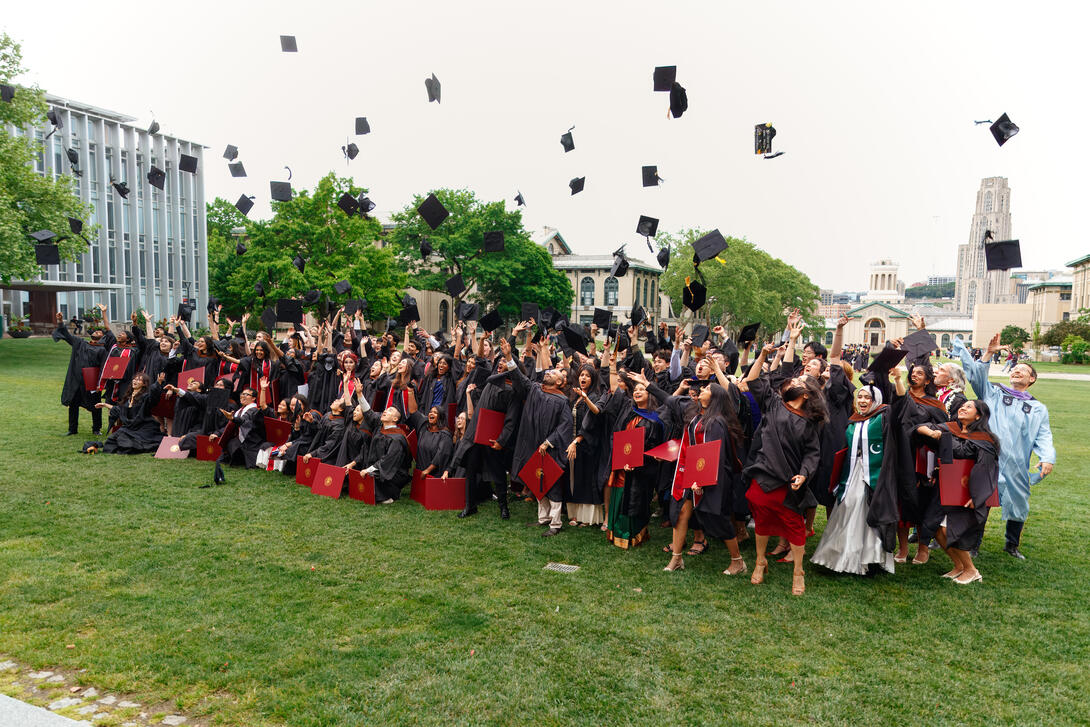
Congratulations to our Class of 2026, and to their families and loved ones, on their wonderful achievements!
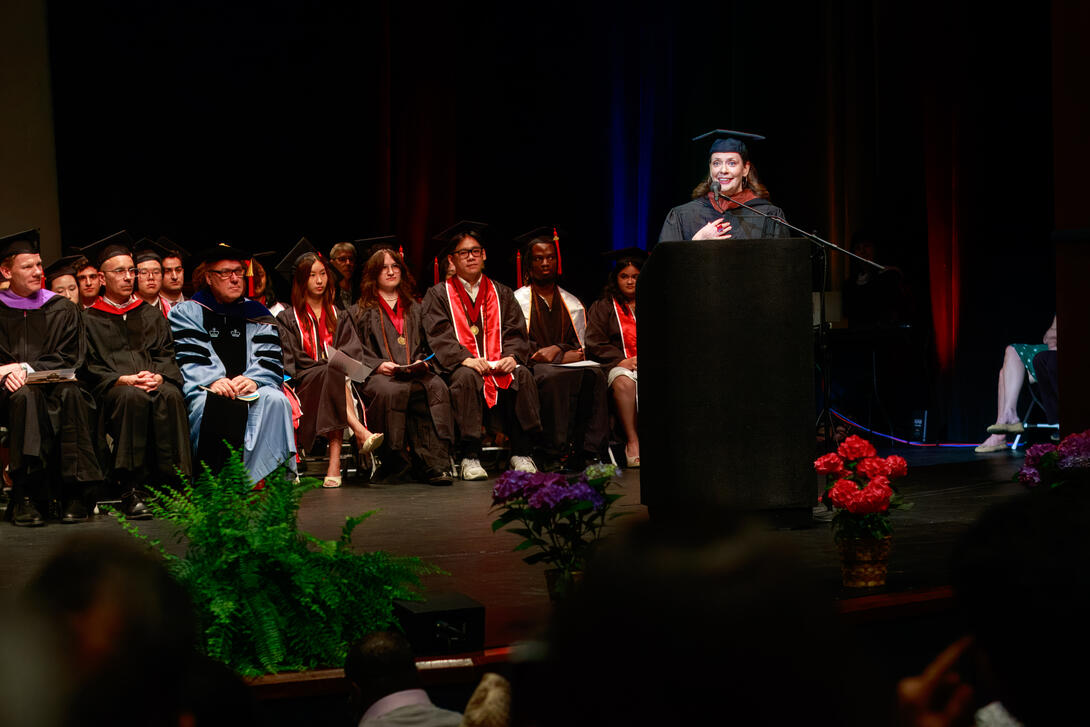
This year, because of a large graduating class, we conducted two separate but consecutive diploma ceremonies with our undergraduate students going first followed by our graduate students. This allowed us to accommodate more families and friends in the Philip Chosky Theatre to celebrate the Class of 2026. We had two wonderful speeches from graduating students Aayush Saxena (B.Arch '26) and Dr. Suzy (Zekun) Li (PhD-BPD '25), as well as our alumni speaker Rachel Zsembery (B.Arch '00), who shared with us how her CMU education provided her the tools to lead an innovative design collaborative as President and CEO of Bergmeyer. Read on in this newsletter to learn more about Rachel and her message to the graduates.
At this year's CMU Spring Carnival, we hosted alumni celebrating reunions from the Classes of 1991 (35th), 2001 (25th), 2011 (15th), and 2016 (10th). It was great to see so many different faces and share with you the latest activities of the school. As in past years, the school designed and built this year's Spring Carnival entrance pavilion. This year's design was conceived and constructed by the Architectural Crafts Collective (ACC) student organization. Titled, "Frame by Frame," the gateway incorporated seating and shading into the overall design, and it has now found a second life as outdoor furnishings for a tea cafe in Millvale.
Reflecting back on this year's newsletters, we delved into the rich research environment at Carnegie Mellon Architecture through profiles exploring the exciting research coming out of three of our research groups: the Center for Building Performance and Diagnostics (CBPD), the Computational Design Laboratory (CodeLab), and the Remaking Cities Institute (RCI). Our centers, labs, and research programs, in combination with our exceptional professional programs — the Bachelor of Architecture and Master of Architecture — distinguish us from our peers. Despite the difficulties currently facing research opportunities in higher education, our faculty continue to be productive in pursuing their work. In the coming year, we look forward to sharing more of the work of our labs and Ph.D. students with you.
This year was particularly difficult for many students, especially those graduating, due to the uncertainty and changing conditions surrounding employment and the war in the Middle East. Myriad challenges will continue to persist over the coming years, but it has been through the support of our alumni that many of our graduates have found employment opportunities. I am grateful for the generosity of time and commitment that alumni have given, including the more than 40 alumni that returned to campus to participate in our Interchange career fair this past February. I look forward to building on this success at next year's Interchange, so please reach out to Director for Career Development Opportunity Lori Claus (lclaus@andrew.cmu.edu) if you'd like to participate.
Thank you all for a wonderful and productive year. I wish you an excellent summer. Please stay in touch — and send us photos of your time at CMU for us to share.
Omar Khan
Professor & Head of School
Professor & Head

Image
Image
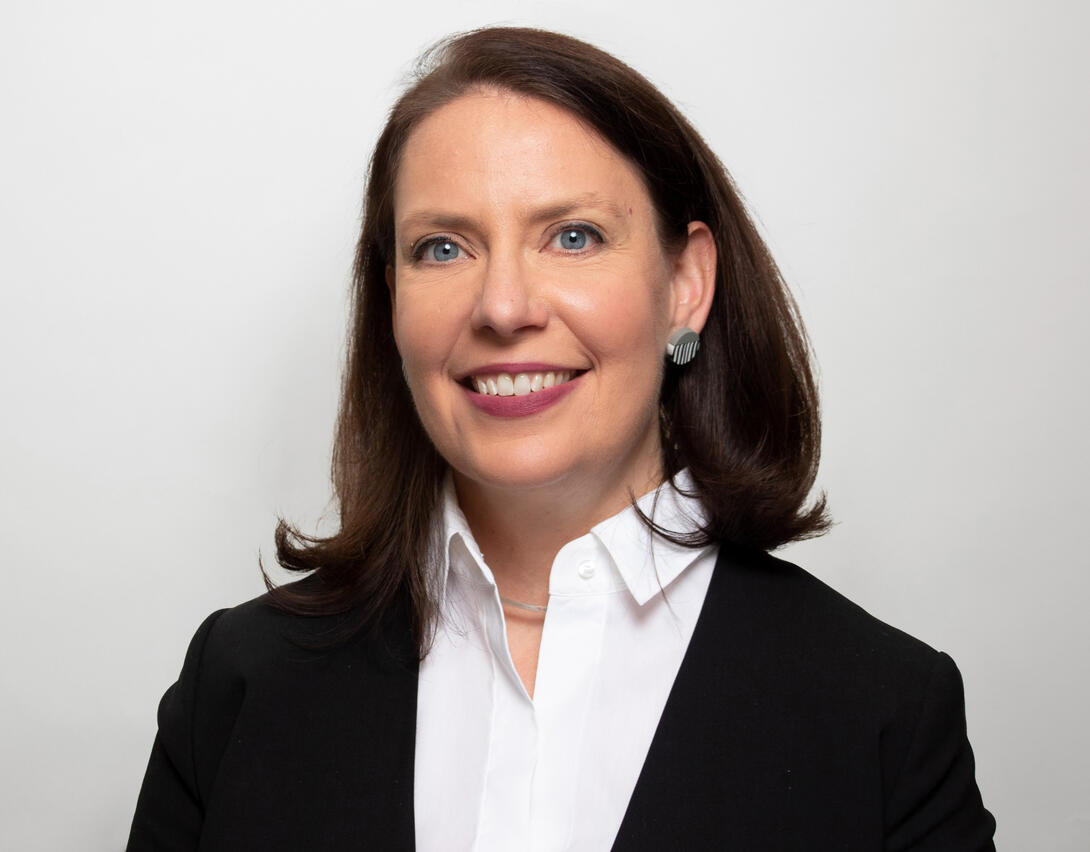
For Rachel Zsembery (B.Arch '00), architecture has never been just about buildings.
Zsembery is President and CEO of Bergmeyer, a design collaborative and Certified B Corporation with offices in Boston, Columbus and Los Angeles.
In a pair of graduation ceremony addresses to CM–A's undergraduate and graduate students on May 8 and a wide-ranging conversation thereafter, she provided an inspirational roadmap to people-centered design, through a skill set she calls "architecture AND."
(Block quotes are directly quoted from Zsembery's graduation ceremony addresses.)
Architecture and strategy. Architecture and industrial design. Architecture and climate resilience. Architecture and community. That is where real innovation happens — not in the silos, but in the connections between them.
The boundaries around architecture education, especially at an interdisciplinary powerhouse like Carnegie Mellon, have always been contested. Some educators insist on a curriculum shaped by time-tested principles of architectural design and construction, geared toward licensed professional practice; others go the "architecture as liberal arts 2.0" route, viewing the discipline as a path to all kinds of work, from urban planning to video game design.
Zsembery neatly sweeps these dichotomies to the side and invites — nay, urges — architects to have it all.
The problems facing communities today, she says, are too interconnected to be solved by one discipline operating alone. She invokes AI, climate change and social justice — coincidentally, CM–A's key areas of pedagogical focus — as challenges that must be solved interdisciplinarily and with devoted focus on humans: human designers, human users, human community members.
As you leave CMU, you are stepping into a profession that is evolving rapidly. You have the opportunity to help shape the future of practice, where design, technology, business, and social responsibility intersect; where inclusive design means centering voices too often overlooked, and bringing people to the table as co-creators; where designing for climate resilience is not a specialty, but a responsibility; and where the measure of great design is not only what it looks like, but who it serves, what it changes, and what kind of future it makes possible.
Narrow definitions of architecture, Zsembery cautions, are ill-suited to address the most pressing global and local challenges. "By expanding the box that architects and architecture have tightly put themselves in for the past 50 years," she explains, "we are able to create much richer solutions and really center people in our work. CMU taught me to be comfortable at the intersection of disciplines and to see curiosity as a design tool."
Zsembery's leadership team has restructured Bergmeyer to prioritize climate action and social justice as core to its business practice, becoming certified as a B Corporation for an added layer of accountability. Zsembery also sits on the steering committee for the Best SpacesTM Standard, a set of methodologies centering inclusive design and design outcomes.
These initiatives illustrate a key tenet of her leadership: people-centered design outcomes grow from systems, structures, and skill sets that prioritize them.
"Design alone doesn't create impact," she asserts. "Impact comes from the structures around the work, including who has a voice, how decisions are made, what gets measured, and whether organizations are willing to align their operations with their values."
A strong idea is only the beginning. The real work is carrying it forward: through people, process, evidence, collaboration, constraints, and the messy reality of making something matter.
Zsembery acknowledges the difficulty of sustaining the "real work of carrying ideas forward" over decades, especially when progress feels impossible or incremental. She encourages fellow leaders that being "people-centered" applies to firms' internal priorities, as well as their external community relationships.
Keeping this in mind, she and Bergmeyer hold mentorship and coaching as integral components of design practice, and she urges others to do the same. Zsembery herself benefits from the mutual support, accountability, and problem solving she finds in a peer-mentorship group with other women leaders in the design industry. Over the course of 15 years together, they have navigated the complexities of leadership, career evolution, and sustaining momentum through personal and professional milestones.
And Zsembery views her connection with CM–A as an opportunity for continued mentorship, as well: "One of the things I value most about the Carnegie Mellon Architecture community is how generous alumni are with students and young professionals. I try to do the same when any Carnegie Mellon student reaches out, to help them work through whatever questions they have, or simply to understand how vast, and how perhaps different from their expectations, the profession is. As an alum, it's one of my greatest joys and responsibilities as we continue to evolve the profession."
It's in those conversations — and in the priorities and systems they engender — that Rachel situates people-centered design. As she told the Class of 2026, designers must constantly be asking: "Who is this for? What are their needs? And how do we get there — together?"
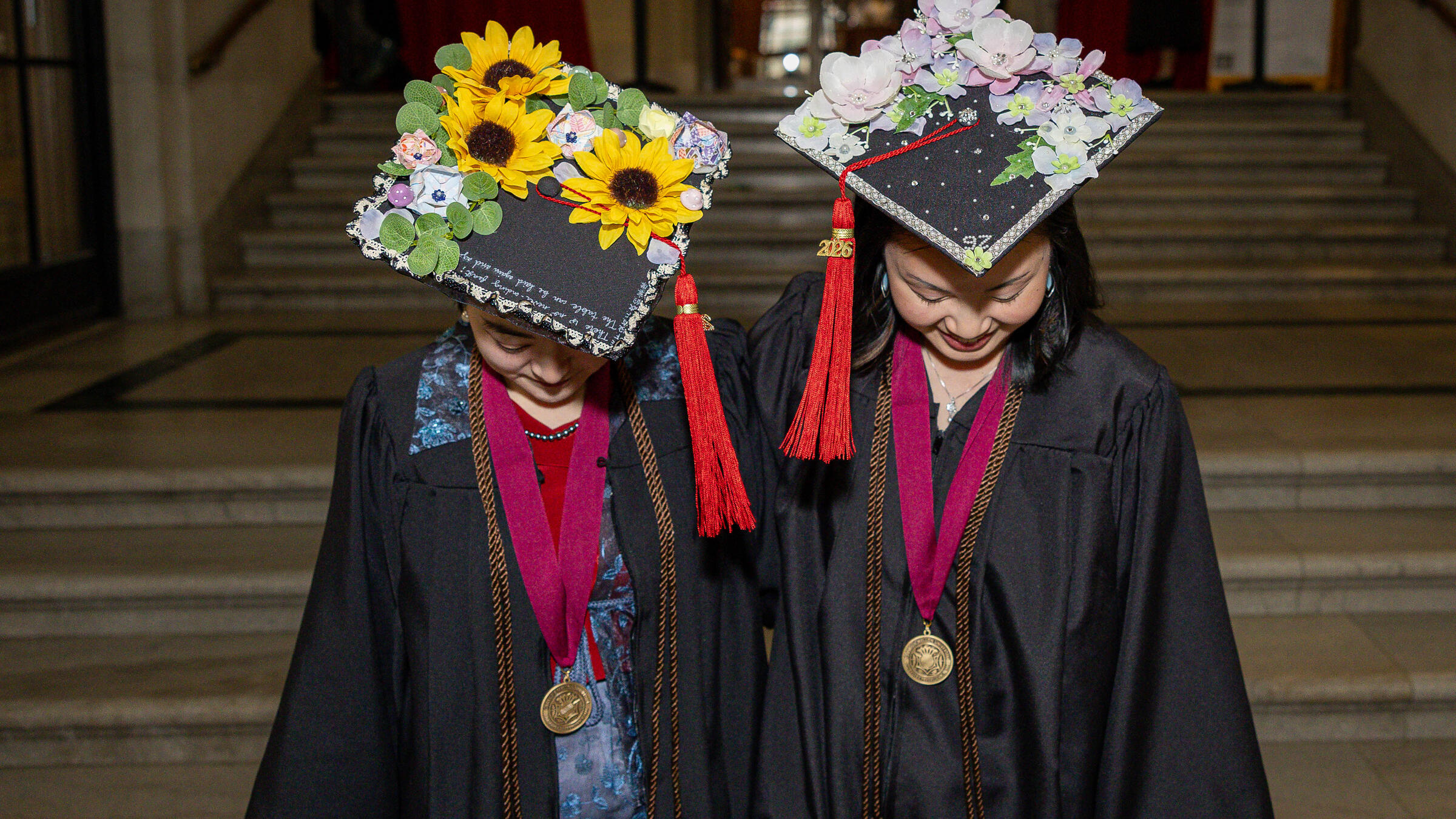
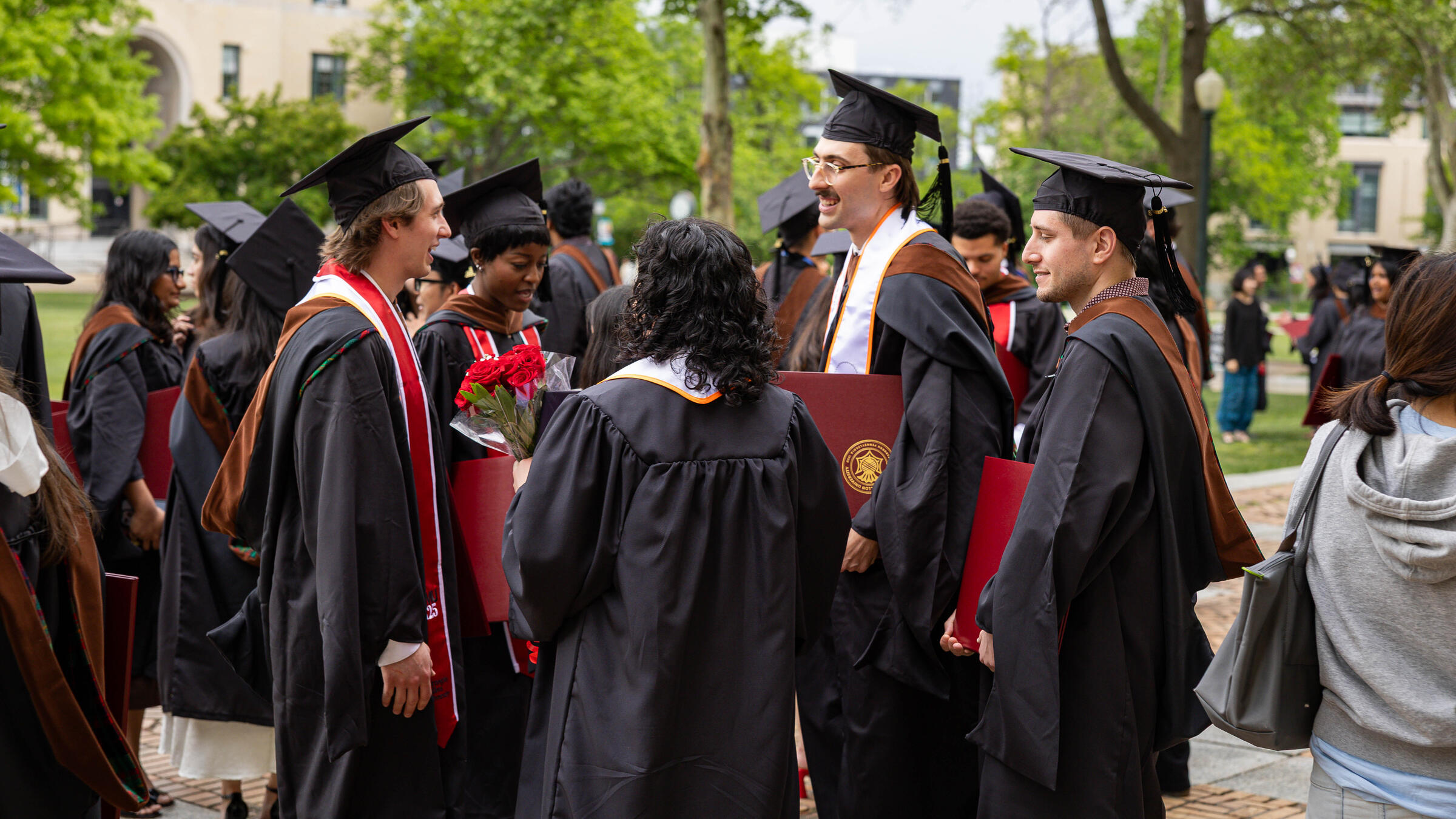
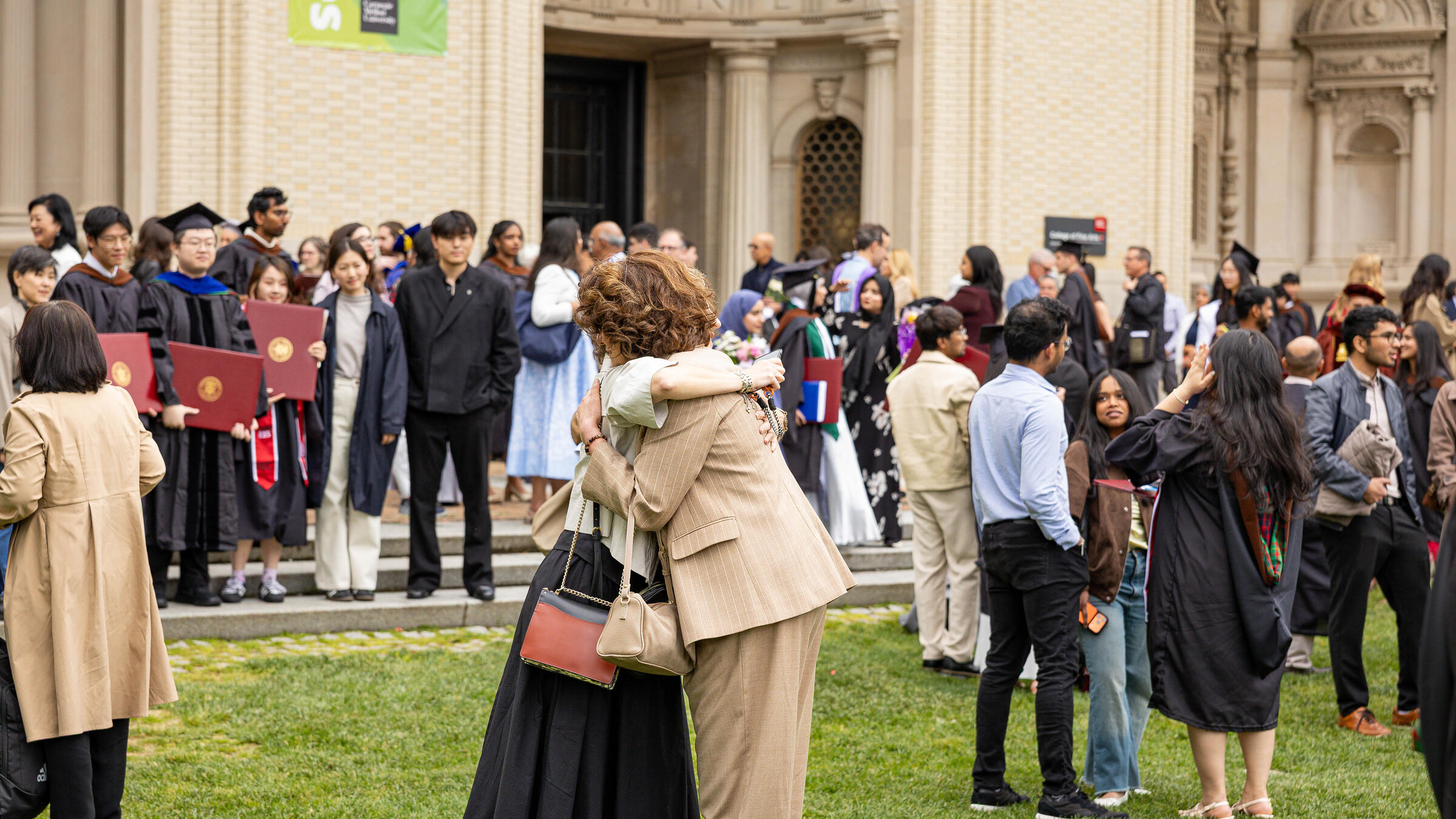
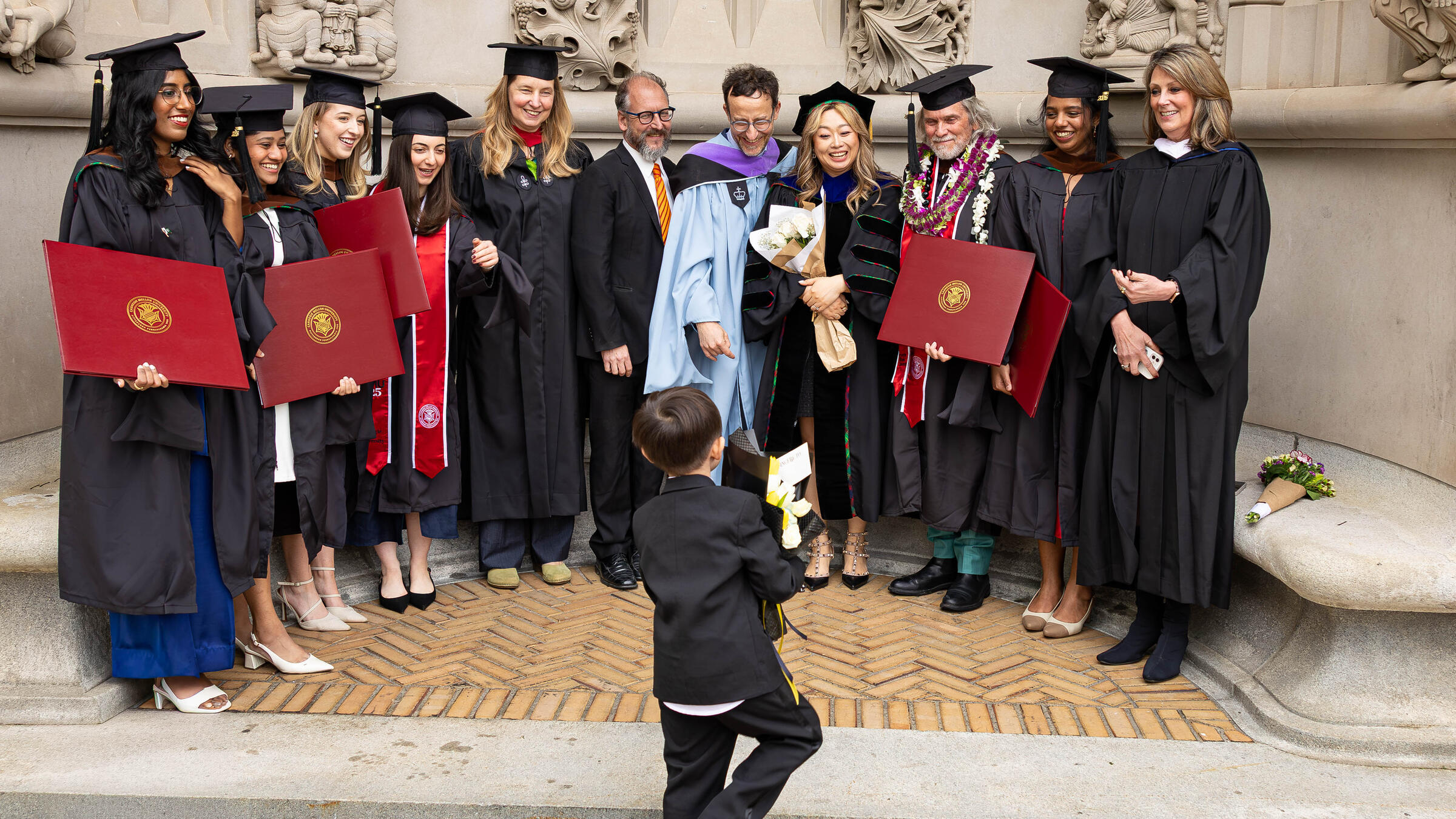
Memories from the 2026 Diploma Ceremonies
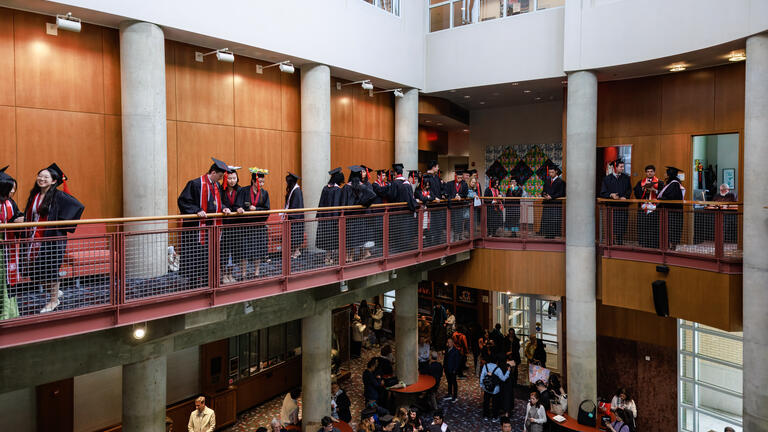
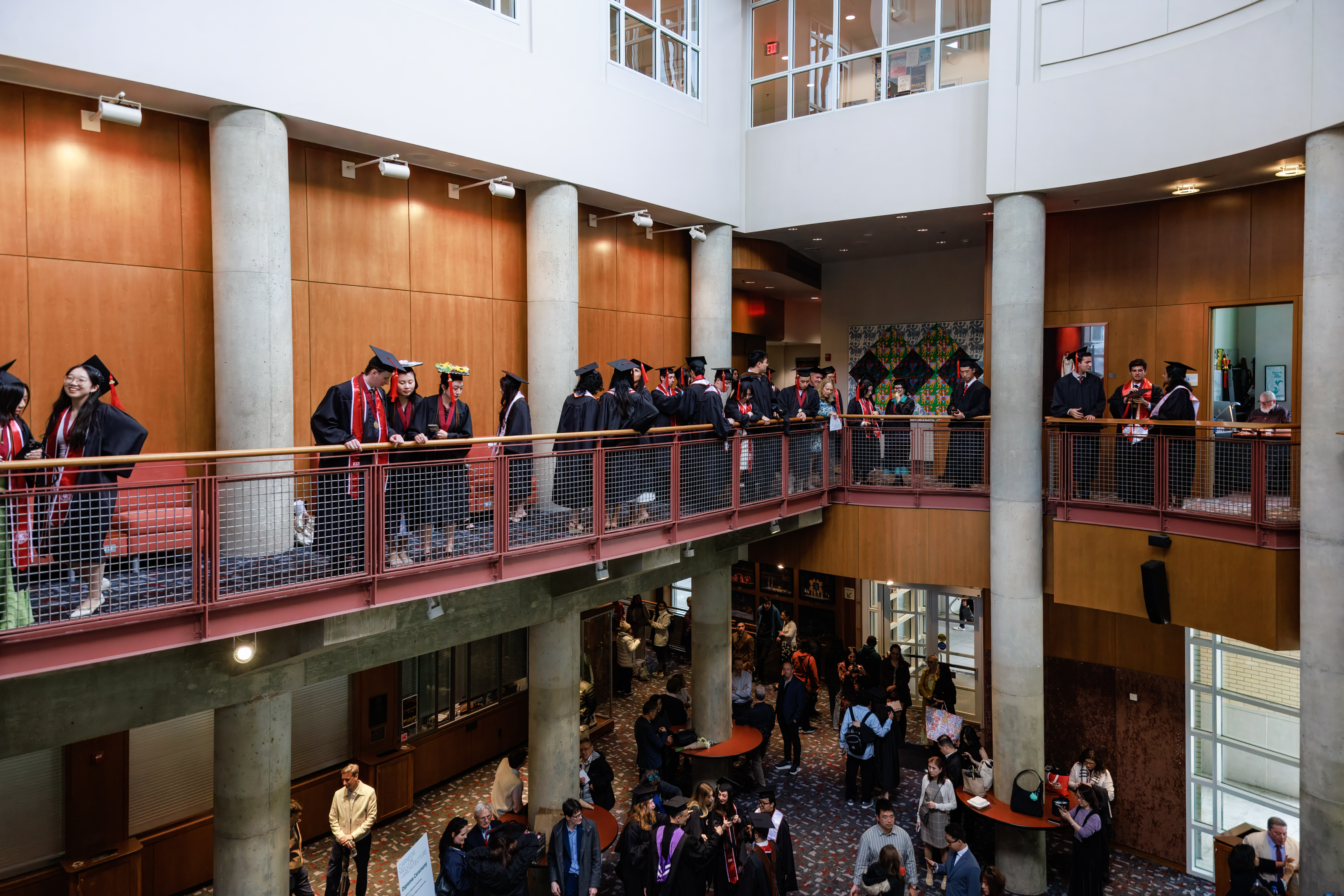
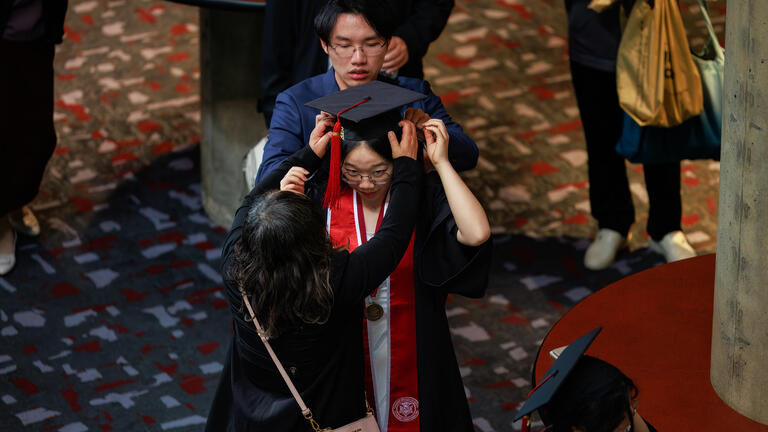
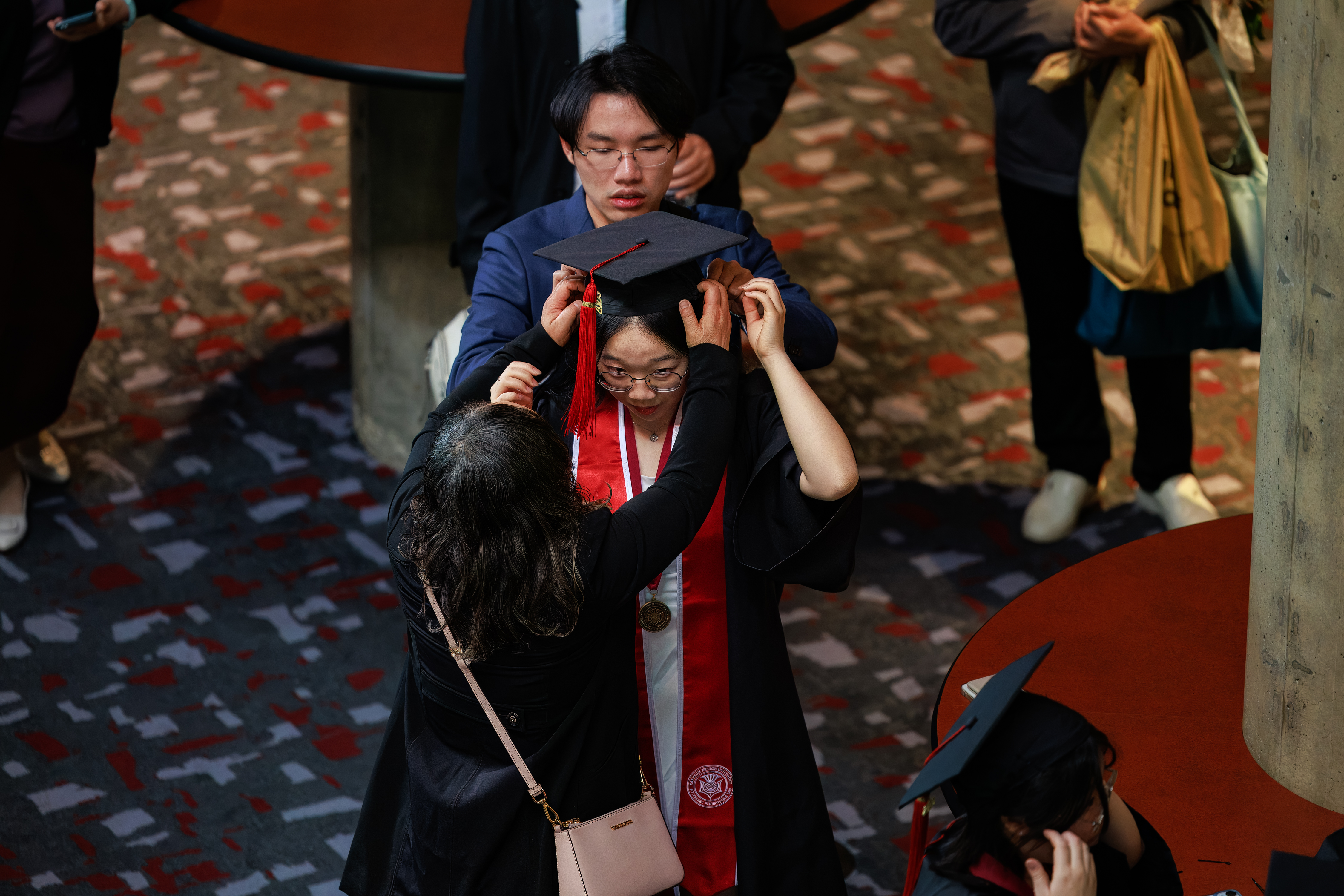
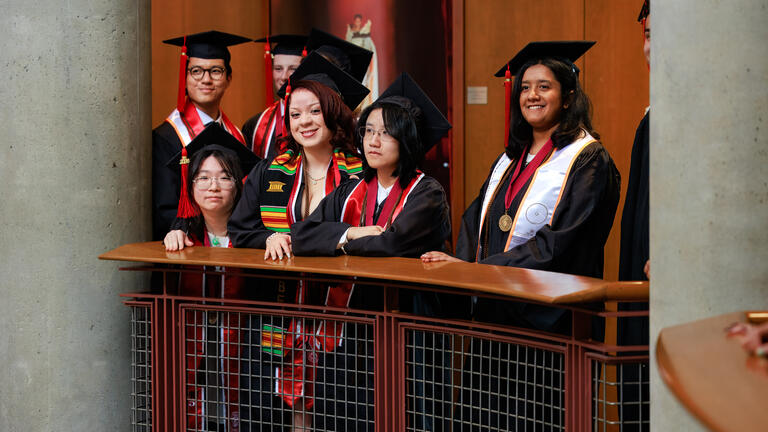
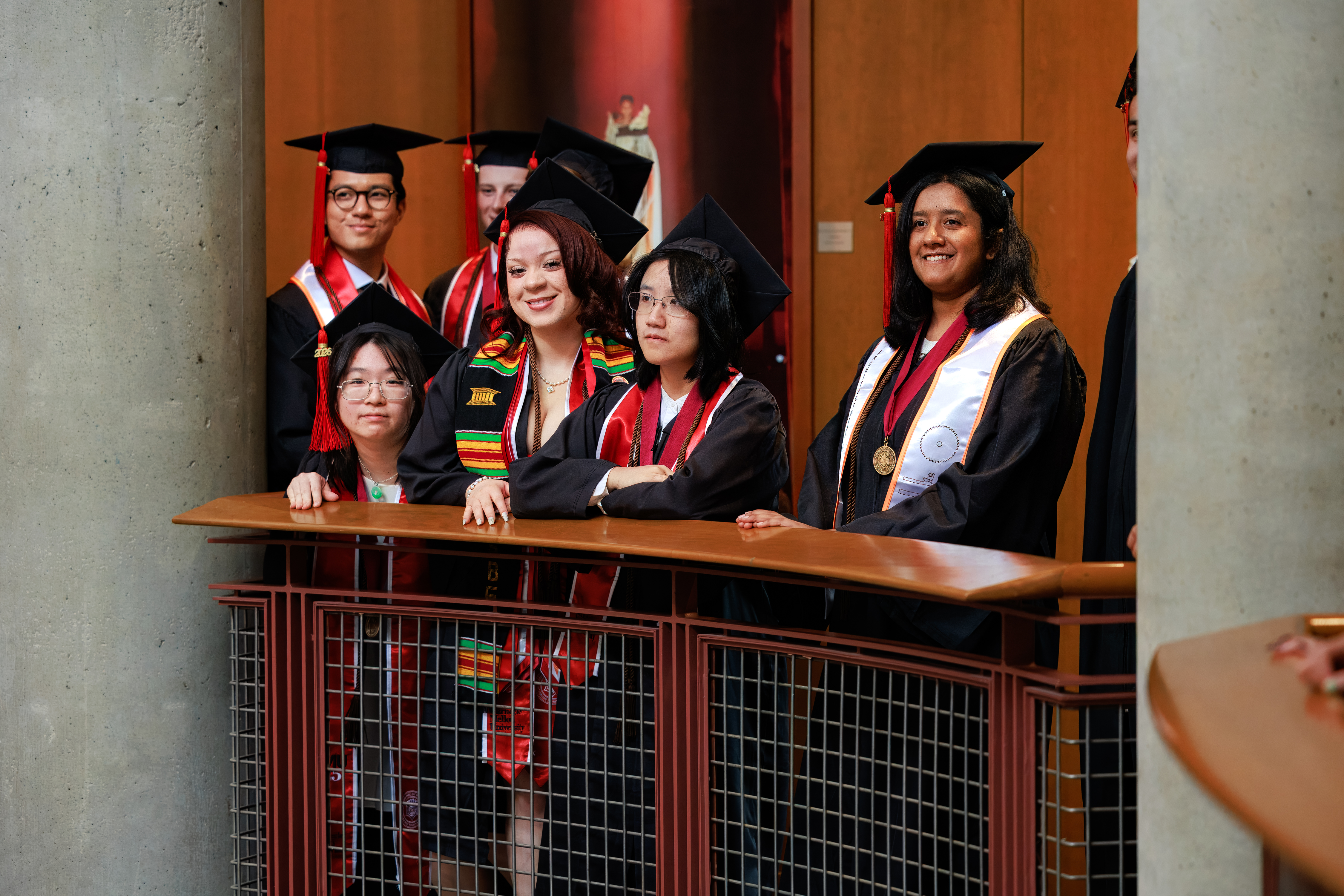
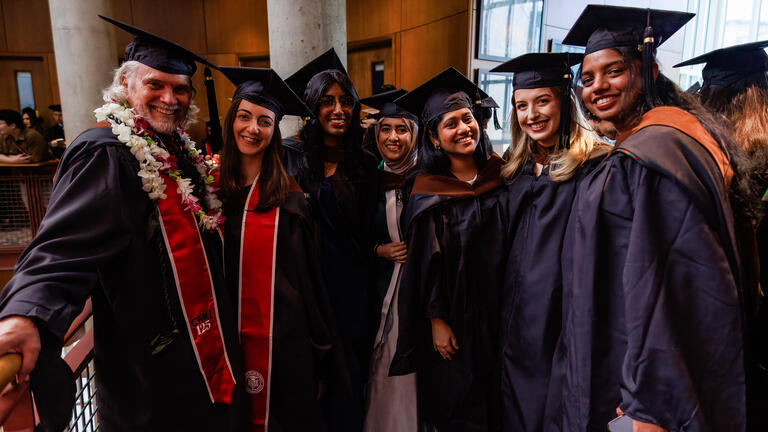
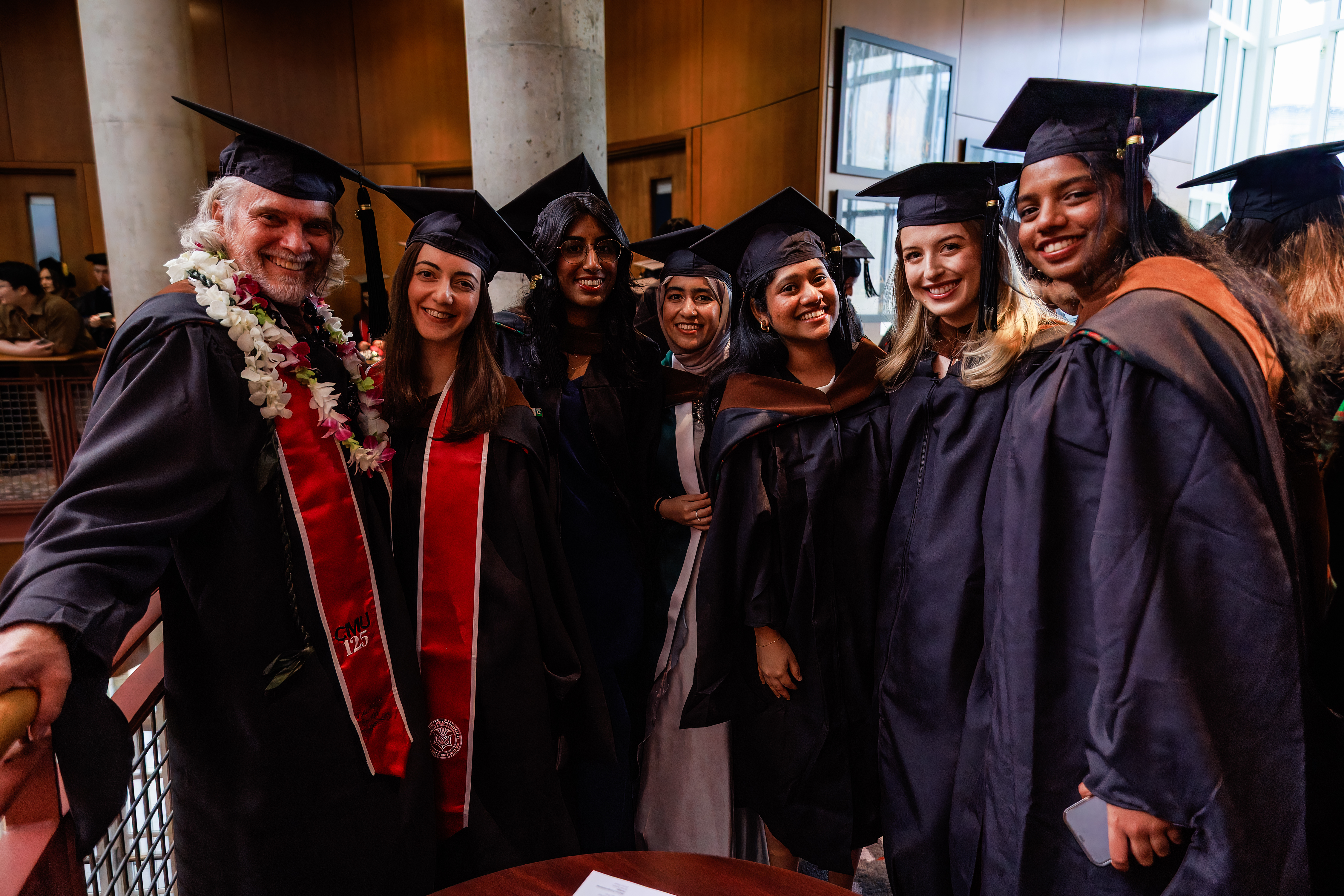
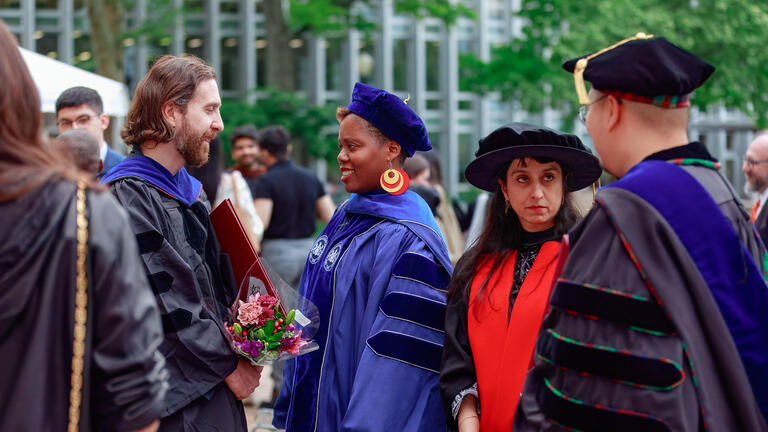
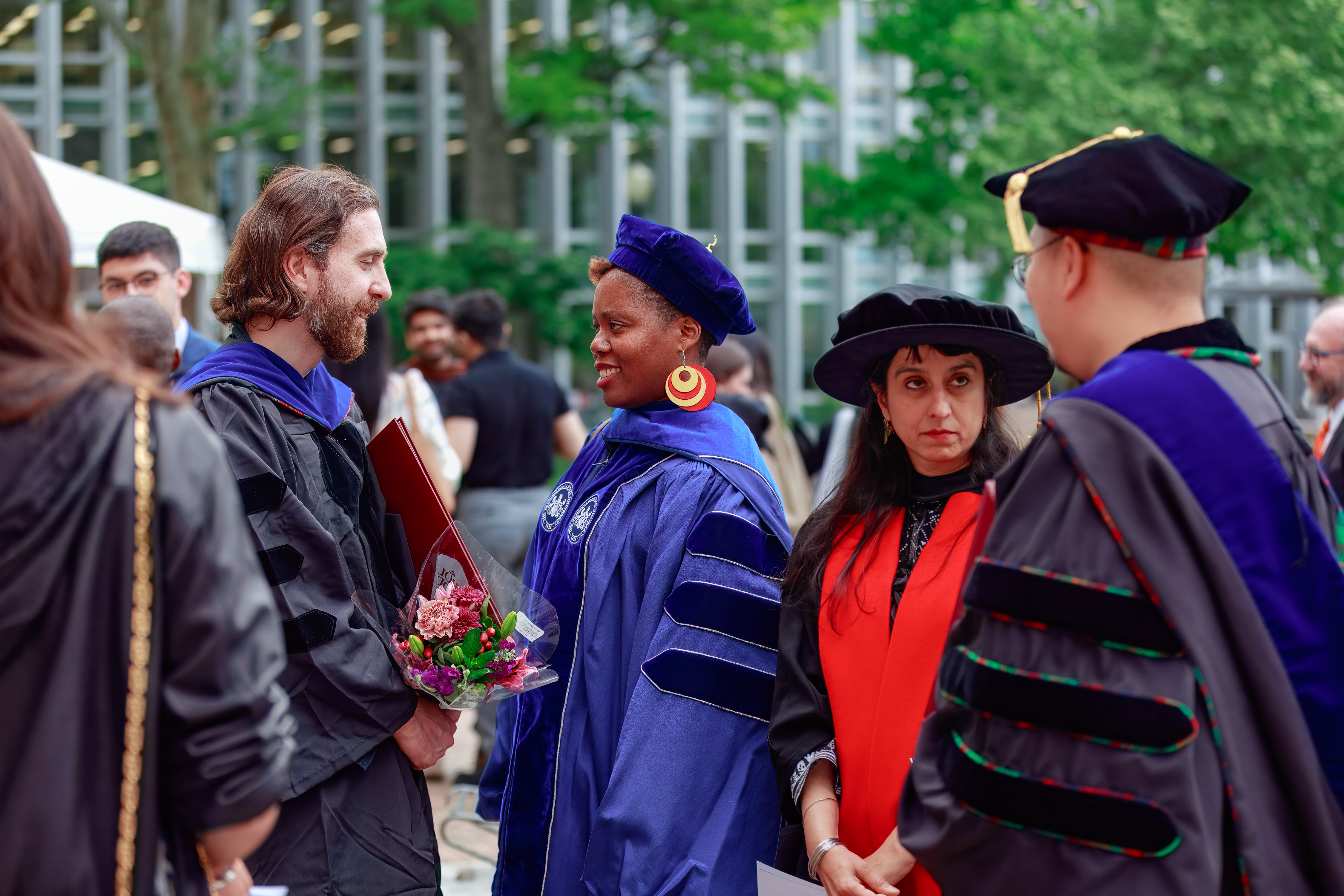
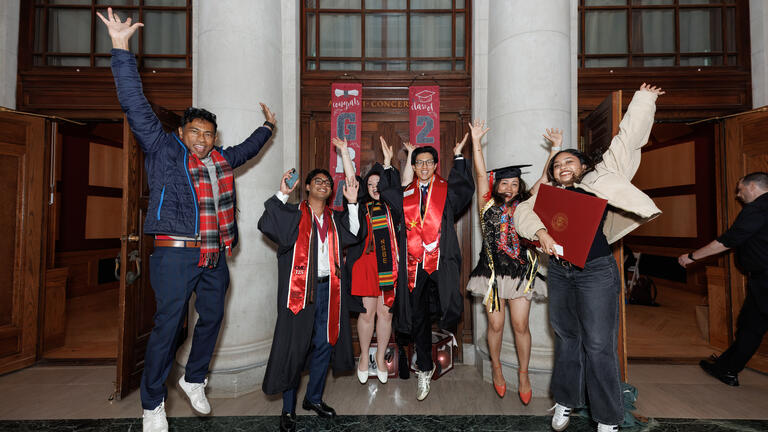
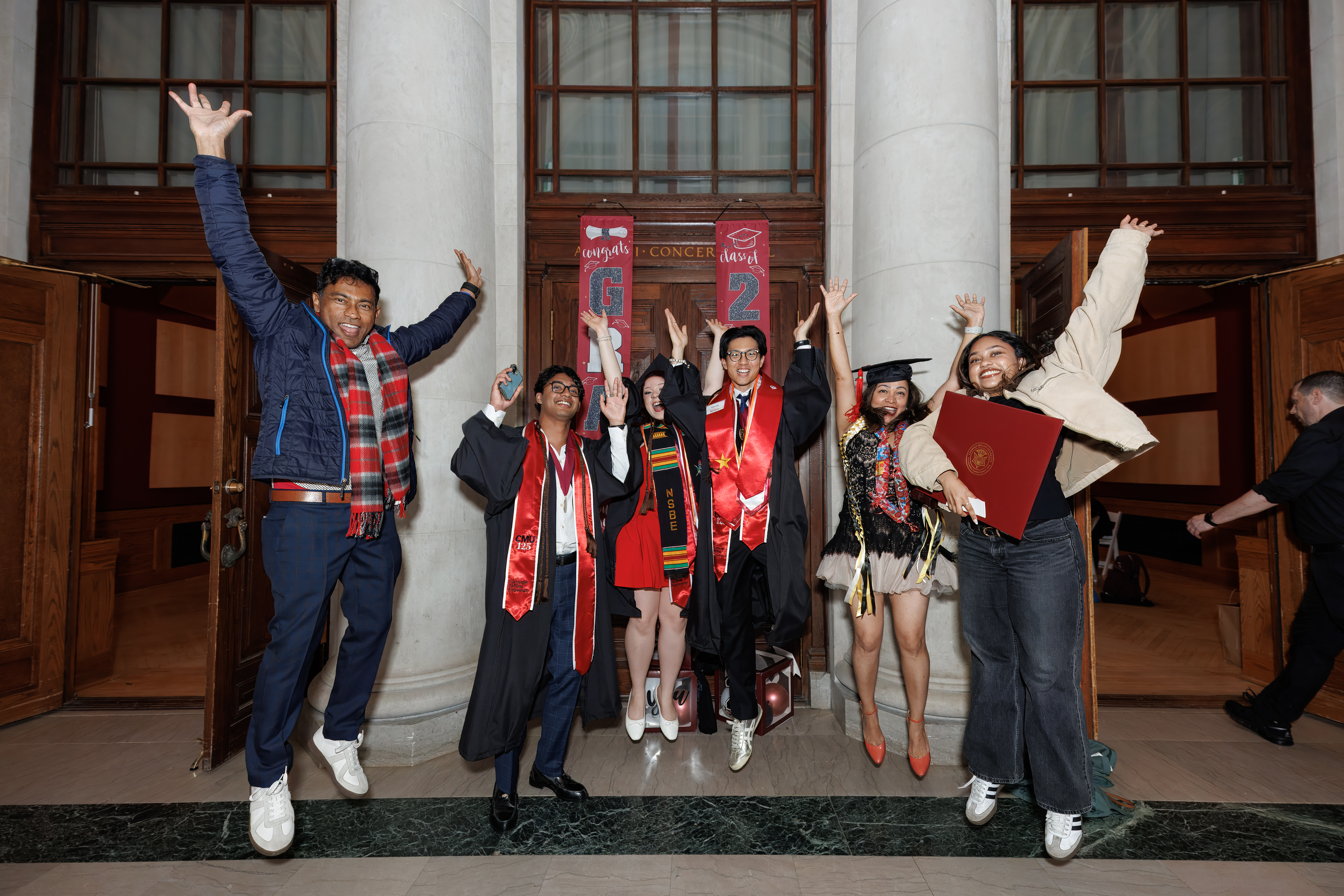
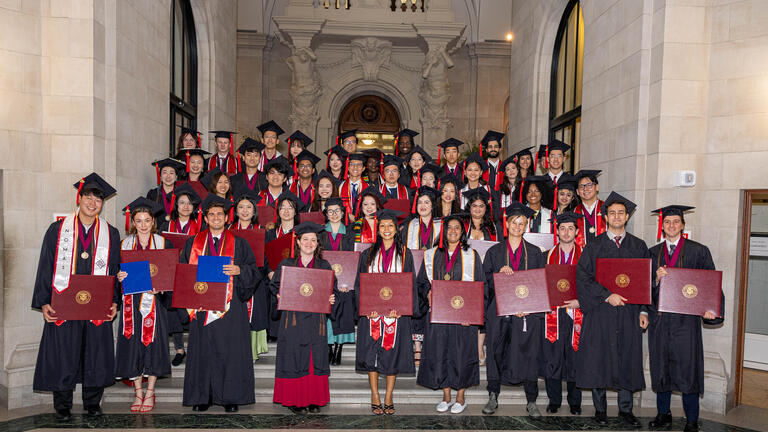
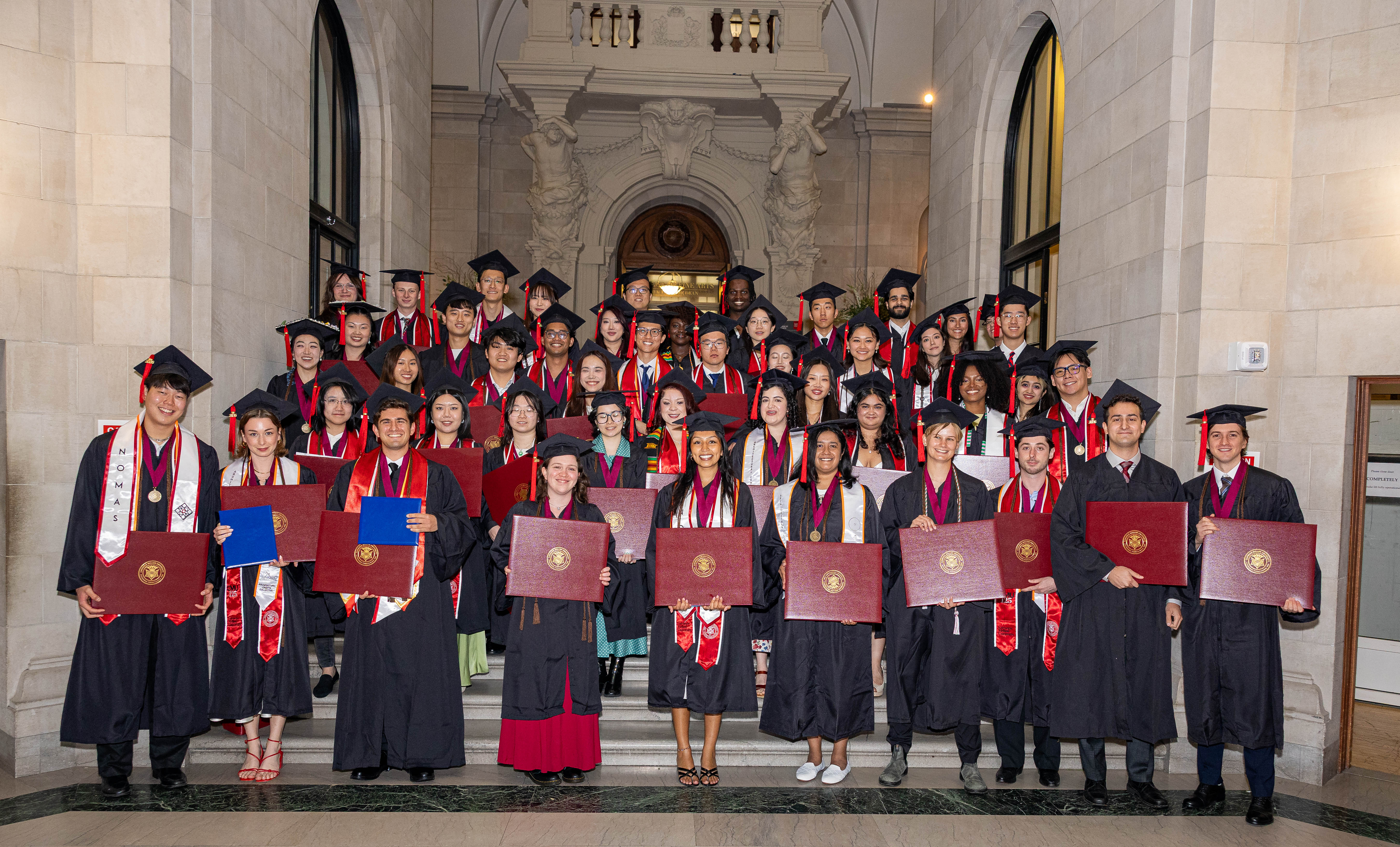
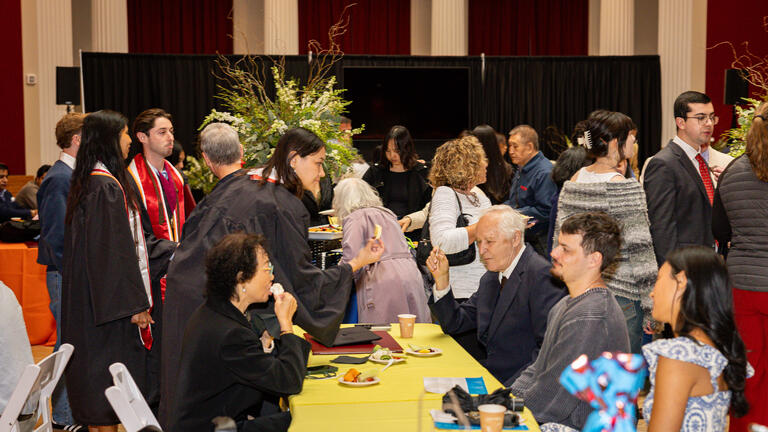
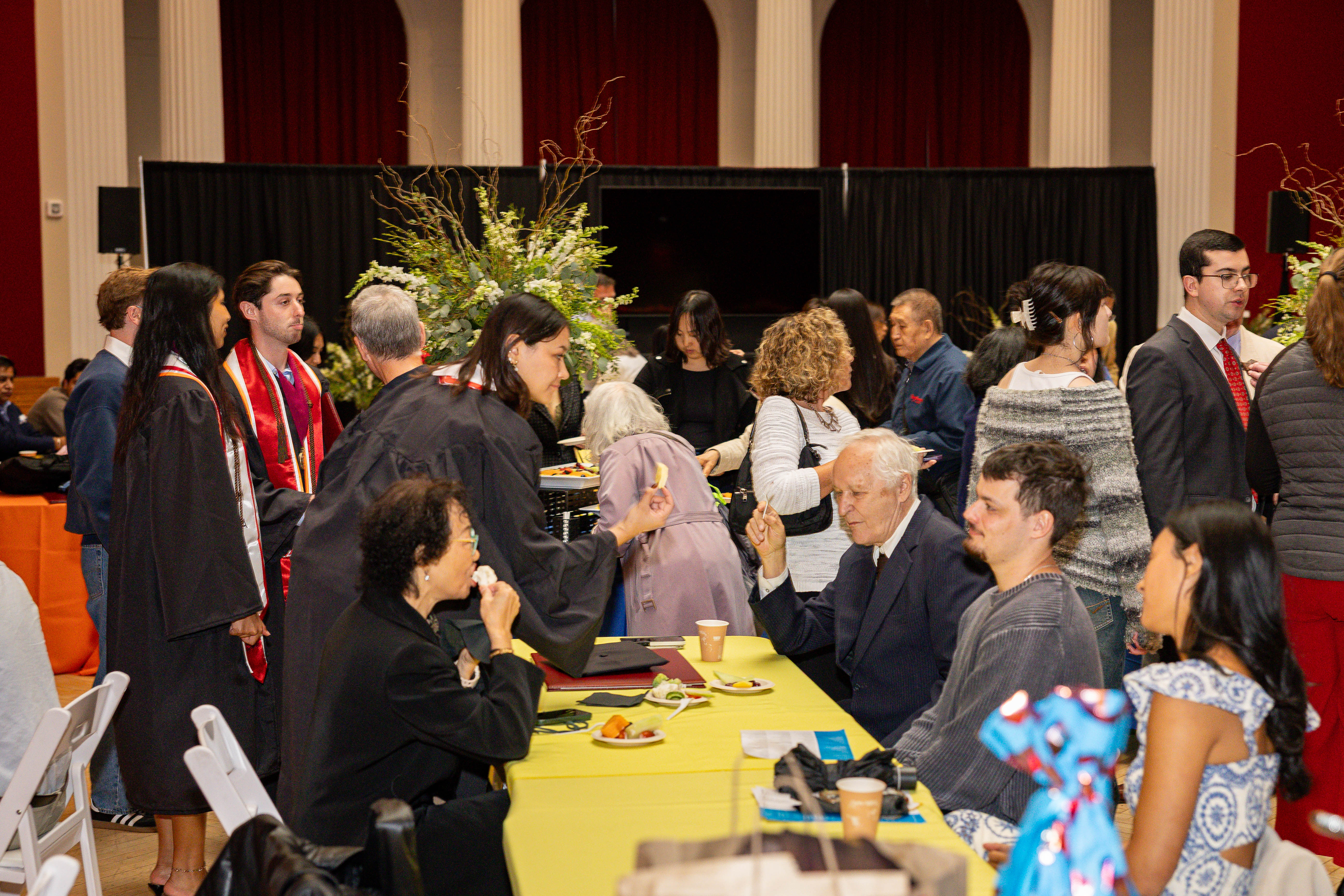
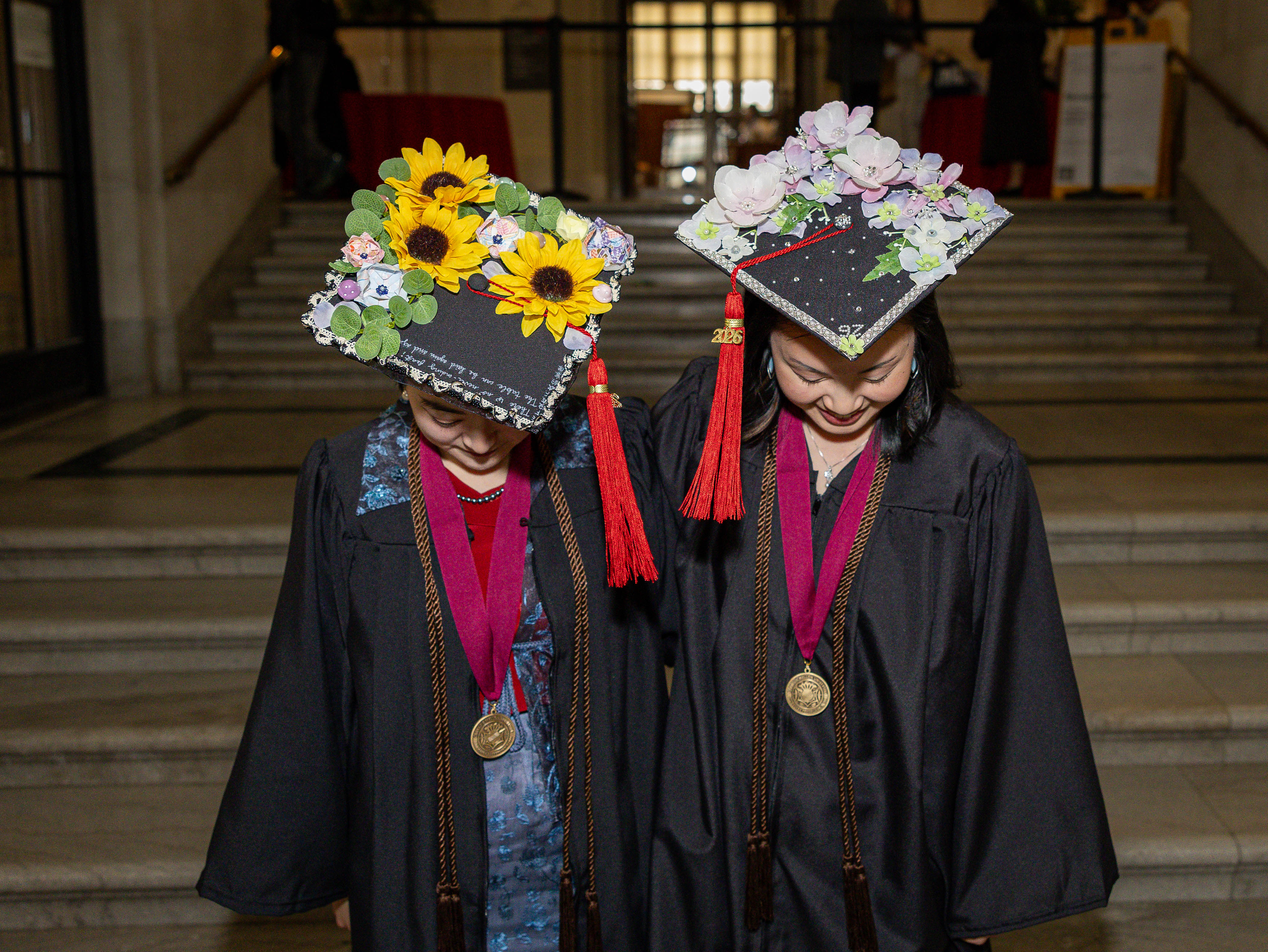
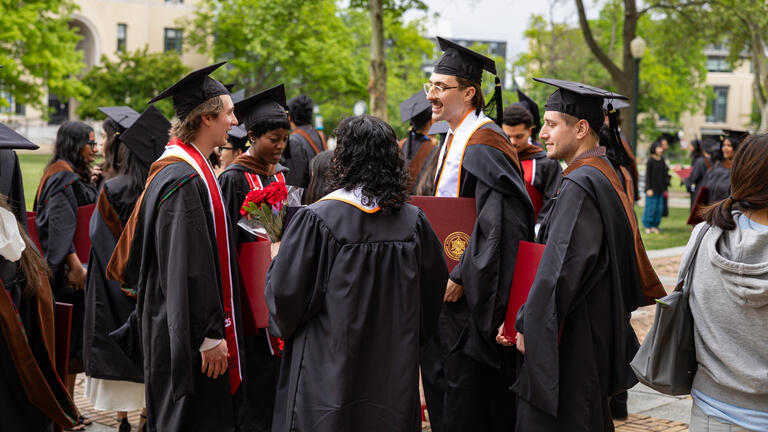
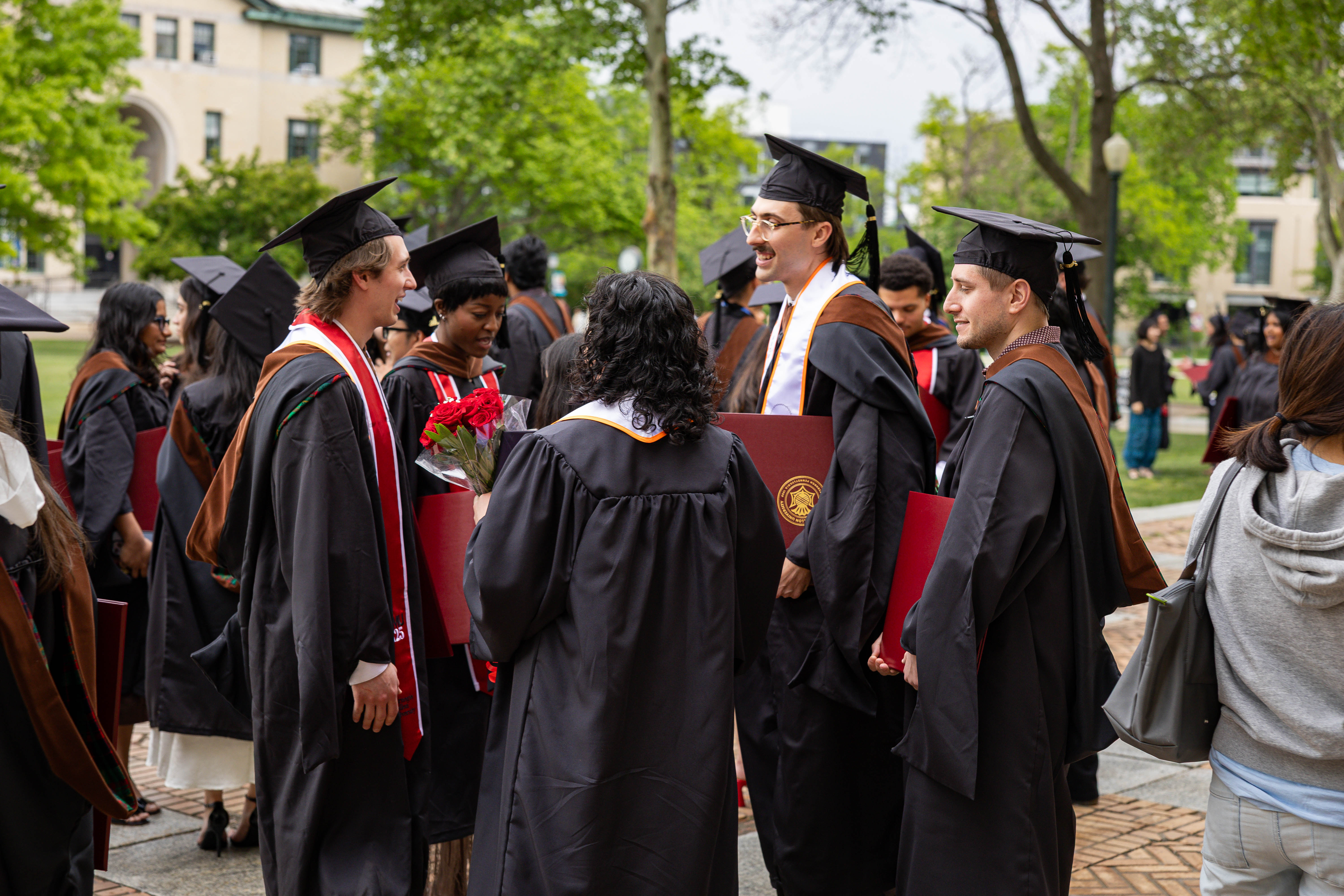
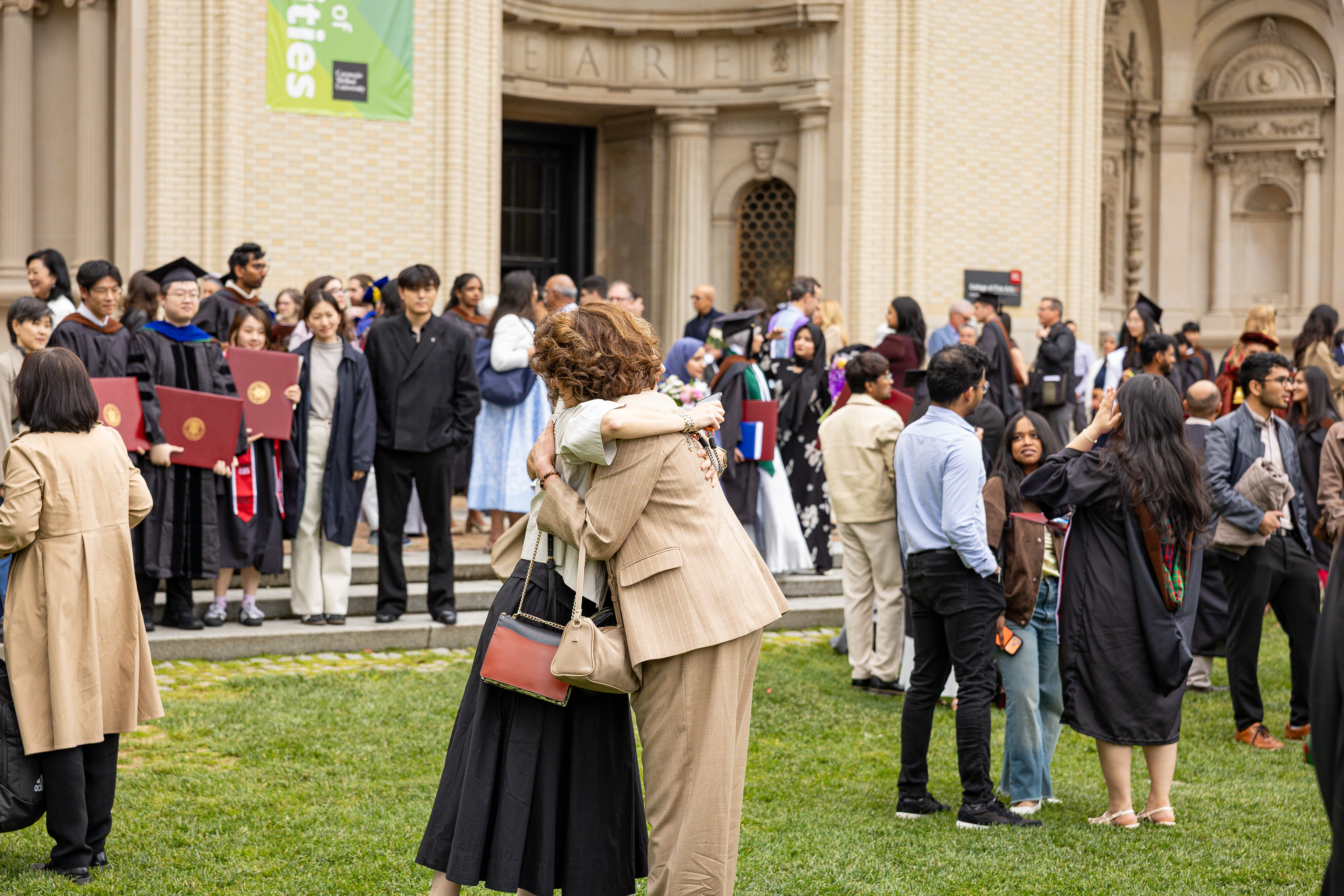
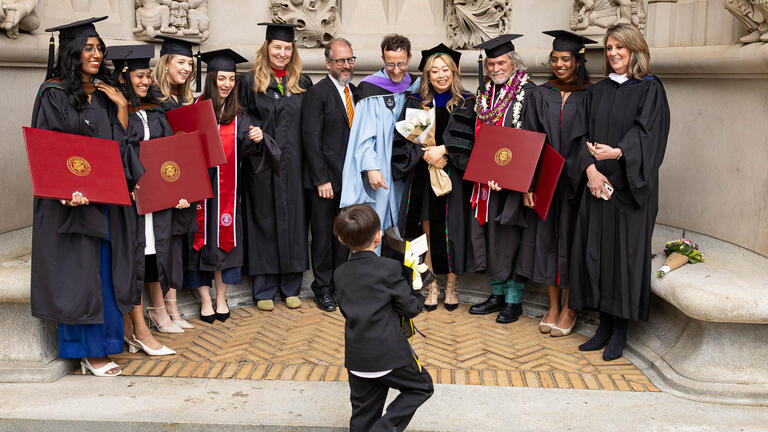
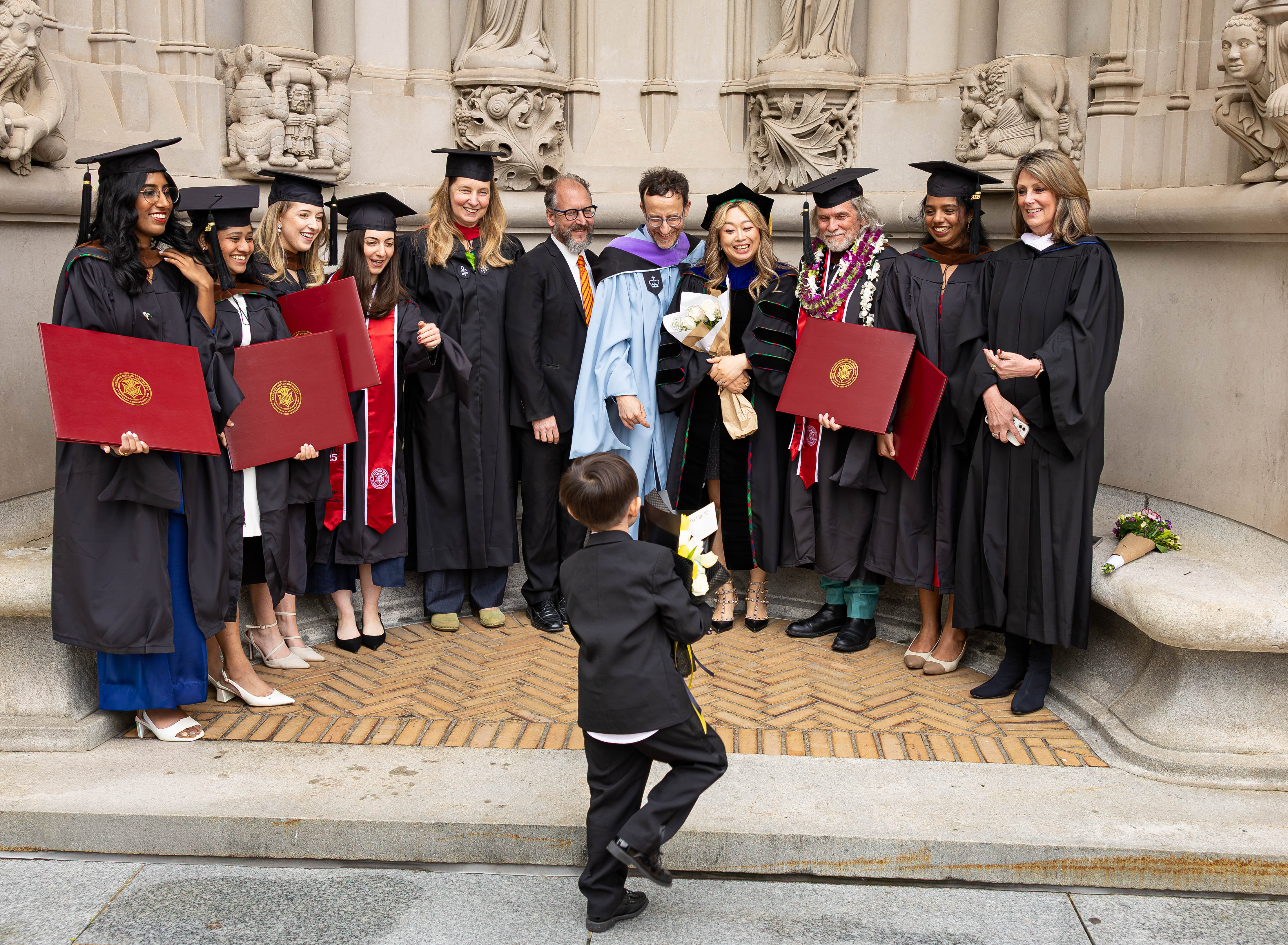
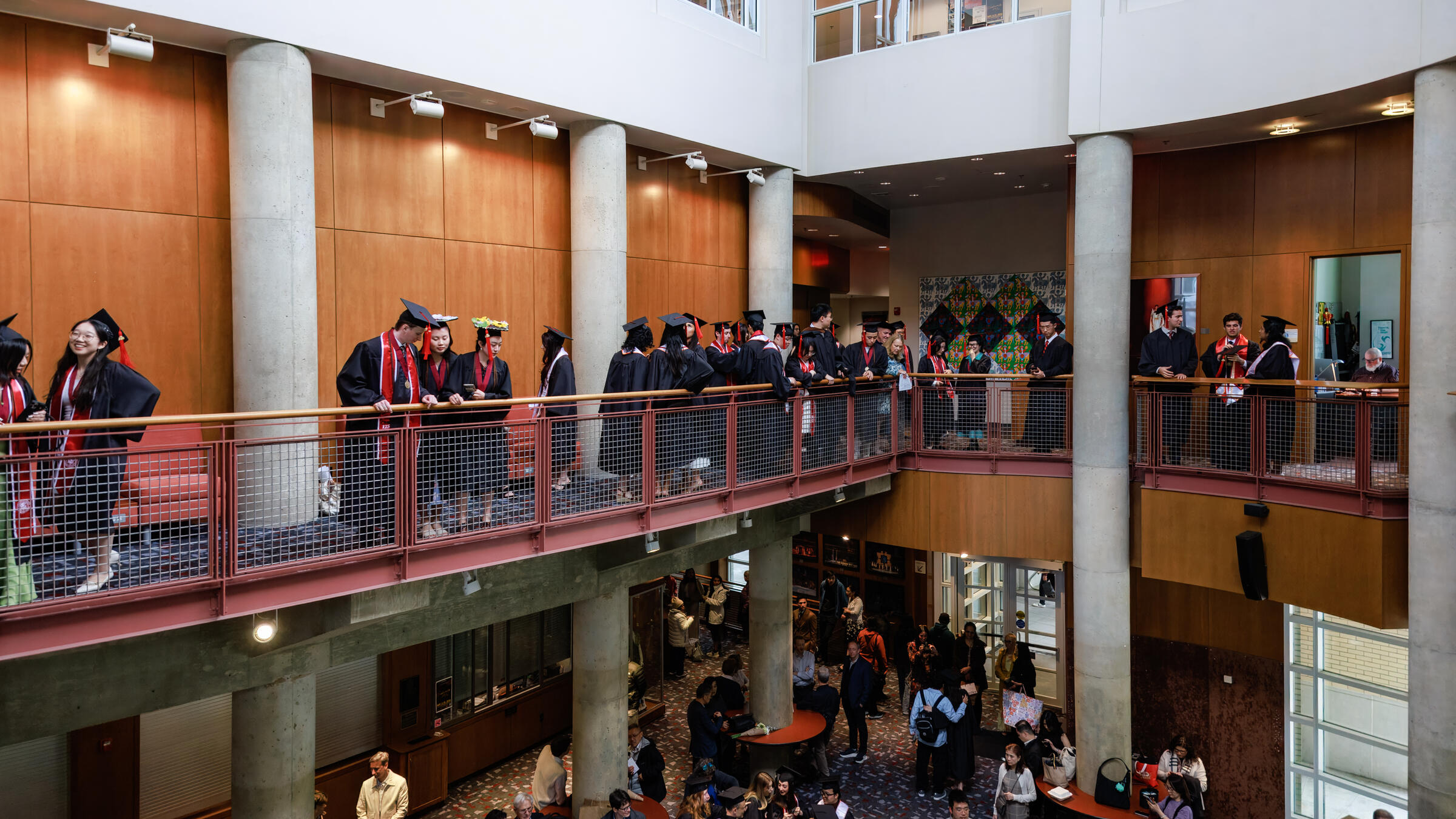
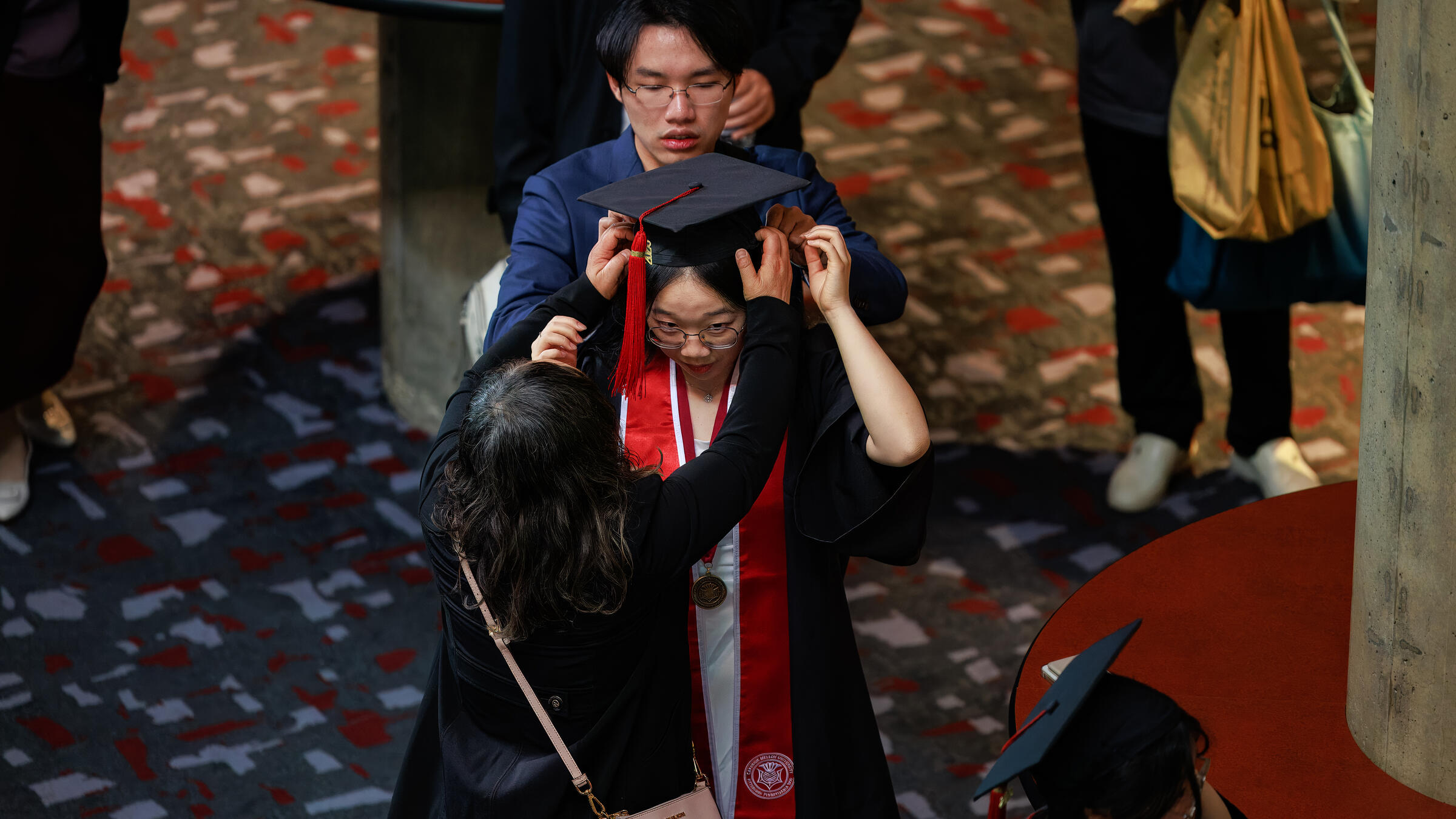
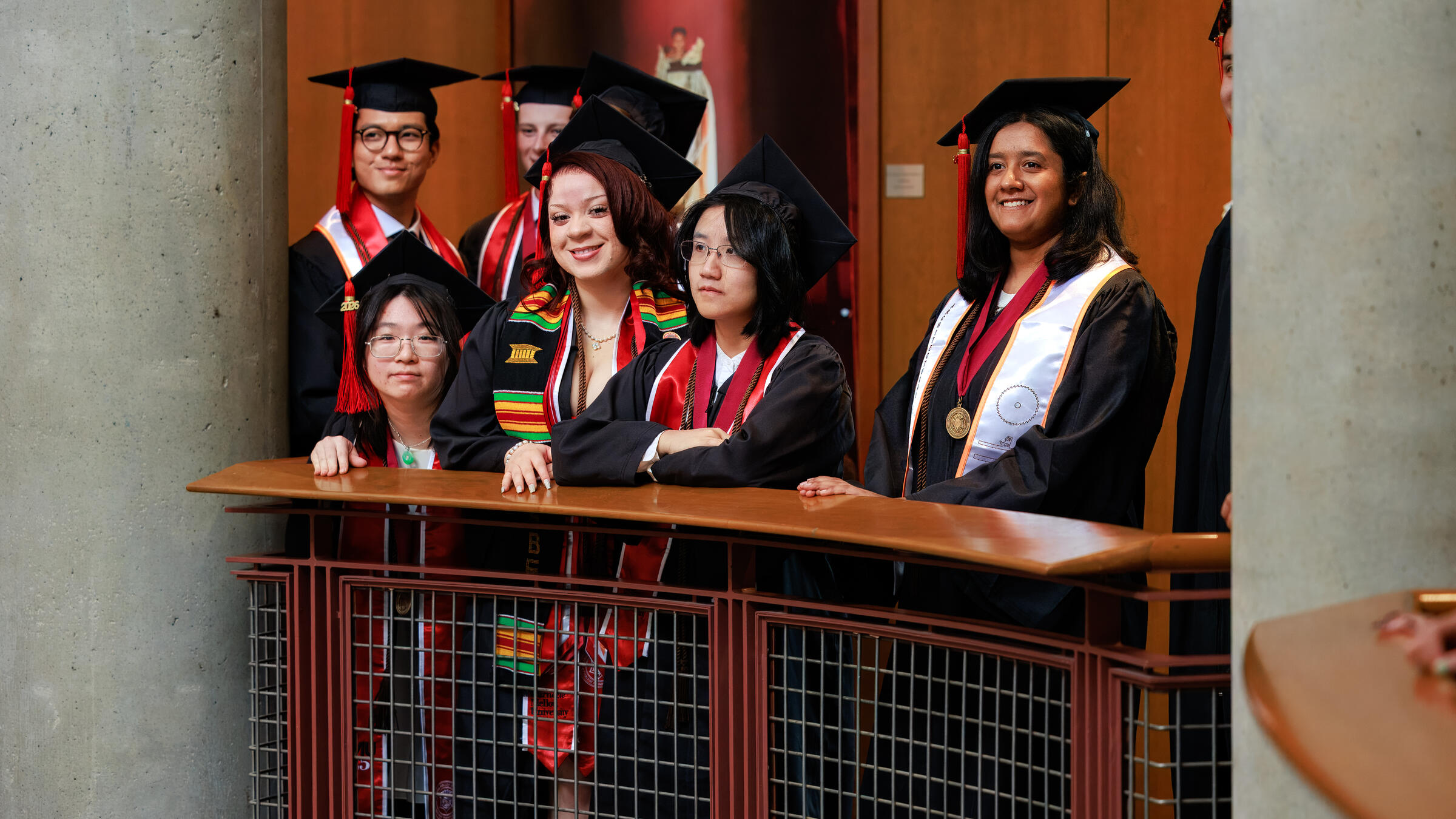
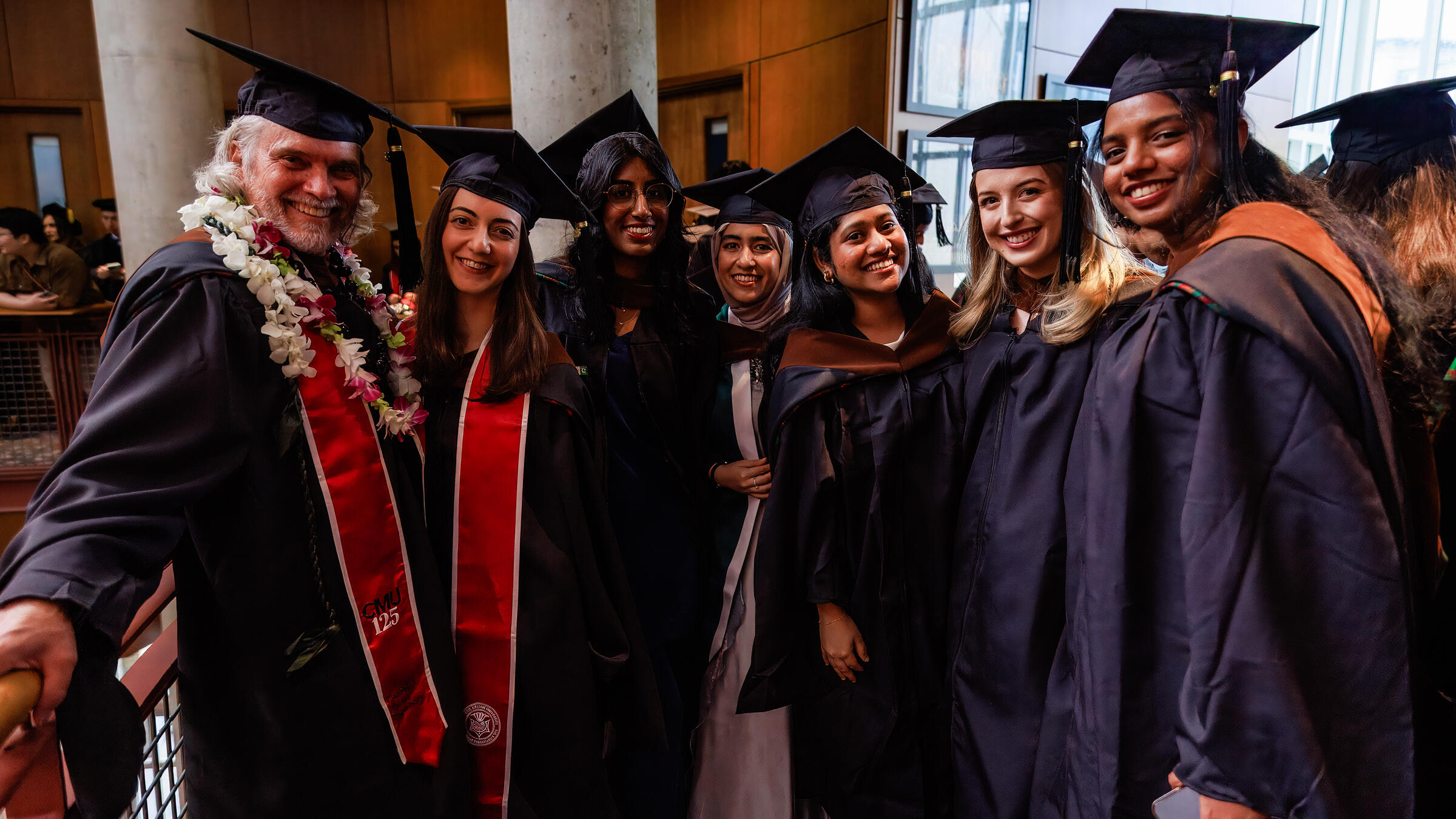
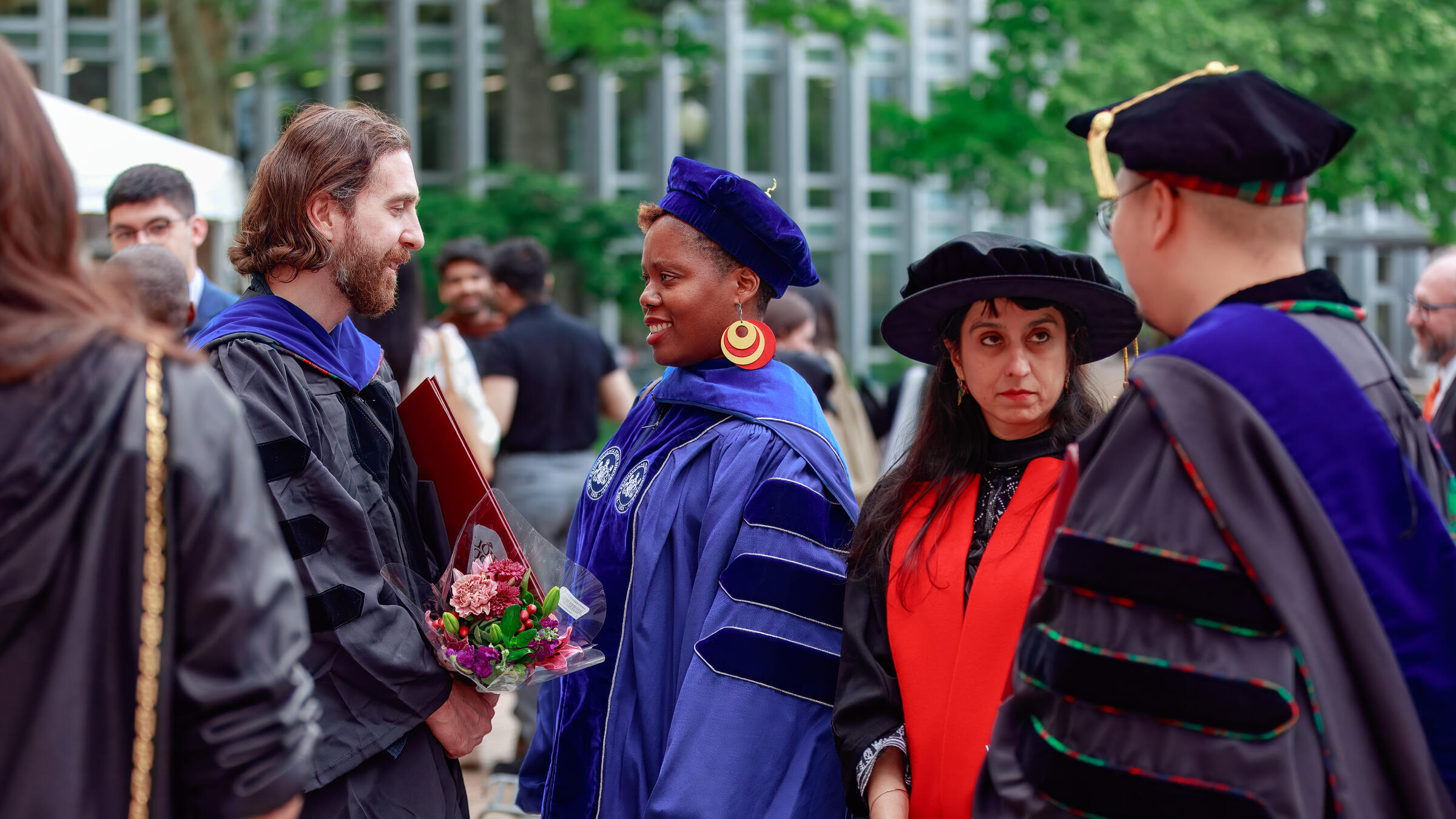
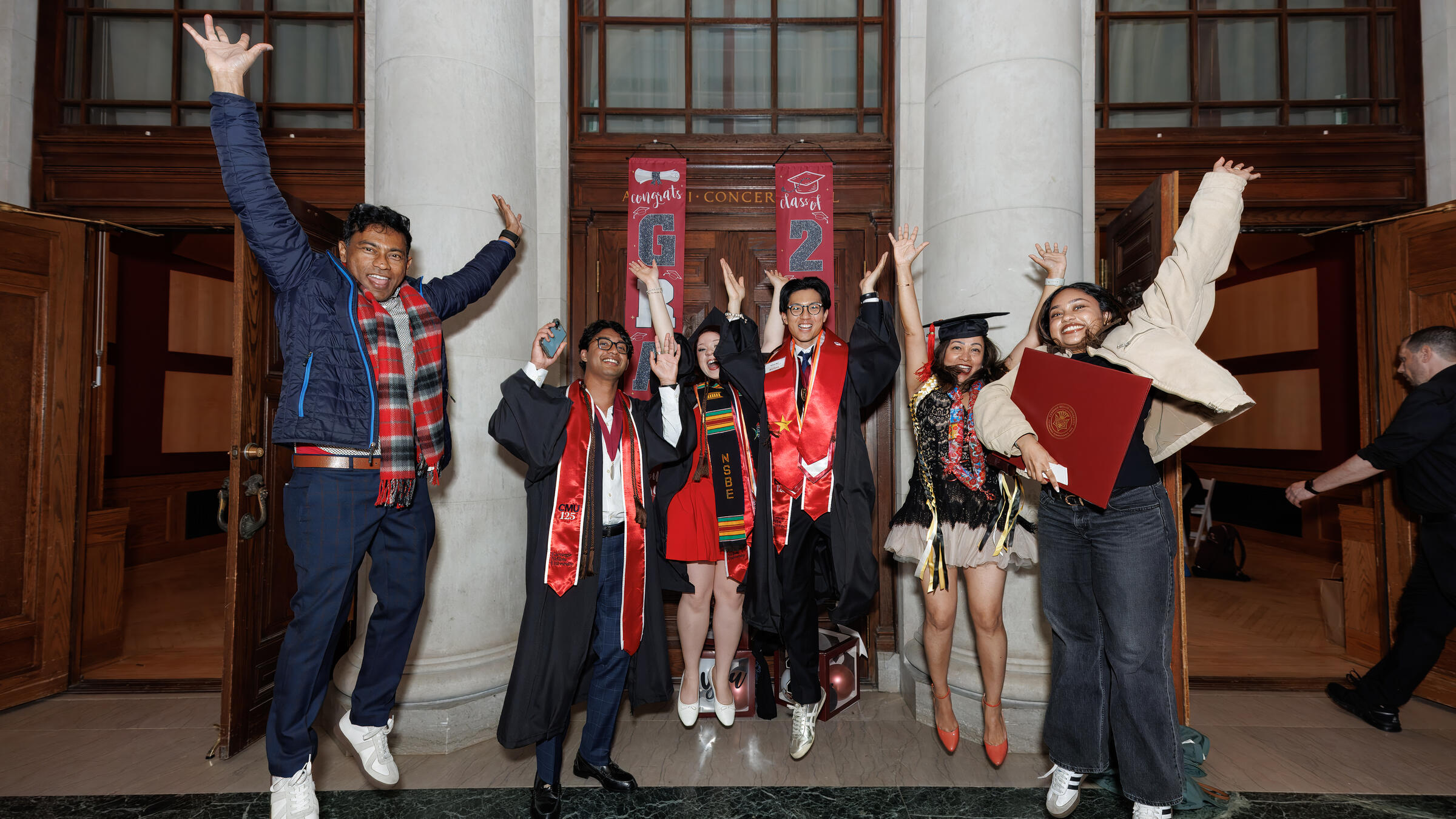
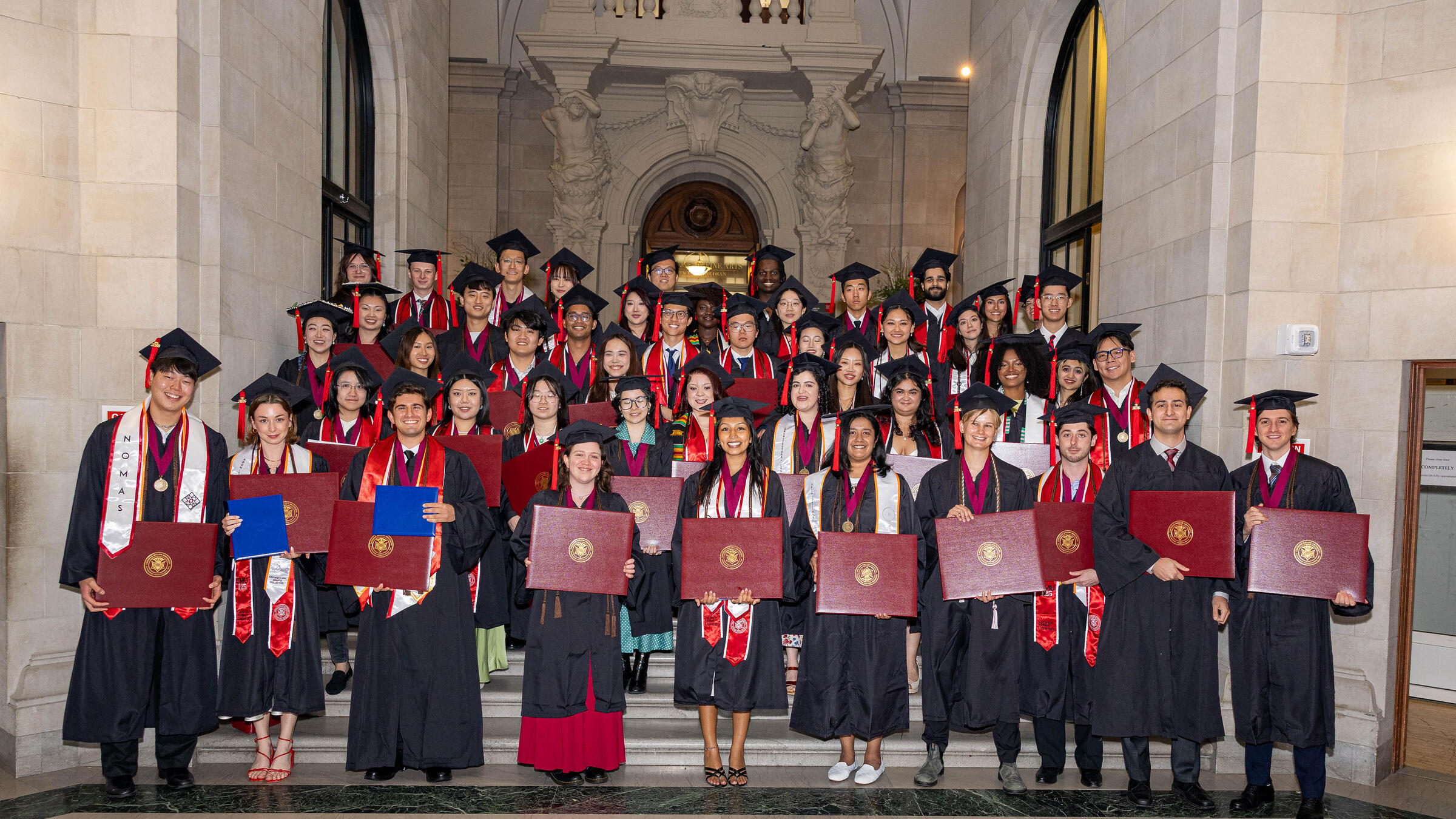
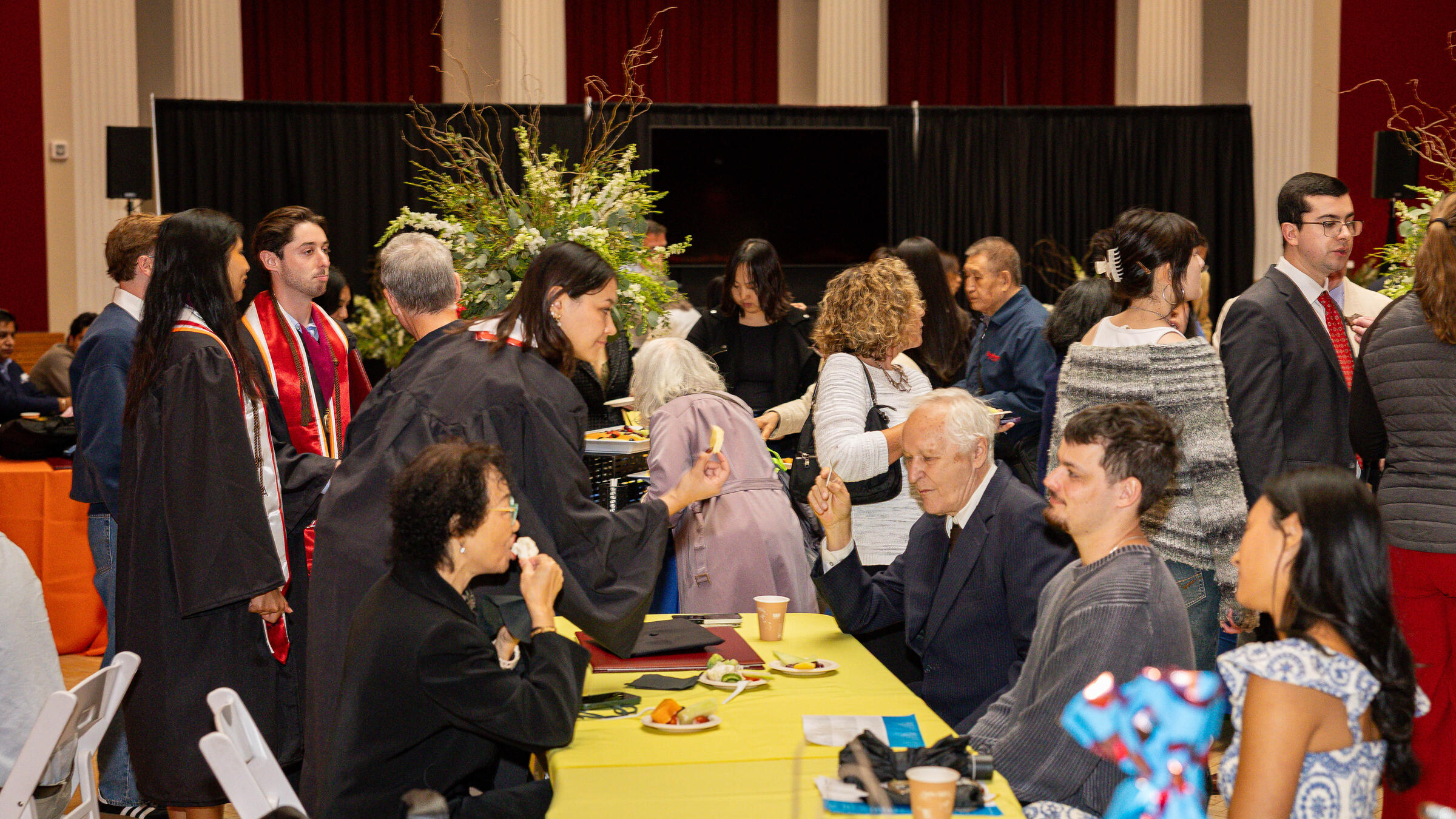
The 2026 Carnegie Mellon Architecture Diploma Ceremonies took place on Friday, May 8, 2026. Because CM-A had an extra-large graduating class this year, there were two ceremonies back-to-back: the Bachelor's Diploma Ceremony and then the Master's & Ph.D. Diploma Ceremony. Both ceremonies included the presentation of diplomas, remarks from student speakers and our alumni speaker and announcement of the graduation awards winners, while the Master's & Ph.D. Ceremony also included the hooding of doctoral candidates. This year's student speakers were Aayush Saxena (B.Arch '26) and Suzy (Zekun) Li (PhD-BPD '25).
Watch: Spring 2026 Final Reviews and Thesis Show
This year's final reviews and thesis shows took place from April 27-May 5 and showcased the impressive work of CM-A undergraduate and graduate students. You can glimpse the students' work and the review process in the video below.
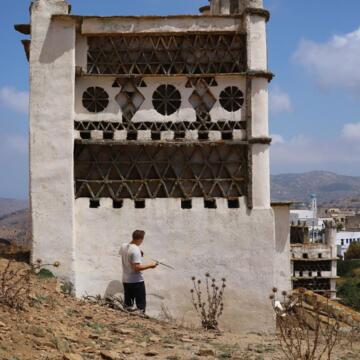
Carter Nelson (B.Arch '17), recipient of the 2022 Delbert Highlands Travel Fellowship, documents a dovecote on the Greek island of Tinos.
Call for Applications for the 2027 Delbert Highlands Travel Fellowship for Alumni: Now Offered Annually
We're pleased to announce that applications are now open for the 2027 Delbert Highlands Travel Fellowship. Formerly offered on a biennial basis, the fellowship is now offered every year. We are excited to bring the fellowship into an annual offering along with our other awards and the opportunity this will offer to support more alumni research in the coming years. Applications are due Friday, October 30, 2026, at 11:59pm ET.
Faculty & Staff News
- The publication for "after school," the exhibition curated by Special Faculty Theodossis Issaias with Alyssa Velazquez, was reviewed by "The Architect's Newspaper."
- CMU's College of Fine Arts received a National Endowment for the Arts (NEA) Research Lab Grant to launch a landmark field scan and benchmarking activity around the arts and AI. The project is spearheaded by Associate Teaching Professor Daragh Byrne.
- Assistant Professor Vernelle A. A. Noel presented the paper she co-authored with students, "From Photo to Fabrication (Photo2Fab)," at CAADRIA 2026.
- Special Faculty Vicky Achnani received the Best Project Award at the 114th ACSA Annual Meeting "Convergence Divergence" conference in Chicago for the design-build research project, "The Second Life: From Waste to Oasis — Sankofa Bamboo Green House."
- The Frank-Ratchye STUDIO for Creative Inquiry selected Assistant Teaching Professor Heather Bizon to the cohort of the 2026 AI Toolmaking in the Arts Residency, which provides summer support to develop artists' tools driven by new developments in AI.
- Special Faculty Niloufar Alenjery presented her work at Tecnológico de Monterrey's School of Architecture, Art, and Design (EAAD) during the lecture series "Speculative Architectural Representation" ("Archipiélagos de Alegorías").
- Special Faculty Tommy CheeMou Yang will present his paper, "Pedagogical (re)Enchantment: Designing with Love, Land, and Spirits," at the AMPS conference "Pedagogy: Transformative Teaching in Architecture and Urbanism" in Madrid, June 24-26, 2026.
- Special Faculty Tommy CheeMou Yang and Special Faculty Niloufar Alenjery will present a co-authored paper at the 16th Annual International Conference on Architecture in Athens, Greece, July 6-10, 2026, titled "Making as Meaning: Recalibrating Architectural Knowledge Through Embodied Practices and Tools of Worldmaking."
Alumni News & Updates
We invite all Carnegie Mellon Architecture alumni to keep us up to date on their awards, professional milestones and more. Send us your updates with a brief description and link to more information.
- Brent Buck (B.Arch '03), Principal of Brent Buck Architects in New York, has been named to this year's "Architectural Record" Design Vanguard. This annual showcase has elevated emerging talent from around the globe since its inception in 2000.
Carnegie Mellon Architecture Newsletter
The Carnegie Mellon Architecture Newsletter comes out three times per semester. It includes interviews with CM–A alumni and faculty and deep dives into research, events, projects and work happening at the school. Started in 2010 as a print publication known as "Span," it moved online under the name "e-SPAN" before coming to be known as the CM–A Newsletter. Have an update you'd like to share? Contact us.