
Fall 2026
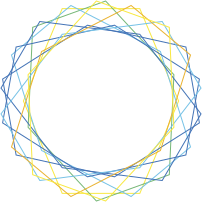
Mobile Home Interior, Henry Youngren (B.Arch '26), from "Mobile Home" studio with Jared Abraham at CMU Architecture.

This course is organized as a graduate seminar that concludes the cycle of required courses in the history and theory of architecture for the M.Arch program.
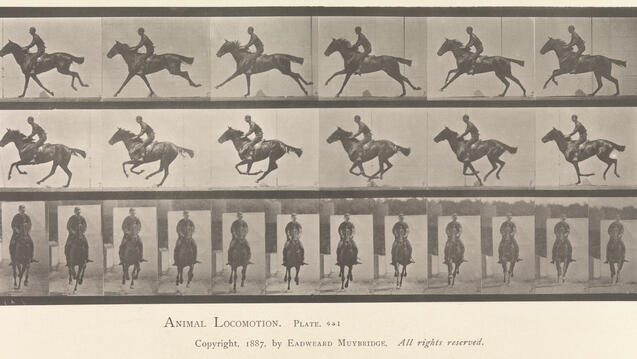
This course provides graduate students with a general introduction to different modes of conducting architectural research, while creating opportunities for cohort building, social exchange, and skills development.
This course explores architectural design methodologies and solutions that are ecologically and environmentally responsible.
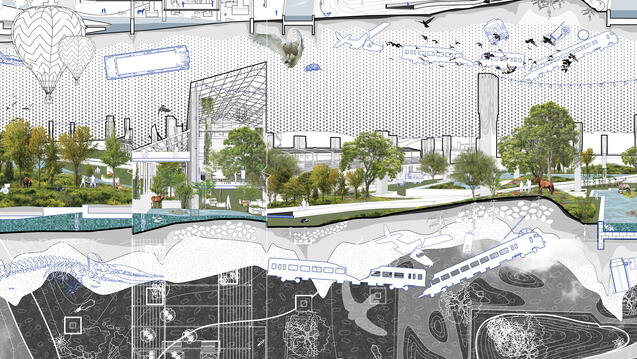
This studio unpacks architecture's entanglements with extraction and capital to explore emergent models for transformative socio-ecological praxis using Just Transitions/Transition Design as a prompt and theoretical underpinning.
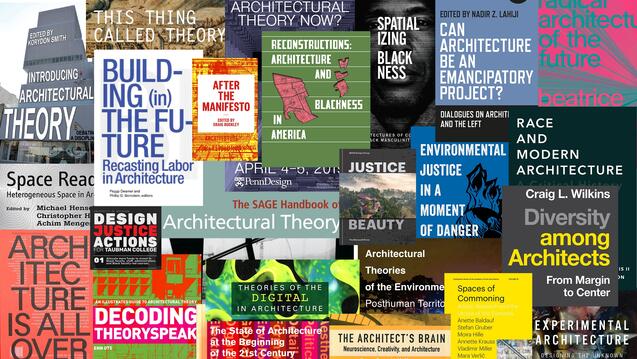
This graduate seminar explores important writings and ideas being discussed in architecture today in relation to design ethics, one of the central pedagogies of the school and the M.Arch program.
The primary goal of the course is for students to learn about sustainability in the context of the full range of the U.N. Sustainable Development Goals so that they can develop an understanding of how they can contribute to a better future through design in the built environment.