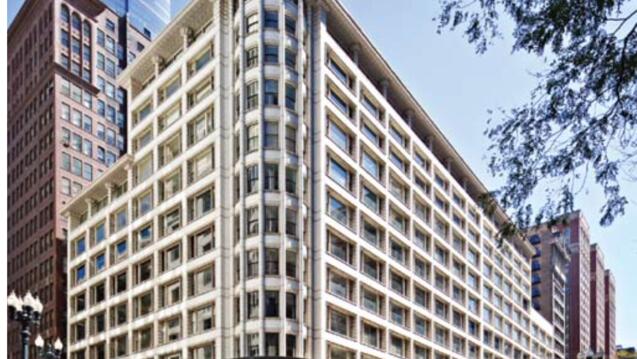
This course teaches the fundamentals of real estate development. Students learn about the real estate development process and the social, economic and regulatory context in which development takes place.
Fall 2026
Mobile Home Interior, Henry Youngren (B.Arch '26), from "Mobile Home" studio with Jared Abraham at CMU Architecture.
This course examines the emergence of computation as a pivotal concept in contemporary architecture and design through a selection of design theories and practices responding to the so-called "computer revolution."
This course explores the relationship of quality buildings, building systems, infrastructures and land-use to productivity, health, well-being, and a sustainable and resilient environment.
This is the preparatory course for the synthesis project in the Master of Science in Regenerative and Sustainable Design (MSRSD) program.
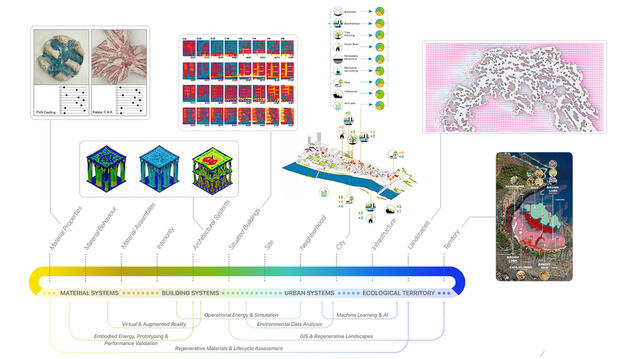
This is the culminating course for the Master of Science in Regenerative and Sustainable Design (MSRSD) program. The course focuses on delivering a design research project that integrates ecological principles into the built environment across multiple scales.
This course challenges students to rethink how buildings perform — not just to consume energy but harness it.
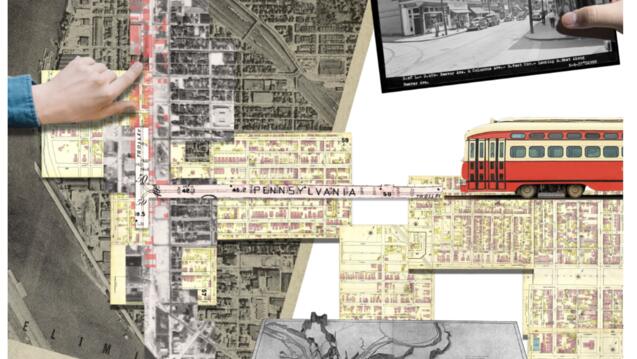
This course explores core urban design methods and theories organized into three themes intended to give students a foundational understanding of urban design, examine key critiques of urbanization, and explore emerging modes of design agency.
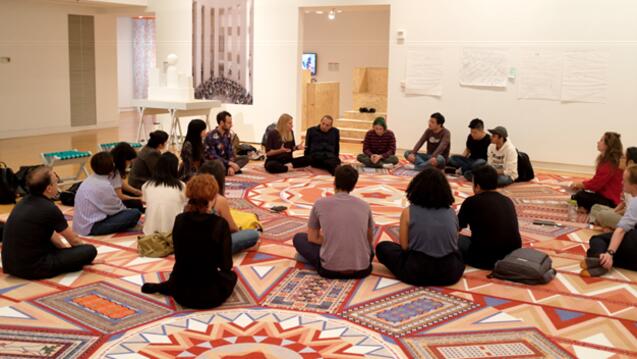
The focus of this seminar is to understand how practices and policies from American plantation life to the modern U.S. city have created racial and economic inequality, human exposure to environmental hazards and climate risks, and how community organizing power has altered these conditions at all levels of government.
This seminar explores architecture’s capacity to operate as an extension of natural ecosystems and to actively contribute to the ecological regeneration of the built environment across scales.
This course explores new forms of media and representation in urban design.
This course explores various types and scales of change; compares the ways that architects, engineers, contractors, and facility managers deal with change; and analyzes the effectiveness of various precedents.
Building Information Modeling (BIM) enables architects to manage project information in one integrated environment, supporting design, analysis, coordination, and communication.