
This course exposes students to advanced project scheduling methods and familiarizes them with the primary reporting practices performed in the construction industry, including change management, resource charts, and project status reports.
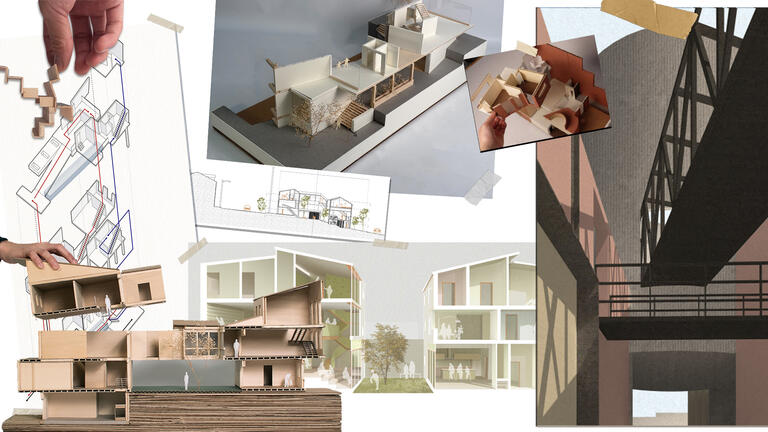
Poiesis II experiments by Allen Chen, Alobi Huang, Will Ivansco, Jioh Kim, Adeline Kwan, Estee Teo, Max Whalley and Lukas Yao.
This course exposes students to advanced project scheduling methods and familiarizes them with the primary reporting practices performed in the construction industry, including change management, resource charts, and project status reports.

This course explores the fundamentals of project values, incentives and motivations as they relate to the diverse, sometimes conflicting, perspectives of a project’s stakeholders.
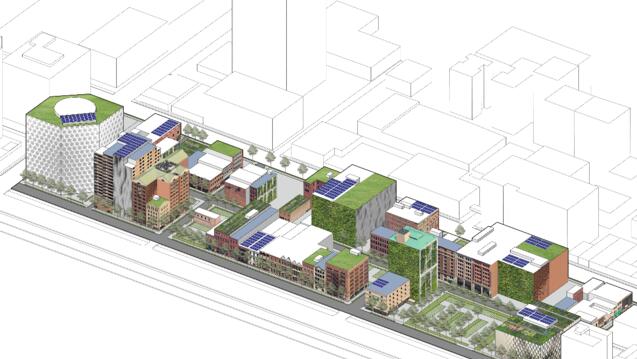
This two-semester course is dedicated to supporting the research, presentation and final thesis submission of Master of Science in Building Performance & Diagnostics (MSBPD) candidates.
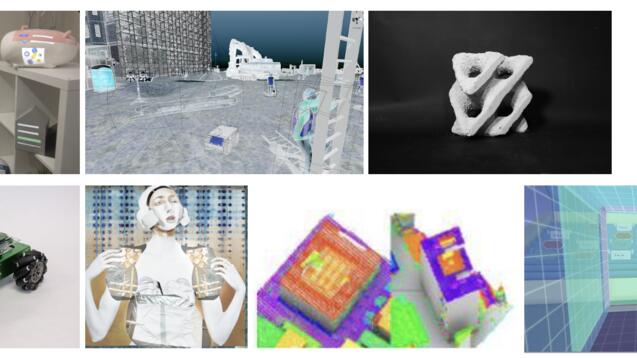
In this course, second year students in the Master of Science in Computational Design (MSCD) program work towards the completion of their thesis.

In this course, students collect local or global data and apply mapping skills, including using ArcGIS and Illustrator, to map local experience and large-scale urban systems and use spatial data science to make inferences.

The MAAD program design thesis leverages the speculative potential of the design process to generate new knowledge, designs, understanding, practices or paradigms.
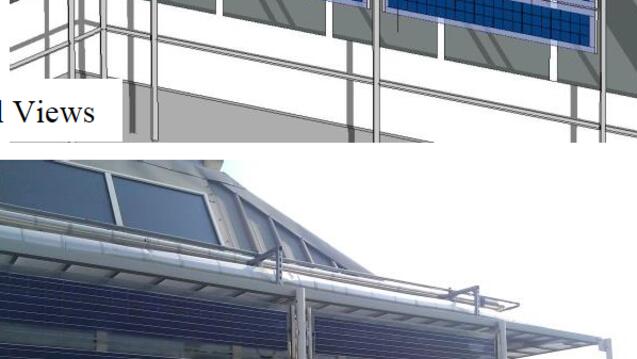
This course supports the Game Plan, Qualifier, Proposal and Defense stages of the Ph.D. thesis in Building Performance & Diagnostics (PhD-BPD).

This course examines the role of the architectural detail in the formation/thematic development of a work of architecture and how the detail reinforces the theoretical position of the architect.
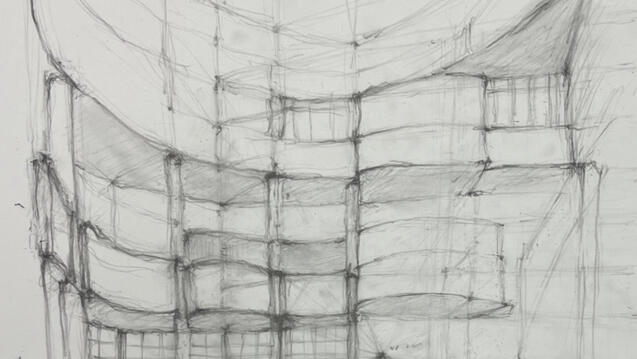
This freehand drawing course considers perspective from three understandings of perceptual psychology.

This course is designed to guide students in creating their personal architectural portfolios.

This course guides students through the process of designing in Revit from the schematic, conceptual design phase, to the construction document phase. The skills learned from this course help students understand the phases of design and documentation in the Revit environment.