

This course introduces structural systems and the materials and elements that make up those systems.
Fulfills minor requirements for: Architectural Technology (non-majors)

Mobile Home Interior, Henry Youngren (B.Arch '26), from "Mobile Home" studio with Jared Abraham at CMU Architecture.
This course introduces structural systems and the materials and elements that make up those systems.
Fulfills minor requirements for: Architectural Technology (non-majors)

The course introduces contemporary urbanism, offering a comprehensive exploration of how cities and urban systems are made, remade, and even unmade.
Keyword: Design Ethics
This studio frames the integrated design process as a singular act in which technical development is inseparable from ideation; tectonic and technological developments are used to extend and realize the project's core architectural intentions.

This seminar is designed to prepare students planning to work on a thesis project in the B.Arch and M.Arch programs.
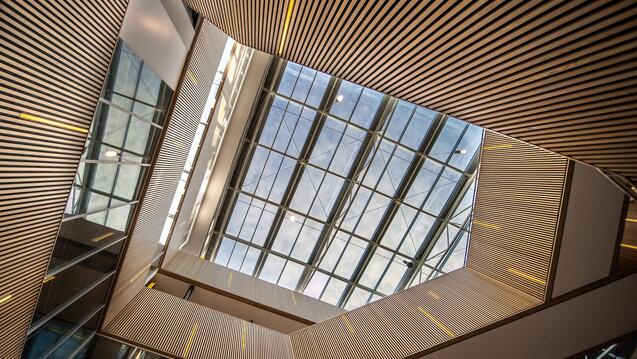
This course focuses on professional and personal development for a career within the discipline of architecture.
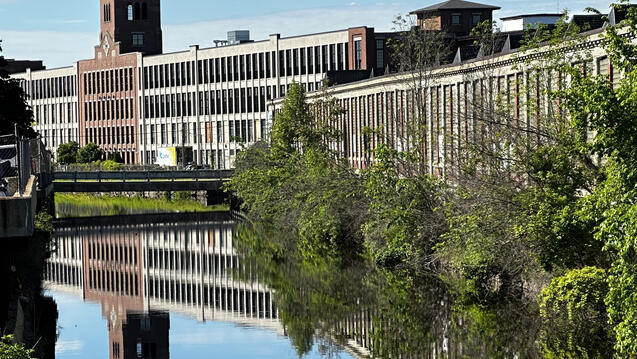
This studio explores how small post-industrial cities built around rivers can build capacity for agile adaptation in the face of economic, environmental, and social change.
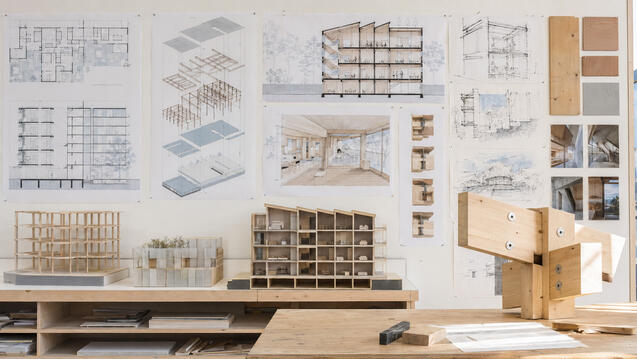
Students in this course design an adaptable urban housing system using Pennsylvania hardwood mass timber, and test the system across five Harrisburg properties associated with the Pennsylvania Social Equity Land Trust and Pennsylvania Social Equity Improvement Fund.
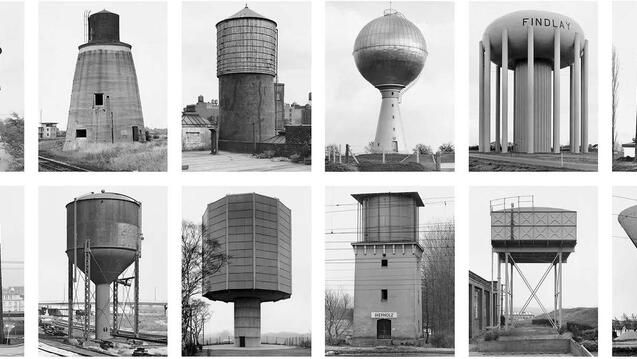
In this studio, students develop a projective architectural proposal rooted in the systematic harvesting, reassembly, and reprogramming of an abandoned or underutilized industrial typology within a chosen Rust Belt context.
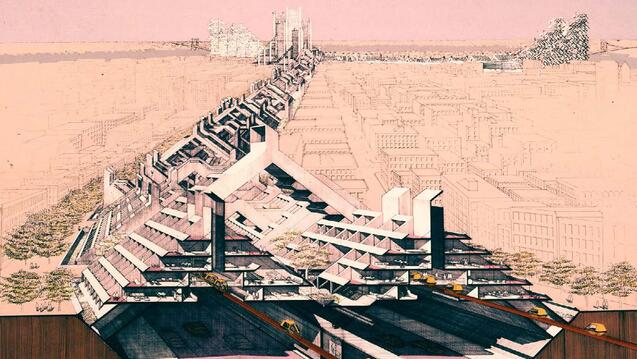
A semester-long theoretical project for an extremely high-density mixed-use development in Manhattan is the vehicle for a design and research study of the island that established the paradigm for modern cities, seeking opportunities to recontextualize development within the grid for a more sustainable and equitable future.
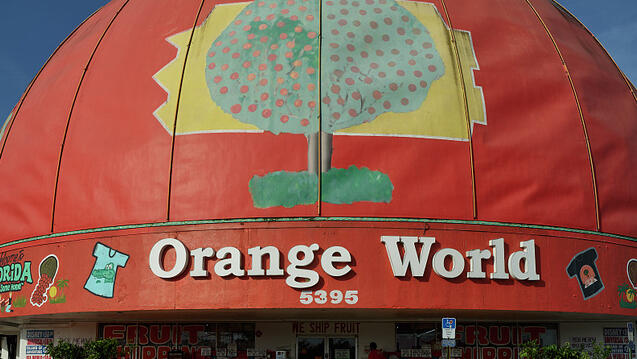
This studio investigates food as one of the most intimate architectures of American identity and power, tracing how belief and political economy enter factories, churches, kitchens, supermarkets, laboratories, highways, homes, bodies, and media platforms.