
Like moss — a plant known for its reciprocal benefits that create conditions for other species to thrive — this seminar explores how bottom-up interventions can foster a more vibrant public realm.

Mobile Home Interior, Henry Youngren (B.Arch '26), from "Mobile Home" studio with Jared Abraham at CMU Architecture.
Like moss — a plant known for its reciprocal benefits that create conditions for other species to thrive — this seminar explores how bottom-up interventions can foster a more vibrant public realm.
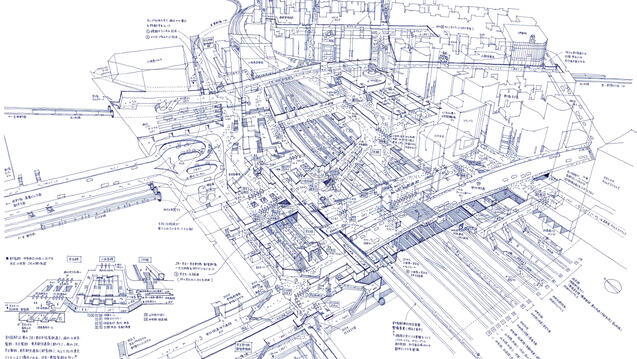
Part one of this seminar course is situated at the intersection of global infrastructural history and architectural world-making across the modern era.

Part two of this seminar course focuses on the intersections of infrastructural theory and architectural world-making.

This course engages critical concepts from environmental justice, Black geographies, Indigenous studies, urban political ecology, and architecture history to interrogate these processes and to orient us away from rubrics of value, development or sustainability, towards non-extractive futures and decolonial horizons.

In partnership with the Architectural Crafts Collective (ACC), this course focuses on the design and planning of the 2027 CMU Spring Carnival Pavilion.

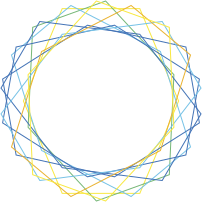
This interdisciplinary course investigates design and making practices through the visual-perceptual, rule-based approach of shape grammars.
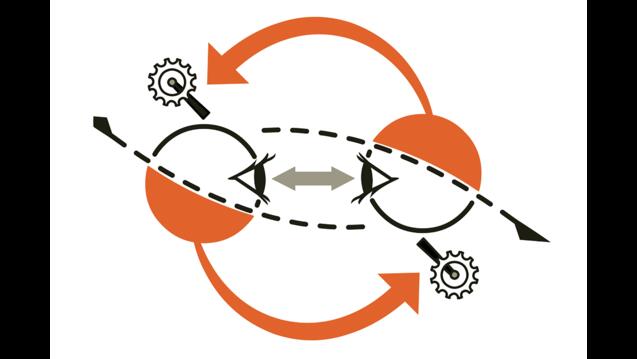
This course is an on-ramp to the Laboratory for Cybernetics (Lab4C), supporting students engaging with wicked challenges based on personal interests and/or current projects for their coursework or thesis.

This course provides a practical, hands-on introduction to the application of industrial robotics in architectural and related construction domains. It also provides students with the necessary knowledge and safety protocols to work in the architectural robotics lab.

This course is designed to introduce students to 3D software tools including Autodesk AutoCAD 3D, Revit Architecture and/or 3D Studio MAX.

This design-research course challenges the traditional boundaries of architectural practice by shifting the architect's role from material consumer to material developer.
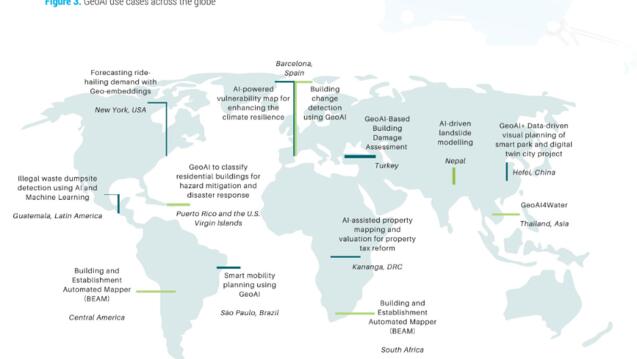
This course introduces GeoAI, the integration of GIS and AI, as a framework to empower decision makers with evidence-based insights.

This design-research seminar explores natural and waste-stream–derived material formations beyond our current petrochemical reality.