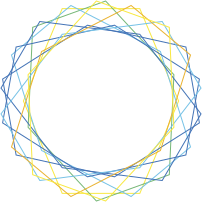

This studio explores the interaction between the physical architectural structure and the ephemeral experience of dance performance, as well as the movement of the audience through static space.
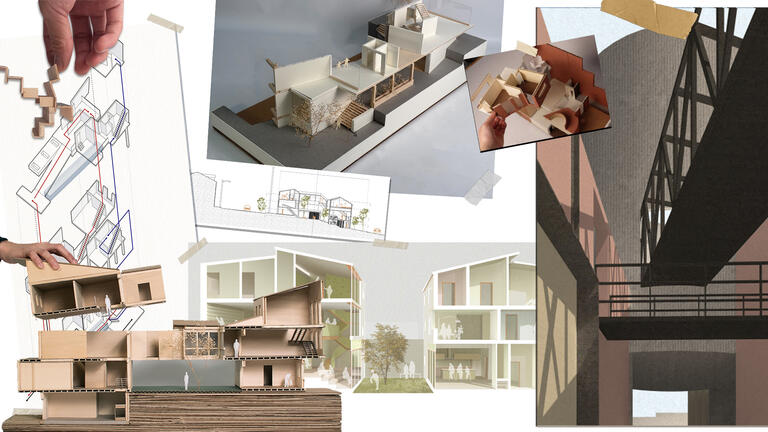
Poiesis II experiments by Allen Chen, Alobi Huang, Will Ivansco, Jioh Kim, Adeline Kwan, Estee Teo, Max Whalley and Lukas Yao.
This studio explores the interaction between the physical architectural structure and the ephemeral experience of dance performance, as well as the movement of the audience through static space.

This studio delves into the rich lineage and histories of the "infrastructural imagination" within the discipline of architecture to speculate on new infrastructures in the climate emergency.
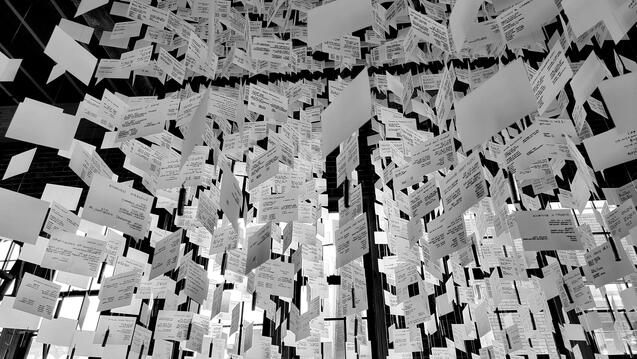
Emphasizing critical engagement with perception, history and representation, students challenge assumptions, explore contextual meaning, and cultivate an ethical design process.

This course covers the conceptual foundations and practical applications of whole-building energy simulation for high-performance building design.

This course covers important geographic information system (GIS) concepts. Software tutorials and technical sessions cover leading GIS software from Esri Inc., including ArcGIS Pro, ArcGIS Online, ArcGIS Map Viewer, ArcGIS Story Maps and Dashboards.
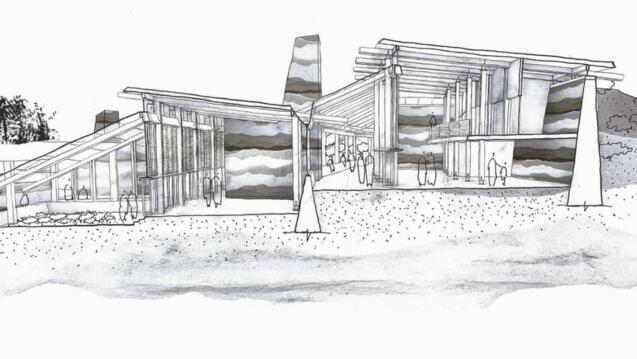
This studio introduces architecture as a broad framework for remaking the world within its political, social, and ecological context through infrastructural intervention and community building.

This course introduces students to contemporary methods of construction and draws attention to the materialization of architectural intent.
This seminar confronts the ethical imperatives of architectural practice amid intersecting crises, climate collapse, technological acceleration, and structural injustice.

This course examines design fields — architecture, industrial, graphics, etc. — to understand design leadership models that fuel future-forward speculation.