

This seminar investigates architectural design and prototyping grounded in local material conditions, circularity, and making, amid resource depletion and labor shortage.

"OMNIconomy" by Shreeja Harisrikanth, Henry Youngren, Tristan Hineman, Sarah Meronek, and Allen Chen, from "Monopolis for the Masses," fall 2025.
This seminar investigates architectural design and prototyping grounded in local material conditions, circularity, and making, amid resource depletion and labor shortage.

Do we design tools to serve human purposes, or adapt our purposes to the tools at hand? Generative tools that let users state outcomes rather than steps give new force to this long-standing question in interaction design. This studio course pursues this through milestones in the field's history.

In this course, students work to design the 2027 "x-change" exhibition, review the publication submissions, and develop publishing and production infrastructure for the school's imprint.

This course focuses on the architectural and urban history of Mexico City in the 20th century.
Fulfills minor requirements for: Architectural History

This course guides students through the process of designing in Revit from the schematic, conceptual design phase, to the construction document phase.

This course is designed for students interested in joining the build team for the 2027 CMU Spring Carnival Pavilion.
This course is designed for students interested in joining the management team for the 2027 CMU Spring Carnival Pavilion.

This graduate course examines building performance simulation as a tool for architectural design and environmental research.
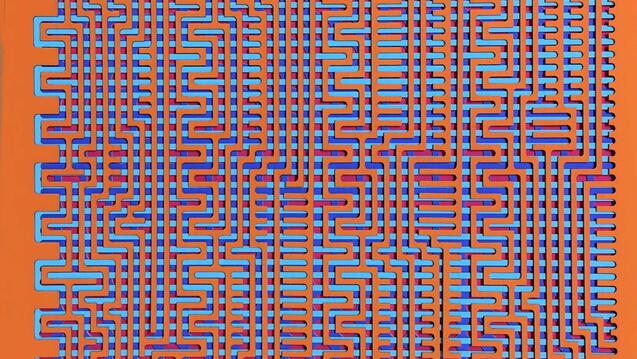
This course studies the relationships and perception of space and form through two- and three-dimensional optical experiments using color per Joseph Albers' definition of color theory as a hands-on experimental process of creating relationships through perception.
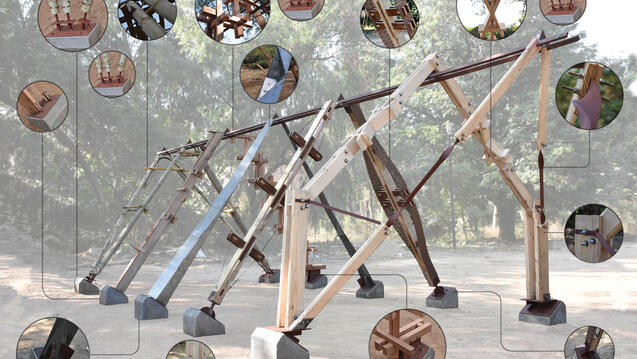
This core course interrogates the act of making, the logics of material behavior, and the evolving landscape of contemporary fabrication methodologies.

This interdisciplinary course investigates and explores embodied practices through the visual-perceptual, rule-based approach of shape grammars.