
This course focuses on how students learn, develop, and make decisions as they transition into architecture education.

Mobile Home Interior, Henry Youngren (B.Arch '26), from "Mobile Home" studio with Jared Abraham at CMU Architecture.
This course focuses on how students learn, develop, and make decisions as they transition into architecture education.
This studio introduces design as a speculative and conceptual process through projects that prioritize experimentation and discovery, observation and analysis, and critical thinking and iteration.

This course introduces basic material assembly methods and the use of shop machinery, preparing students to participate in a wide range of subsequent building and fabrication projects.
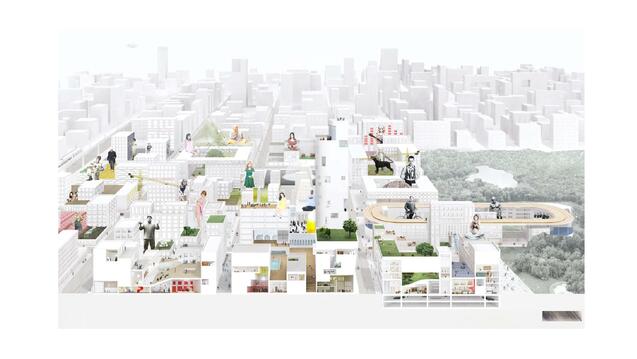
This seminar confronts the ethical imperatives of architectural practice within the intersecting crises of climate collapse, technological acceleration, and systemic injustice, reconceiving design not as a neutral exercise in problem-solving, but as a deeply political and philosophical act.

This is the first in a two-course sequence that introduces students to cultures of digital drawing and image production.
Fulfills minor requirements for: Architectural Representation and Visualization, Architecture (non-majors)
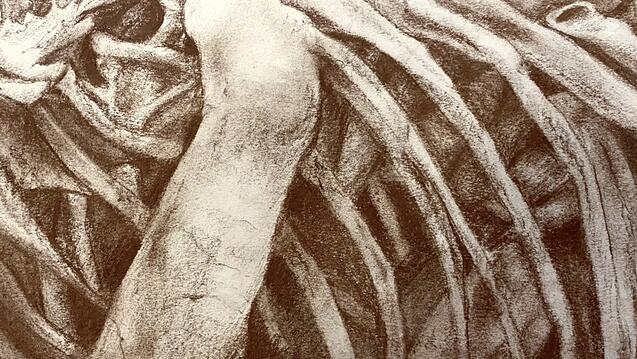
This is an introductory course in free-hand architectural drawing. Its central learning objective is building a capacity for visualizing three-dimensional space through freehand drawing.

This course introduces fundamental concepts of building physics. The knowledge and skills obtained from this course can be applied to studio projects and beyond, improving building design and performance through standard methods of evaluation and simulation tools.
Fulfills minor requirements for: Architectural Technology (non-majors)
This studio introduces tectonics as a catalyst for architectural form, advancing the spatial literacy of the first year toward a rigorous material logic.
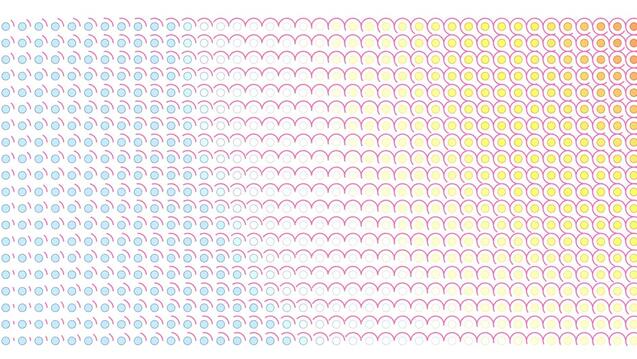
This course introduces students to the fundamentals of generative modeling using computer aided design as practiced in the field of architecture.

This course introduces and examines the fundamentals between design intent and construction materials, and the science of materials (performance), their assemblies, and the regulatory contexts of building code, zoning and accessibility.
Fulfills minor requirements for: Architectural Technology (non-majors)
This studio expands architectural inquiry to the building as a node within constructed environments and ecological systems.
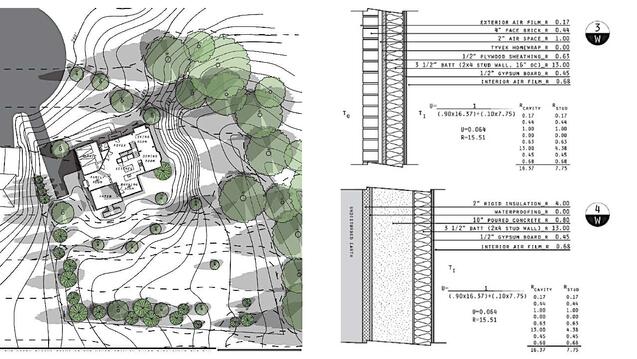
This course introduces architectural design responses for energy conservation and natural conditioning, human comfort, and the site-specific dynamics of climate.
Fulfills minor requirements for: Architectural Technology (non-majors)